
Rob Reiner Was One of the Greats
The late director sits alongside the best cinema and America has to offer.

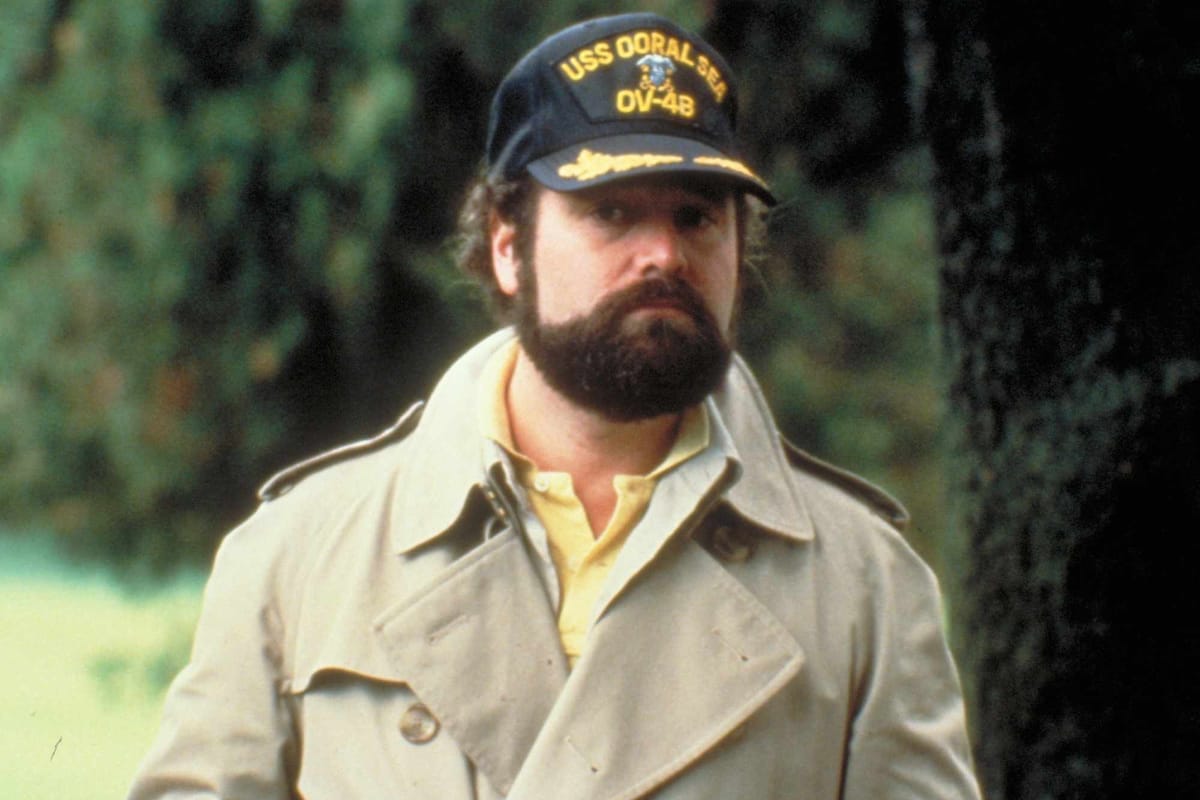
For all the snide talk of “nepo babies” today, no serious person would think that Rob Reiner’s success was unearned. Despite being the son of the comic legend Carl Reiner, Rob blazed a unique path, not simply replicating his father’s success in comedy and direction but being part of the ensemble of one of the best TV shows of all time before going on a filmmaking run that continues to tower over our understanding of what movies can be. This may sound a little grandiose, but when you unpack Reiner’s legacy, you can see that his work deserves to stand alongside so many revered auteurs.
Consider his debut feature, This Is Spinal Tap. There have been numerous mockumentaries since the 1984 comedy, and TV, in particular, took that idea and created beloved sitcoms out of the single-camera format. But Reiner understood all the comic coloring of such a movie, taking the depth of classics like The Last Waltz and then turning them to their funniest possible outcomes as he follows Spinal Tap through their various humiliations. It’s not only that This Is Spinal Tap understands the underlying vanity of rock musicians and skewers it at every turn, but that Reiner understood the texture of the rock documentary and its weird touches like the director who’s too nerdy to be in the rock scene or simply the odd quirks that tend to color the genre (“mime is money”). The fact that so many musicians continue to connect with the movie speaks to its honesty and how it depicts the absurd collision of fame and artistry.
That devotion to truth and finding what’s honest rather than what’s necessarily flashy gave Reiner’s incredible run of movies their spark. Stand by Me never shies away from the horrors of growing up, but also avoids exploiting the emotional vulnerability of its young actors. The Princess Bride isn’t merely quotable, but a unique blend of fantasy and modernity that many have tried to emulate, yet few have succeeded in its dazzling marriage of earnest adventure and sly comedy (not to mention arguably the greatest swordfight in film history). When Harry Met Sally… towers over the romantic-comedy genre, as quippy and heartfelt as the genre’s grandfather, Frank Capra’s It Happened One Night. Misery remains Reiner’s most prescient and disturbing work of fan entitlement and the mix of reverence and revulsion that becomes manifest in Kathy Bates’ iconic performance. And to return to Capra, few directors have managed to walk the fine line between celebrating America and understanding its weaknesses better than what Reiner accomplished with A Few Good Men and The American President.
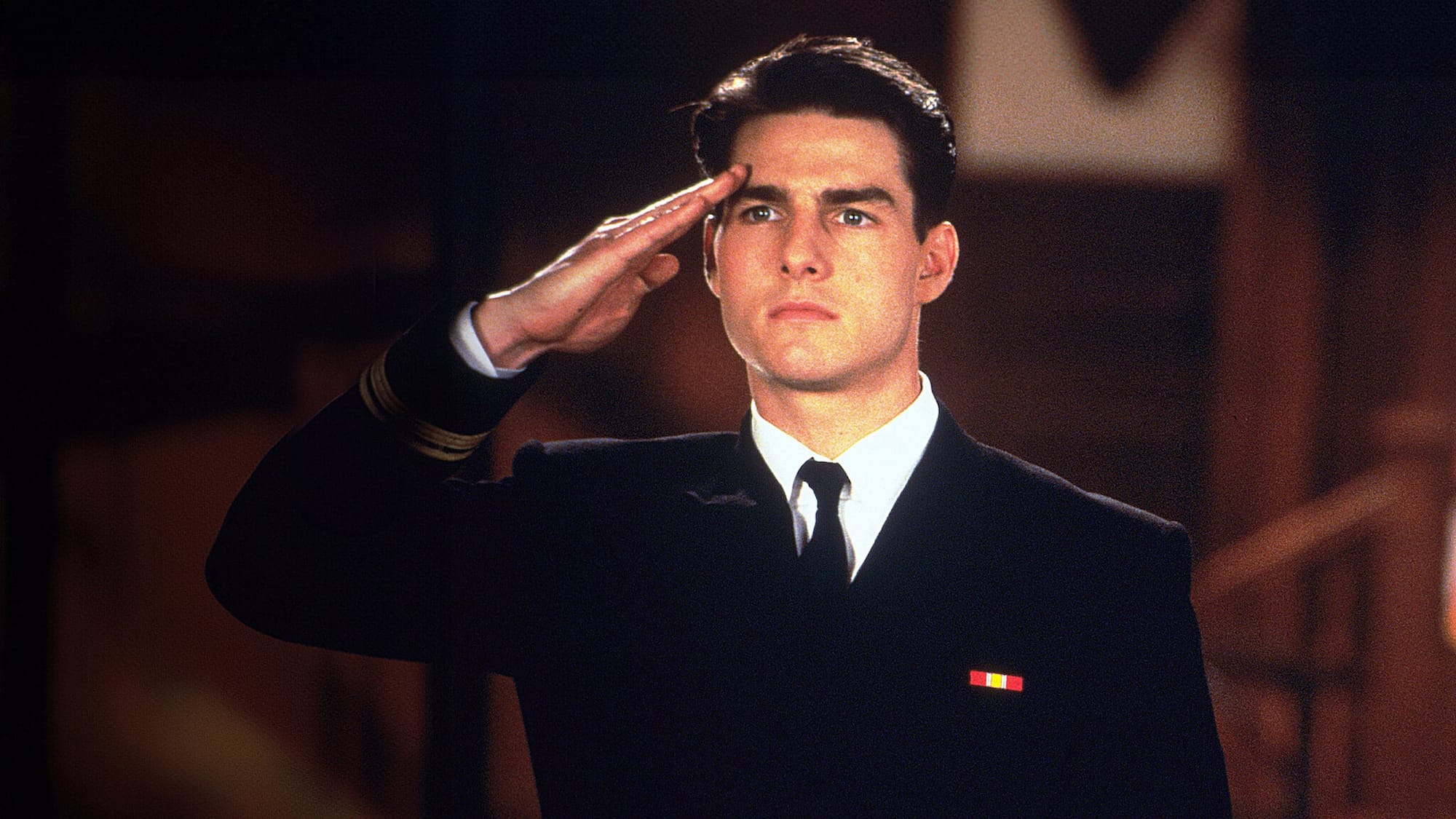
I could write about each of these movies at length, and some of them are my all-time favorites (This Is Spinal Tap, The Princess Bride, When Harry Met Sally…, A Few Good Men, and The American President are films I can watch any time, or if I’m channel surfing, where I’ll stop if they’re on). And yet, of these movies, only A Few Good Men was nominated for Best Picture, and Reiner himself was never nominated for Best Director (A Few Good Men having famously directed itself). How to unpack such a legendary run without the accompanying widespread acclaim? It can’t simply be that he made crowd-pleasers since his contemporary, Steven Spielberg, also made those movies, and was nominated for Best Director for Close Encounters of the Third Kind, Raiders of the Lost Ark, and E.T. the Extra-Terrestrial. It can’t be that Reiner was unpopular with his peers, as people flocked to work with him as an actor and a director. When some Hollywood legends pass, we have to untangle their personal behavior from their art. The outpouring of stories about Reiner celebrates him as a mensch.
I believe there are several factors at play in not acknowledging Reiner’s astounding talent. The foremost is the stodginess of the Academy, especially in the 80s and 90s. Consider that actors who stepped behind the camera needed to do a “serious drama,” one that rejected the kind of breezy appeal on which they had built their careers. Instead, Reiner embraced two genres that the Academy still struggles to accept: comedy and horror. People still refuse to accept that comedy is perhaps the hardest genre to pull off because they think there’s more pathos in making someone cry than in making them laugh. And yet Reiner had no trouble intertwining emotional beats with comedy, and if anything, made it appear effortless.
He didn’t rely on fancy cinematography, and yet his adeptness with editing and tone was sublime. Consider the shocking attack that opens A Few Good Men, followed by its opening credits over an exhibition drill, an impressive yet slightly disquieting display of ruthless marine efficiency that foreshadows the film’s conflict. It snaps you to full attention before you’ve even seen any of the movie’s big stars. Moreover, Reiner committed the sin of doing what audiences and voters can’t see, as well as sweeping visual poetry: he knew how to work with actors. His movies are filled with stunning performances from actors of all backgrounds and varying levels of fame, and there’s never a weak link in his finest movies. So many actors get a chance to shine rather than handing the picture over to a few stars.
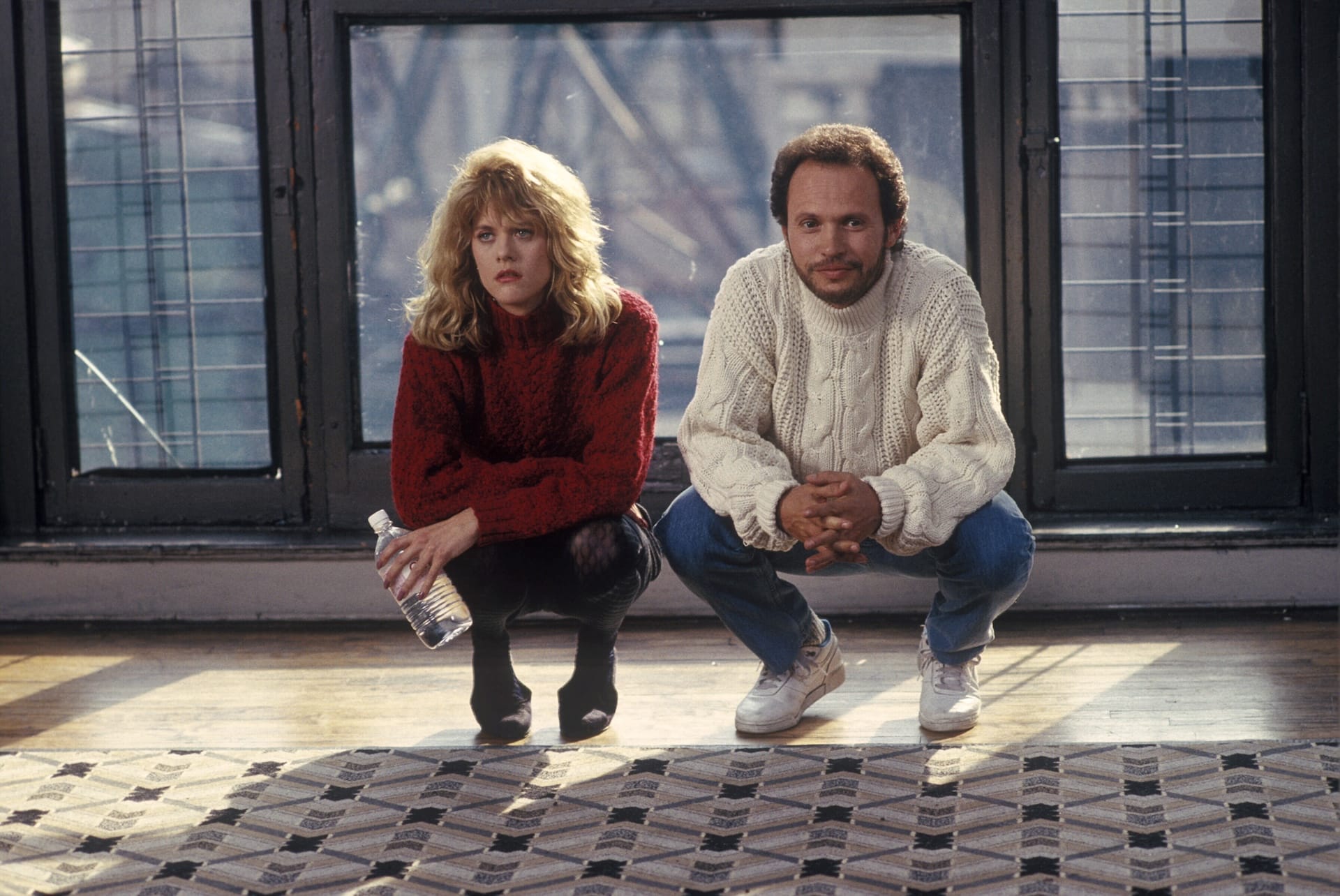
When we talk about cinema’s great auteurs, we usually demand something difficult without realizing that such “difficulty” can usually just be a synonym for “arty,” and “arty” simply means a set of themes or visuals that exist outside the spectrum of mainstream appeal. Rob Reiner, with his pleasant personality and endearing movies, would never make anyone bristle, and therefore, his movies were not as “artistic” as his peers. But such a metric misses the skill and deftness to make classic after classic. And if your argument is that his work dropped off in his later years, the same could be said of many revered auteurs. The truth is that, as my friend and fellow critic Eric Vespe pointed out, Reiner made movies that other movies are measured by. This Is Spinal Tap sets the bar for mockumentaries. When Harry Met Sally… sets the bar for modern rom-coms. Misery and Stand by Me are top-tier Stephen King adaptations. There’s still nothing quite like The Princess Bride.
These movies are all before you get to Reiner’s activism, showing that the ideals he espoused in movies like A Few Good Men and The American President weren’t empty jingoism, but expressed both his understanding and idealism in his country. He is what we want from a powerful American citizen—someone who uses his influence and money for the betterment of his fellow Americans. Reiner helped marshal the opposition in defeating Proposition 8, the California bill outlawing gay marriage. He and his wife, Michele, started the “I Am Your Child” campaign to support early childhood development. The son of a famous and successful father, Rob Reiner could have spent his life coasting, but instead, he spent his time on Earth making great art and trying to improve the lives of others.
For Rob and Michele Reiner to meet such a horrific end—stabbed to death in their home—renders me speechless and despondent. It all speaks to the fundamental unfairness of existence that people who spent their lives bringing joy and hope to others should suffer such a cruel fate. When I saw the news last night, it was like the wind had been knocked out of me. I can only imagine the pain those closest to the Reiners must be feeling right now, and how the Hollywood community, which had been Reiner’s home for almost his whole life, is reeling.
I had the privilege of speaking to Reiner earlier this year when This Is Spinal Tap was getting re-released into theaters ahead of the sequel, Spinal Tap II: The End Continues. He was kind, gregarious, and I felt so lucky that before we wrapped up, I could tell him how much I loved his movies, and that A Few Good Men and The American President were frequent replays in our household. In fact, this past Saturday, my wife and I watched A Few Good Men yet again, quoting along and admiring how Reiner took Aaron Sorkin’s stage play and made it feel so cinematic that you forget there was a stage play at all. Reiner wasn’t some breezy journeyman, but someone who deeply cared about the movies he was making, and the fact that a courtroom drama like A Few Good Men has the same level of craft and timing as bumbling musicians on a disastrous U.S. tour speaks to one of the best directors we’ve ever seen.
Rob and Michele Reiner’s memory will be a blessing. Rob Reiner’s movies are a gift audiences will enjoy as long as there are movies.