
There Is No Xbox
Microsoft is nixing a successful brand and community to chase profits it will never acquire.

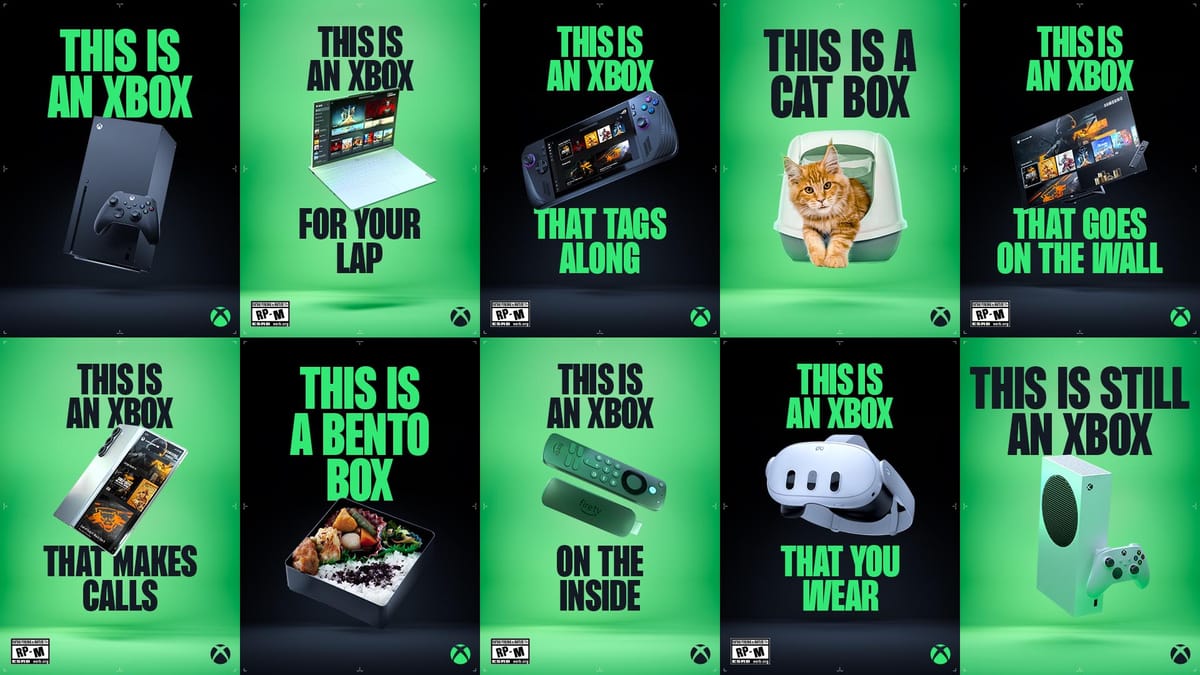
Having been an Xbox owner since the original console of the early aughts, it’s been remarkable to watch Microsoft carve out a successful place in the gaming industry only to blow it up because they think a completely different business model will lead to bigger profits. It’s the logic of spreadsheets and competitors rather than understanding what consumers want from your product.
The big pivot for Microsoft right now is to move away from the standard console market and try to make the Xbox brand synonymous with PC gaming. We saw this a little under a year ago with the “This Is an Xbox” campaign. The idea was that the Xbox would no longer just be consoles (the confusingly named Xbox Series X and Xbox Series S), but that Xbox games would be played on computers, phones, streaming devices, and more. Although major competitor Sony allows its games to be played on PCs, Microsoft believed that advances in cloud gaming (where the game streams over a wi-fi connection) would allow them to diversify from consoles (which are traditionally loss leaders for the sales of games) and serve as more of a storefront, developing games in house, but expanding their reach beyond those who only own Xboxes.
This was a daring gambit because console owners tend to be loyal to that ecosystem. They get an Xbox because their friends have Xboxes, and then they play Xbox games together. For the company, there are tradeoffs at work because they have a devoted following, but then it can be a challenge to grow their piece of the pie. Traditionally, the console wars were about who had the best games. If you love Halo, you need to buy an Xbox. If you love God of War, you need to buy a PlayStation. If you love Mario, you need to buy a Nintendo. If you can crank out the best games with the best features at the best price, then you can make a nice little return that’s also dependable because you worked to develop a fanbase.
But for Microsoft, this wasn’t good enough, and now they’re blowing up a successful business to chase after a market they won’t win. A recent report from Bloomberg’s gaming journalist Jason Schreier says that Microsoft wants to see 30% profit margins out of its Xbox division, even though the typical margins in a good year would tend to top out at 12%. This led Microsoft to lay off thousands of employees, cancel games, hike the price of the Xbox console, and move its exclusive games to other consoles.
Where did this 30% number even come from (aside from pure greed)? Well, pop over to Valve’s PC gaming competitor, Steam, and you’ll note that Steam takes 30% of every sale. Consider that Valve doesn’t make hardware nor does it really make software anymore, but it exists quite comfortably as a storefront for almost every PC game. Steam raked in a whopping $10.8 billion in revenue in 2024. Xbox has about $8.67 billion. This is despite Xbox trying to pull in users for their Game Pass service (think Netflix for games) and the rising costs of making and selling consoles in the face of Trump’s tariffs. For Microsoft, it feels like the safer and more lucrative bet is to stop being so reliant on console sales and exclusive games and instead use their market resources to put Microsoft Gaming everywhere.
Microsoft CEO Satya Nadella said as much earlier this week when he spoke with TBPM (via The Gamer). "We want to be a fantastic publisher, similar to the approach of what we did with Office,” he said. “We’re going to be everywhere, on every platform. We want to make sure, whether it’s consoles, whether it’s the PC, whether it’s mobile, whether it’s cloud gaming, or the TV, so we just want to make sure the games are being enjoyed by gamers everywhere.”
This is a rough analogy because Microsoft Office is a brand that’s much older than Xbox, still doesn’t work great, but everyone feels compelled to use it because it has such a hold in offices. People use it because it’s what employers put on their computers. That doesn’t work with video games when individuals choose how they want to spend their leisure dollars. Simply putting Xbox games everywhere doesn’t automatically make them it appealing choice.
It also fundamentally misunderstands how people game. I have friends who are PC gamers, and they look at me askance that I might play a first-person shooter on a console when a keyboard and mouse are more accurate. I look at them askance as they figure out which graphics cards, processors, and other system requirements they’ll need every time they want a high-end video game. Neither of us is “wrong,” but I prefer my console gaming because when I start it up, it just works. When I play games on a mobile device, the games are made for a touchscreen. Every time I’ve tried to play something meant for a controller without a controller, I quickly lose interest. It’s not that PC gaming or mobile gaming is bad, but the idea that Gears of War will succeed no matter where you place it misunderstands how it was made and who it was made for.
Furthermore, Microsoft doesn’t get to plow into a marketplace and take it over simply because it’s well-resourced. Just as gamers can prove loyal to consoles, they can also prove loyal to storefronts. Why would someone who has a big library of games from Steam, GOG, or Epic decide they want to start buying from Microsoft, especially if Microsoft has no interest in exclusivity? If I want to buy Halo for my PC, I can just buy it from Steam. Putting Xbox Gaming everywhere is far from a guarantee that people will make Xbox the gaming platform of choice, especially as they jack up the prices on Game Pass and their console. Moreover, if this is how Microsoft treats its loyal users, then there’s not much incentive to invest in a platform that could easily dissolve when executives and investors move to the next shiny object. Finally, resources aren’t everything. Earlier this year, a former VP at Amazon explained all the moves the company made to try and beat Steam, only to still fall short.
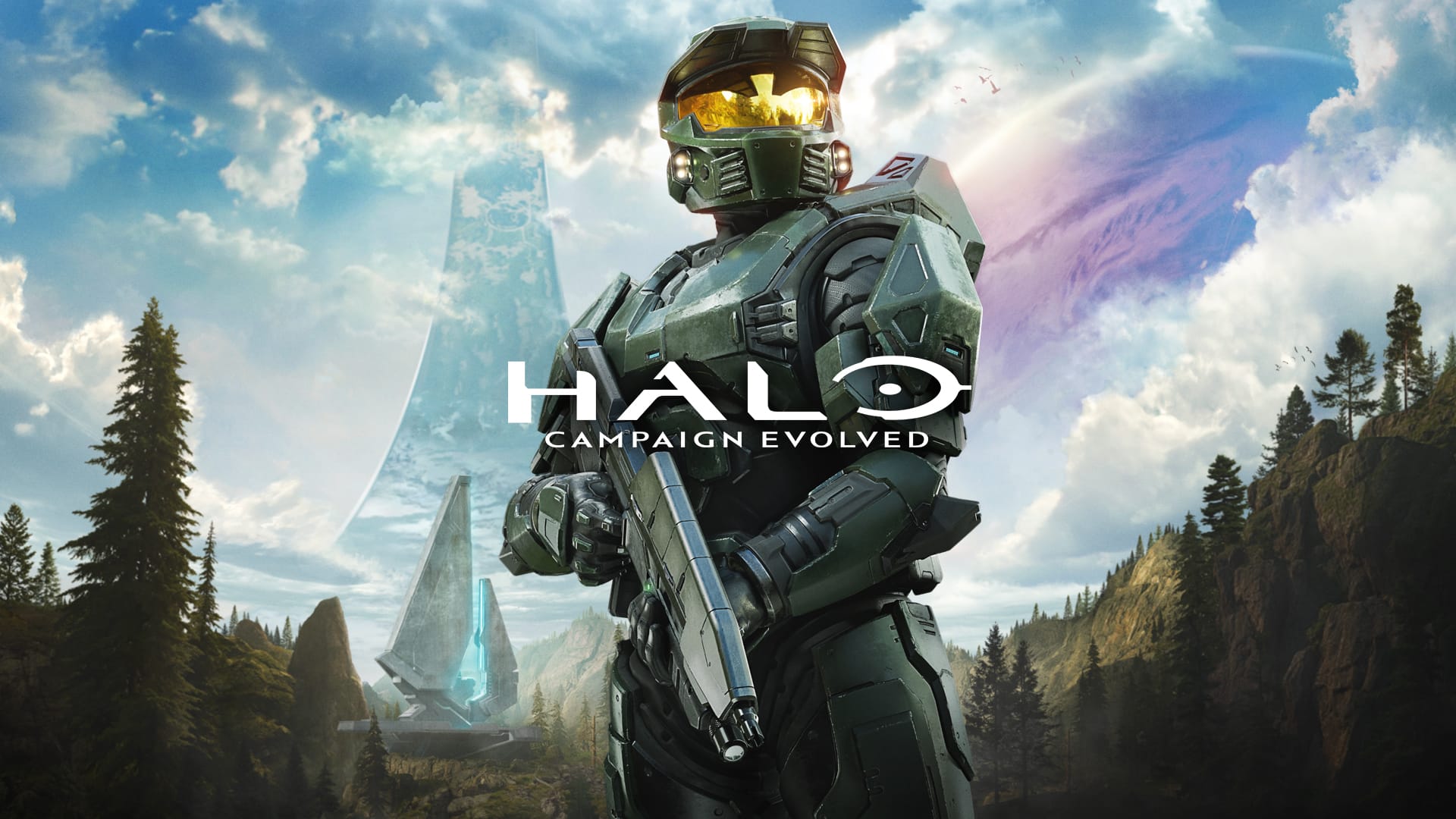
I sympathize that Microsoft has not had an easy go of it over the past few years. They’ve had games flop, and they haven’t moved Xbox consoles as much as they’d like. And trend-chasing isn’t a new phenomenon for gaming giants like Microsoft and Sony. For example, both pursued motion controls after the Nintendo Wii was a massive hit (ignoring that the Wii was a cheaper console and more inviting for the casual gamer). But what Microsoft is doing here is far more extreme, and I don’t see how the Xbox comes back from such a serious disruption. Halo: Combat Evolved was the killer launch title for the original Xbox. Its upcoming remake, Halo: Campaign Evolved, will be on Xbox, PC, and PlayStation 5. Symbolically, putting Halo on a competitor’s platform feels like the final nail in the coffin. Xbox wants to be the most patronized storefront, but all their moves signal they’re giving away the store.