Super Bowl Ads Have Hit Maximum Celebrity
The cost of Big Game ads for major brands is now too expensive to forego a famous face.

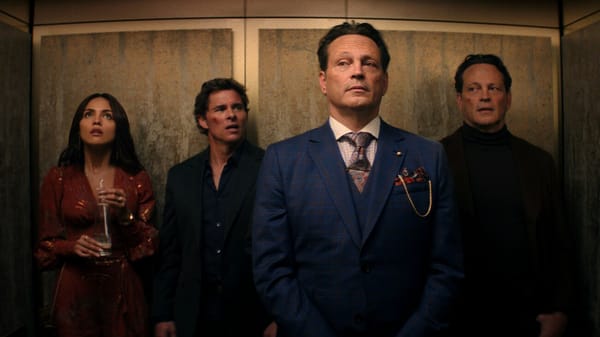
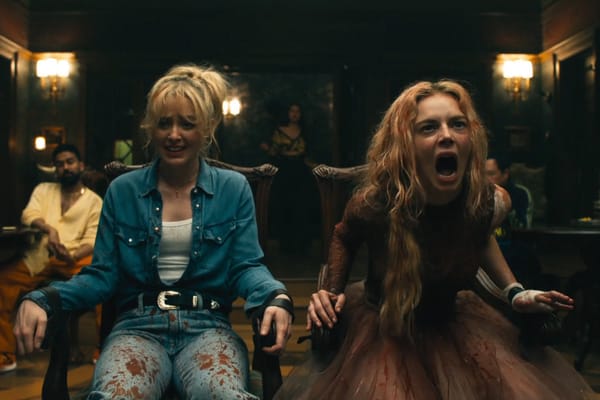
For those who are indifferent towards football, the Super Bowl used to be a time where you could at least hope to see some clever or funny ads, the kind of stuff that would inspire chatter around the water cooler like the Budweiser frogs or Terry Tate: Office Linebacker. However, ads this year and for the past several years tended to blend together because they all featured celebrities. While there were varying levels of fame, almost every major ad had at least one “name” and usually several. Some have recoiled at seeing actors and musicians rush into advertising, noting that performers used to find such work so shameful they would only do it overseas. So what changed? Are celebrities just more shameless now? Is the entertainment industry in such dire straits that George Clooney has to do Grubhub ads?
We need to pull back a bit and look at the economics at play here, as well as the shift in how we perceive celebrities. From a financial perspective, the cost of Super Bowl ad time has exploded. While it’s long been the priciest timeslot in television and a launch point for companies’ ad campaigns, in 1995, the year of the “Frogs” ad, the cost for 30 seconds was a little over $1 million (roughly $2 million adjusted for inflation). Ad time for 30 seconds this year cost $8-10 million depending on the placement. In 1995, the company isn’t going to pay a celebrity a competitive sum for appearing in their ad because the ad itself isn't a monumental expenditure. For the celebrity, if you can command millions of dollars per movie, and movies come out at a healthy clip, then why take the hit with a U.S. ad that diminishes your star power? From both sides, it's not worth the cost.
But now, the ads are too expensive to go without a celebrity. If it’s $8 million before you shoot a single frame, then the brands aren’t going to entrust their Big Game spot to some talking frogs or just a funny concept. The celebrity then becomes a way to mitigate risk, trading on the personality’s popularity to move the product in a relatively uncontroversial way. The ad doesn’t say anything other than “Look, a famous person being amusing,” and that allows the countless executives who need to approve an ad pitch to breathe a little easier. If you can use digital de-aging to throw in a flush of nostalgia like Xfinity’s Jurassic Park ad or the Dunkin ad, then that’s another safety net. The products themselves are unremarkable (donuts sell themselves), but maintaining the brand power now requires celebrities.
For famous people, the ads are now an easy choice. Social media has changed our relationship with celebrities, and we now expect to see them all the time anyway. If they’re not in ads, they’re playing games on junkets, showing up in our Instagram feeds, and remaining fairly ubiquitous. Moreover, it’s a quick, simple paycheck. When companies are spending millions for ad time, they’ll spend more on the ads themselves. I don’t know what Clooney got paid for that Grubhub ad, but it was likely hundreds of thousands of dollars to sit in a chair and be charming. Ultimately, celebrities are being offered tidy sums for what’s likely a few days or maybe a week’s worth of work. It may be mercenary, but that’s also life in the entertainment biz.
I don’t blame the celebrities as much as I blame the advertisers and companies who, in a time when it’s harder than ever to break through for people’s attentions, have largely shrugged and run to the safest creative product possible. The only ad I could really remember last night in a positive light was “Pringles Man,” which would have still been funny without Sabrina Carpenter because it’s a silly concept that accurately conveys the addictive quality of those potato chips. But almost everything else bled together in a way that made the ads feel like a pro forma commitment to having a Super Bowl commercial rather than anything meant to stick in viewer’s minds.
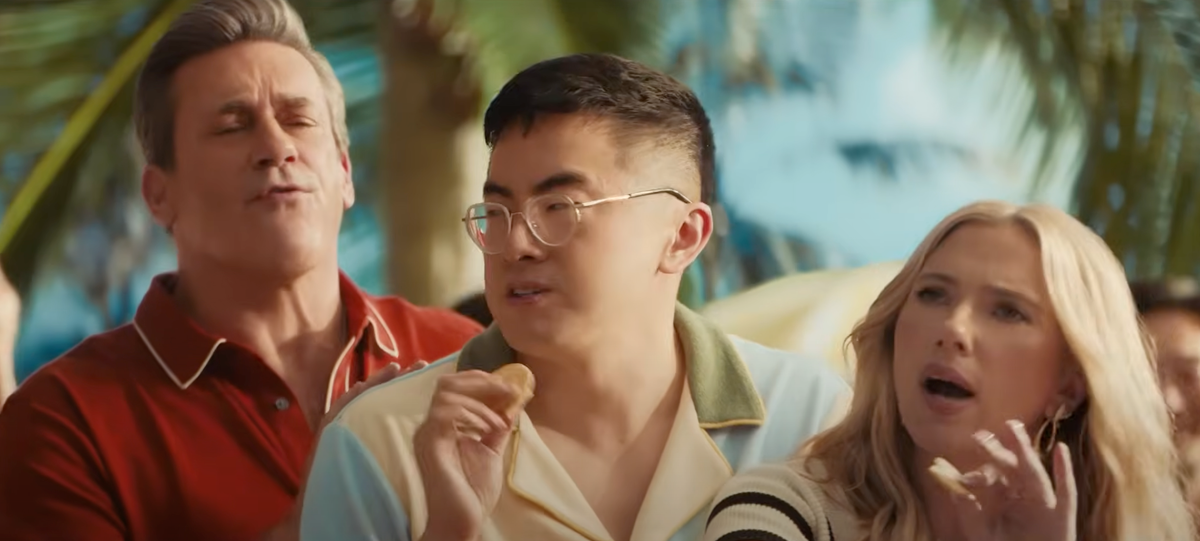
For some, this is a safe, solid strategy, but it also makes me wonder if these ads are particularly effective and worth their high price tag. Will you choose Grubhub over Uber Eats because you like George Clooney more than Matthew McConaughey and Bradley Cooper? Is State Farm a more appealing insurer because Danny McBride and Keegan-Michael Key are funny and charming? Are the positive brand associations here really so powerful because there’s now a likable celebrity at the forefront? But there’s now too much money on the line to do anything else. You can’t trust a bunch of talking frogs. You need to trust Scarlett Johansson, Jon Hamm, and Bowen Yang to sell crackers.