Billions In, Billions Out
Franchises don’t always mitigate risk.
For major Hollywood blockbusters, grossing one billion worldwide has become the industry standard for success. What used to be a box office rarity is now why studios will pour hundreds of millions into a movie. The days of making a handful of mid-budget features for a solid return are no more, and now fewer movies have to carry more of the balance sheet. Moreover, should these movies succeed and hit that $1 billion mark, a studio head has little choice but to greenlight a new installment unless they’re based on historical events (e.g., Titanic, Oppenheimer). While this may seem like wisdom in that expanding the franchise not only carries the IP forward and new installments typically perform on par with the original, we continue to see how franchises can be more of a trap than a boon.
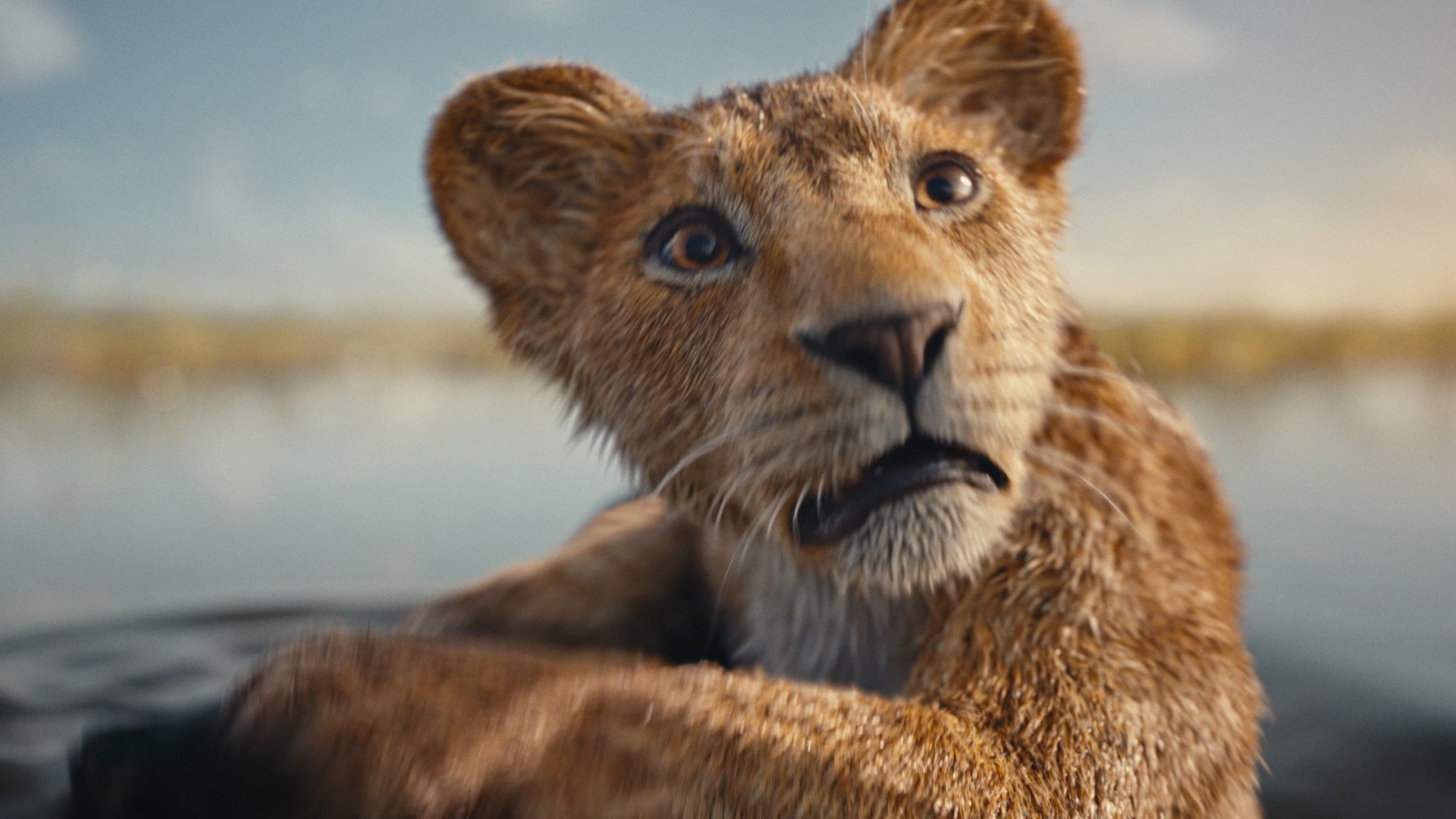
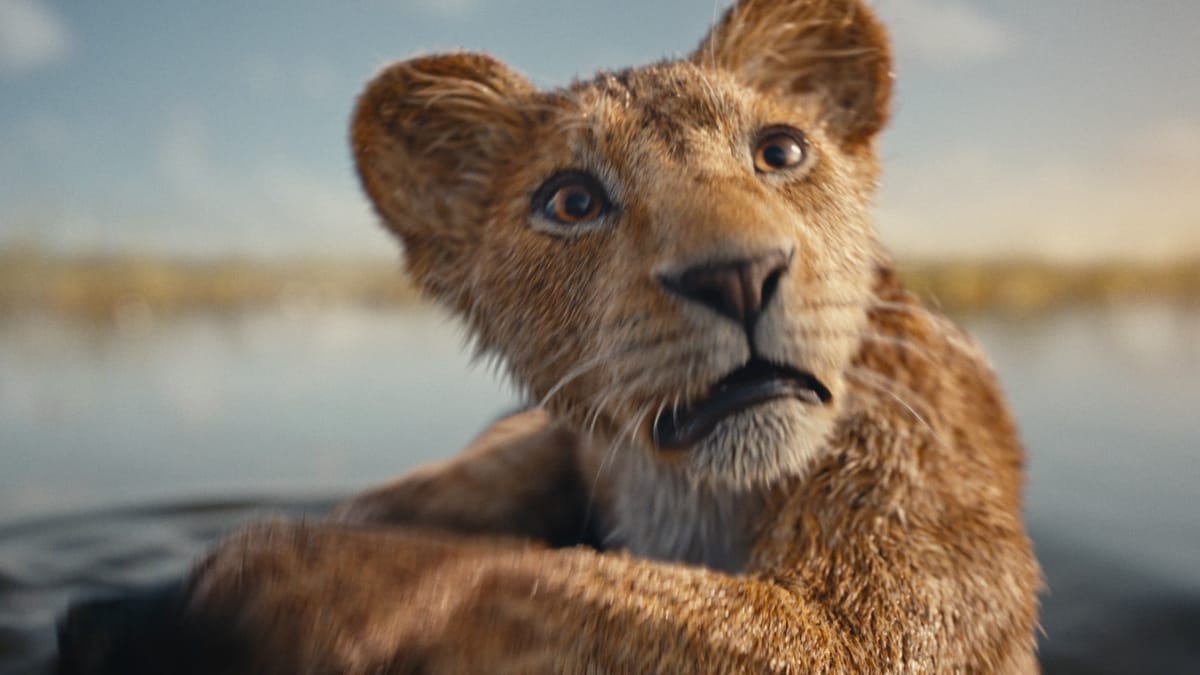
When the 2019 remake of The Lion King grossed $1.6 billion worldwide, Disney didn’t hesitate to try to repeat that success. The studio announced a prequel in September 2020 with Oscar-winner Barry Jenkins (Moonlight) on board to direct a script from Jeff Nathanson (Pirates of the Caribbean: Dead Men Tell No Tales). A little over four years later, we got Mufasa: The Lion King, which opened to second place at $35 million, far behind the weekend’s winner, Sonic the Hedgehog 3. While the success of Sonic would indicate the wisdom of franchises, remember that the Sonic movies cost far less than the photorealistic animation required of The Lion King movies. Furthermore, Sonic had an easy hook—introducing Shadow, a fan-favorite from the games. Mufasa offered a prequel story for a character who was never that interesting and promised to answer questions no one was asking, like “How did Scar get his scar?”