Completing the List: 'Toni Erdmann'
Maren Abe's offbeat 2016 dramedy wonders how much we choose to reveal to those around us.
This is Part 4 in my four-part series on the films I haven’t seen from The New York Times’ recent list of the best films of the 21st century. Click on the respective links for my articles on Yi Yi, The Gleaners and I, and Volver.
We’re all performing to a certain extent. We have one side we show to our family, another side we show to friends, and yet another side we show at work, and so forth. But what we reveal is also a matter of what we conceal. How honest are we ever being with those around us, and when are we keeping our guards up? Those are the questions circling Maren Abe’s 2016 dramedy Toni Erdmann, a story of awkward reconciliation between a father and daughter who have grown apart due to their different personalities and how they start to see those personalities as defense mechanisms against rejection.
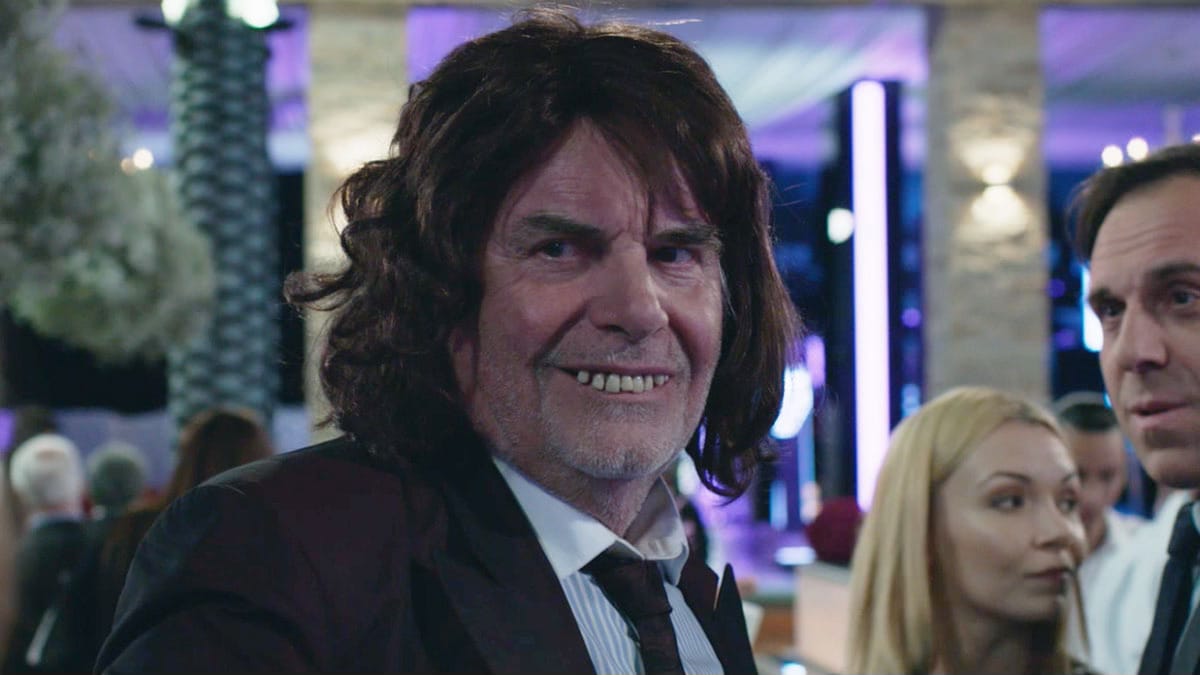
Winfried Conradi (Peter Simonischek) is a divorced music teacher and also a bit of a prankster. He likes putting on giant fake teeth and pretending to be someone else, a lumbering goofball in a world that may see his antics as juvenile or bizarre. His jovial attitude sets him at odds with his daughter, Ines (Sandra Hüller), a tightly wound business consultant who is always on her phone and plugging away at climbing the corporate ladder. When Winfried drops in unannounced in Bucharest, where Ines is working with a Romanian oil company, she bristles at his arrival and tries to keep him out of the way. Treating her father like a stranger, Winfried decides to play the part of an actual stranger. He pops in his fake teeth, puts on a wig, and dons some garish clothing to become “Toni Erdmann,” a consultant and life coach orbiting Ines’ world. Her initial shocks and frustrations give way to the realization that her father may not be the only one playing a character as a way of handling social situations.
While Abe’s film certainly leads with disarming comedy (the opening scene where Winfried pranks a delivery guy got a few chuckles from me), the comic elements are largely in service to the story’s psychological drama about the emotional distance between a father and daughter. It’s easy to see the Americanized version of this story that immediately runs into farce as Ines would have to keep covering for her goofy father stumbling his way into her big, important business stuff, and then everyone embraces his shenanigans. Wackity-shmackity-doo and roll credits.
Toni Erdmann is a much slower burn, with the “Toni Erdmann” character not even entering the story until almost halfway through its 162-minute runtime. Instead, Abe devotes a sizable chunk of the narrative to examining the deep loneliness felt by both Winfried and Ines. Part of what spurs Winfried’s journey to Bucharest is the death of his elderly dog, and Ines’ world is so tightly controlled and regulated that she doesn’t seem to grasp just how isolated she truly is. One particularly gruesome scene has Ines pulling off a smashed toenail, only to have blood spurt on her white blouse before a big presentation. The solution is to then squeeze into her assistant’s even smaller blouse. Ines’s answer to discomfort is more discomfort.