‘Greenland 2: Migration’ Is Another Grim Trek to Safety
The sequel is a fine disaster drama but largely feels like a retread of the first movie.

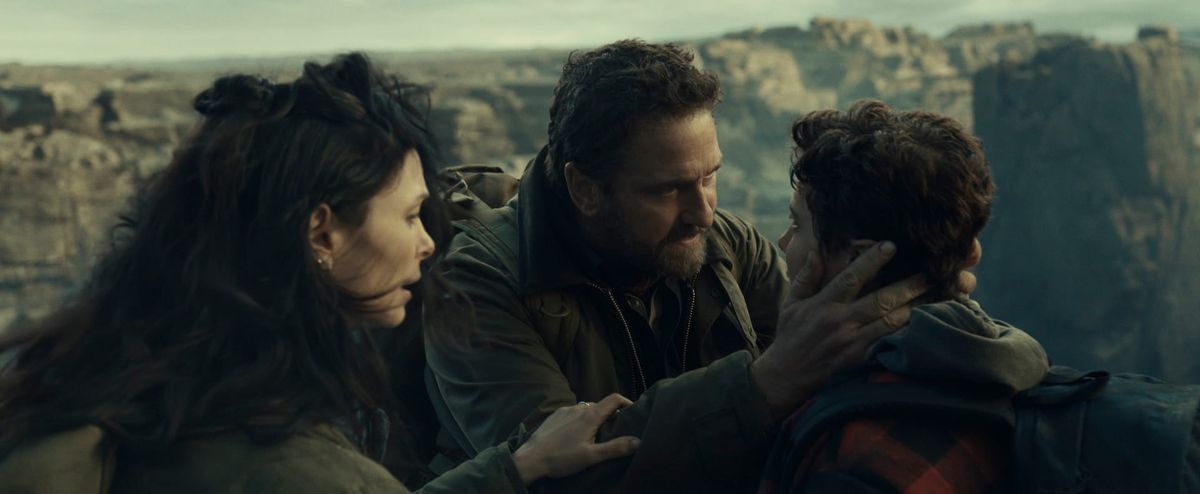
I think I was so bummed out when I saw the first Greenland that I didn’t give it a fair shake. We were nine months into the pandemic, and what I thought would be a silly disaster movie was more of a survival drama, leaning into the hardship of who gets left outside the bunker before a comet strikes the Earth. Understanding that the sequel, Greenland 2: Migration, would have a similar tone, I felt steadier entering the theater and knowing what to expect. As a second helping of survival drama, this time in a post-apocalyptic wasteland, the movie is fine. However, it never reaches the emotional stakes it sets at the film’s opening, leaving the sequel feeling oddly empty as the Garrity family navigates various obstacles on their journey.
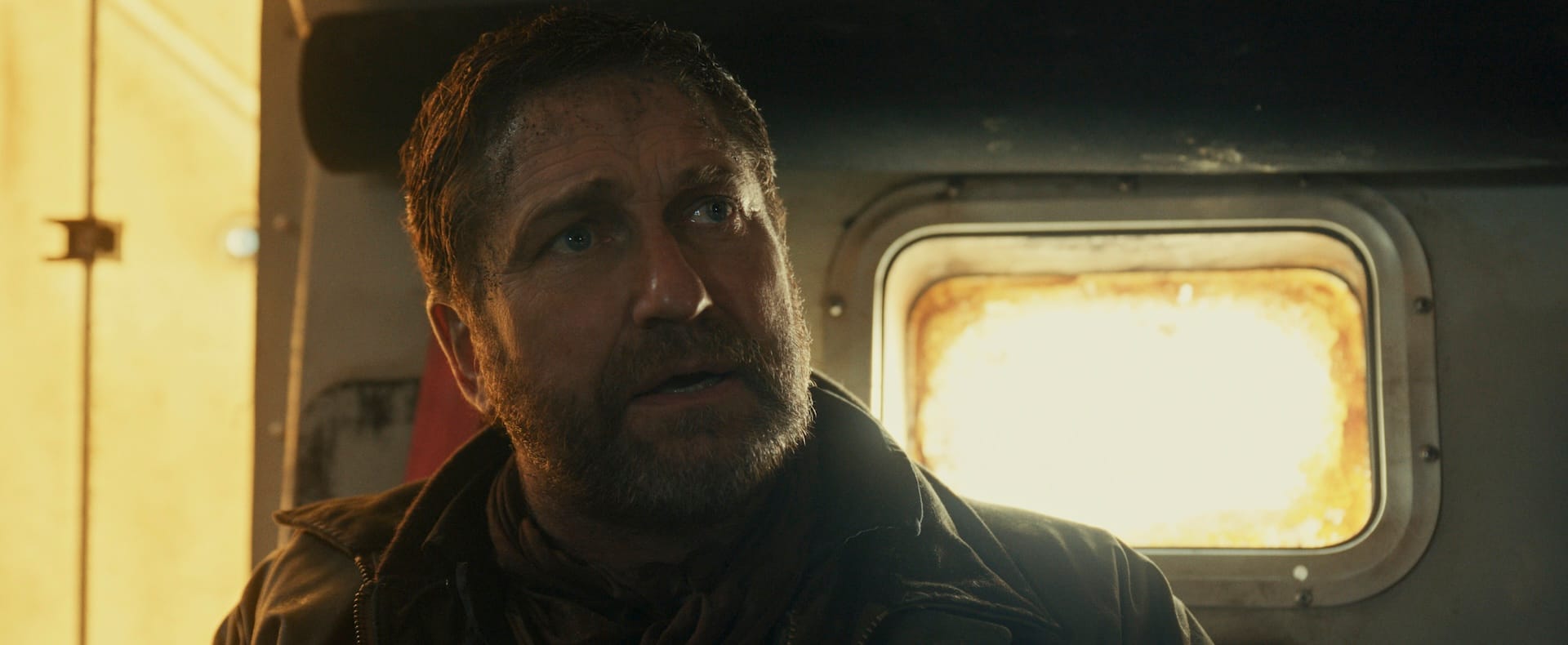
The new movie picks up five years after John (Gerard Butler), his wife Allison (Morena Baccarin), and their son Nathan (Roman Griffin Davis) arrived in the Greenland survival bunker. The bunker was only built to last for two years, but the radiation levels outside make it too dangerous to leave. However, violent tremors force all inhabitants out of the bunker, and the survivors now have no choice but to find a new home. The Garrities and a few other individuals with considerably less plot armor choose to make their way to the impact crater in southern France, where they believe new life may have emerged. However, the treacherous journey involves not only environmental hazards like radiation storms and smaller comets, but roving bands of marauders and governments battling over dwindling resources.
Migration is most interesting before we even leave the bunker. John confesses to his therapist that he’s feeling traumatized, his wife and kid are traumatized, and the entire community is traumatized, but no one acts like it. I felt this was the film’s most poignant and promising moment. If you think about the pandemic, there have been over seven million deaths worldwide, and we tried to carry on as normal rather than mourn or grieve this horrible event. We don’t give ourselves time to be traumatized, so we just carry it with us and try to muddle through. The therapist tells John he should try opening up to his family, and maybe they’ll open up to him.