Marvel Keeps Thinking the Past Will Dictate the Future
Kevin Feige’s latest comments regarding Doctor Doom miss the larger appeal of the previous Marvel movies.

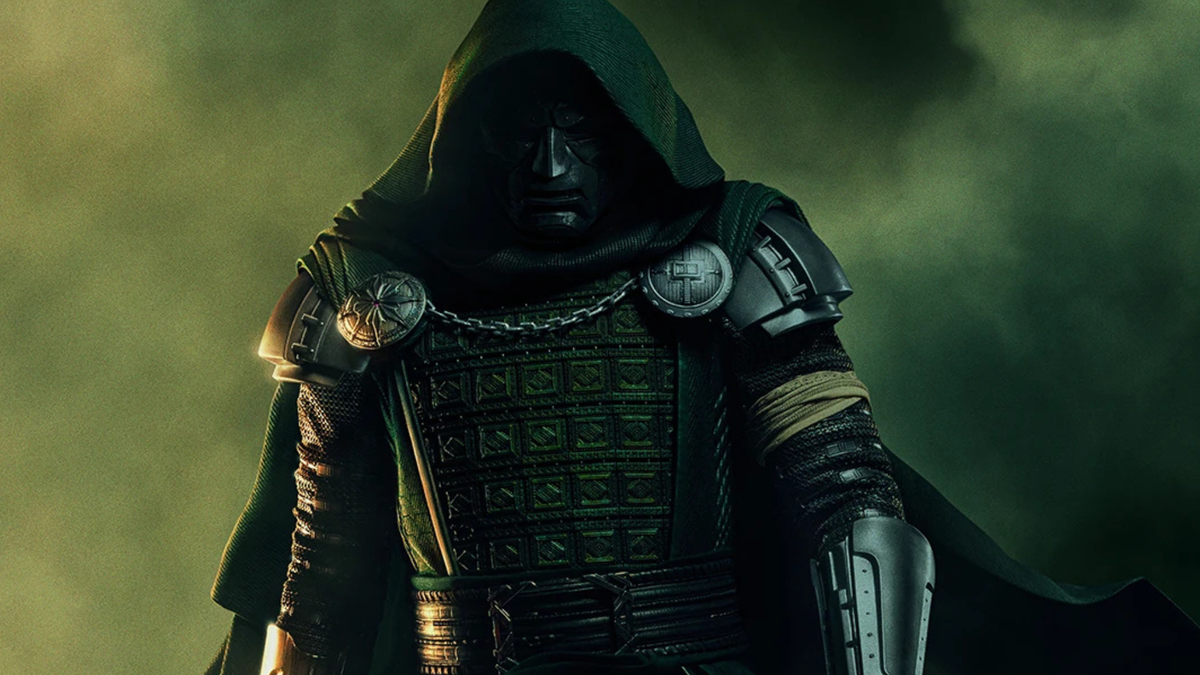
My pal, the talented Mike Ryan, wrote in his newsletter about how Marvel Studios head Kevin Feige noted that audiences were cool on Thanos until they saw him in Avengers: Infinity War, so he’s not worried about the lack of set-up for Doctor Doom in Avengers: Doomsday. Here’s what Feige told Brandon Davis via IGN:
The Thanos buildup has built up in people’s heads over the years,” he said in a carpet interview with Brandon Davis. “He sat on a chair at the end. He put on a gauntlet and said, ‘I’ll do it myself.’ And he yelled at Ronin [sic] on a video screen briefly. I remember the memes making fun of Thanos. ‘He’s just sitting in a chair.’ There was a Twitter feed updating every day, ‘I’m still sitting in my chair.’ It was more clever than that, it was funny.
You should read the whole thing over at Mike’s site (and subscribe! You’re going to get at least one great anecdote per week), but I wanted to push back against Feige’s argument a bit (I never interview Feige, so I don’t get to do this personally).
He’s not wrong that it took until Avengers: Infinity War to flesh out Thanos as a character. We can debate the efficacy of giving him half of a two-part movie to drive the action (I find Infinity War to be both heavily flawed and surprisingly rewatchable), but if this were a sound strategy, then why not repeat it in “The Multiverse Saga”? Marvel clearly wanted to do something different because they planned to build their saga around the villain Kang the Conqueror until actor Jonathan Majors’ career imploded over abuse allegations (he now spends his days getting injured on Daily Wire movies). Audiences didn’t immediately spark to Kang anyway (Majors made an impression as the character in the first season of Loki, but his big debut in Ant-Man and the Wasp: Quantumania was, like the rest of the movie, a dud), so now Marvel’s strategy has been trying to make it 2018 again. They paid a lot of money to Robert Downey Jr. to play Doctor Doom, and a lot of money to Joe and Anthony Russo to get back in the directors’ chairs.
This isn’t that surprising; Marvel is going to what worked before. My issue is that Marvel tends to learn the wrong lessons from past successes. The first Iron Man movie, the one that kicked everything off for Marvel Studios, famously did not have a finished script, and a lot of it came from Downey and director Jon Favreau improving script pages the day before the shoot. It’s not an ideal way to make a movie, but it worked. Since then, the Marvel way has been to shoot a lot of coverage[1], cut the film together, and then solve the movie in post through planned reshoots. It’s very funny being on a Marvel set when they’re filming because so little happens.
I remember being on the set of the first Ant-Man (where they replaced Edgar Wright, who tends to shoot only what he wants and cuts in camera, which takes a lot of power away from producers in the editing room), and the amount of times and angles I saw Michael Douglas say to Martin Donovan, “How’s your face?” (Hank Pym had hit Donovan’s character in the face in an earlier scene) had to be at least thirty. ↩︎
But this is something that only works until it doesn’t. As much as Marvel has tried to place the onus on post-production teams to edit and complete VFX shots up until the last minute, it’s led to movies that aren’t as cohesive as what’s come before. Like a gambler whose hot streak has gone cold, he doesn’t understand why the cards are no longer going his way when he’s still playing the same way. Rather than walk away, he keeps playing, hoping his fortunes will return.
However, I also feel like Feige is missing the appeal of Infinity War, and it wasn’t because they fleshed out their big villain. Don’t get me wrong: Thanos worked. He was a memorable baddie, Josh Brolin did a great job playing him, and the motivation of a guy who’s reluctantly going to wipe out half of all existence made for a compelling antagonist. But audiences showed up because they were invested in the surrounding characters. Feige can talk about how “people built up Thanos,” but what was really built up were the superheroes. Before Infinity War, there had been three Iron Man movies, three Thor movies, three Captain America movies, two Avengers movies, and two Guardians of the Galaxy movies plus a few others like Black Panther, Ant-Man, and Spider-Man who had a solo movie plus a cross-over appearance in Captain America: Civil War. You could afford to spend a lot of time on Thanos because everyone surrounding him was well-established.
That hasn’t happened in The Multiverse Saga. Marvel’s output is so diffuse that it’s tough for even superhero fans to keep up (I pretty much bailed on the TV shows after She-Hulk because they didn’t hold my interest, although I am enjoying Wonder Man at the moment). Does it mean anything if Shang-Chi is fighting Gambit when each character has only been in one movie to this point? Is it a big deal to bring back the X-Men when they’ll almost certainly be killed off? Does The Thing meeting Shuri mean much when we’ve only seen The Thing once and haven’t seen Shuri since 2022’s Black Panther: Wakanda Forever? And does any of this click if audiences have grown weary of secondary and tertiary superheroes?
I’ll be thrilled if Avengers: Doomsday is entertaining. I don’t want to root against studios and moviemakers because I’m the one who has to sit through these press screenings. I don’t want to be miserable for three hours; I want Marvel to succeed even if it means other studios keep chasing superhero films (the genre works for me, but I’m a huge nerd, so your mileage may vary). But Marvel’s key mistake of the 2020s is assuming that they can scale up under the same process with no loss of quality, and that just hasn’t happened. They did massive reshoots on The Marvels and Captain America: Brave New World, and those movies may as well not exist for all the impression they left in the minds of audiences. Marvel just isn’t the cultural juggernaut they were in the 2010’s, and while Feige is right that audiences embraced Thanos, times change. Marvel still doesn’t seem to know how to change with them.
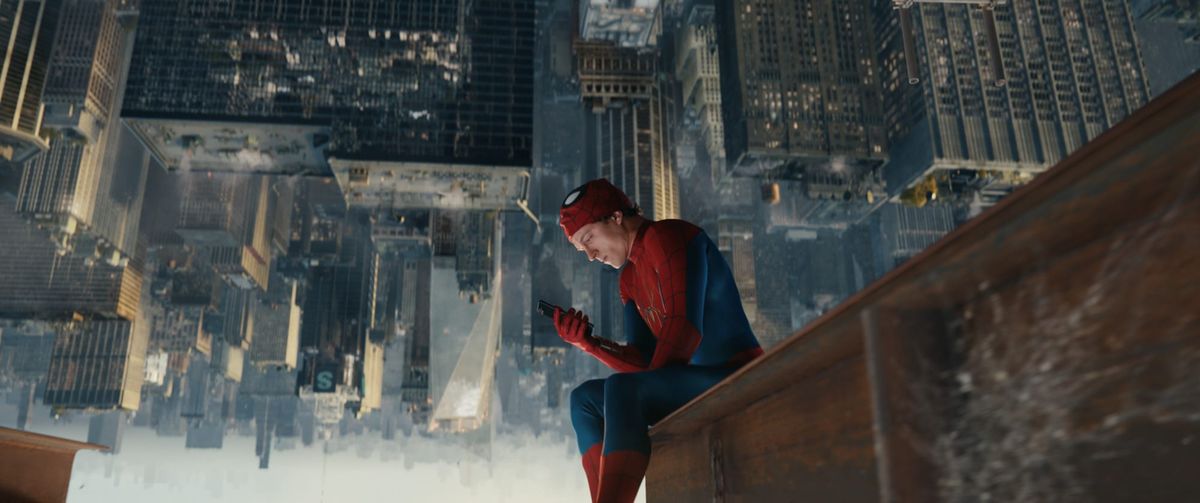
Speaking of Marvel, I reviewed the new Spider-Man movie over on Decoding Everything. For Commentary Track's paid subscribers, I'll have an article tomorrow going into spoilers about that film's villain and my issues with the character.
 Matt Goldberg