Robert Redford Shined Even Brighter Than His Stardom
Some thoughts on the Hollywood legend following his passing at the age of 89.
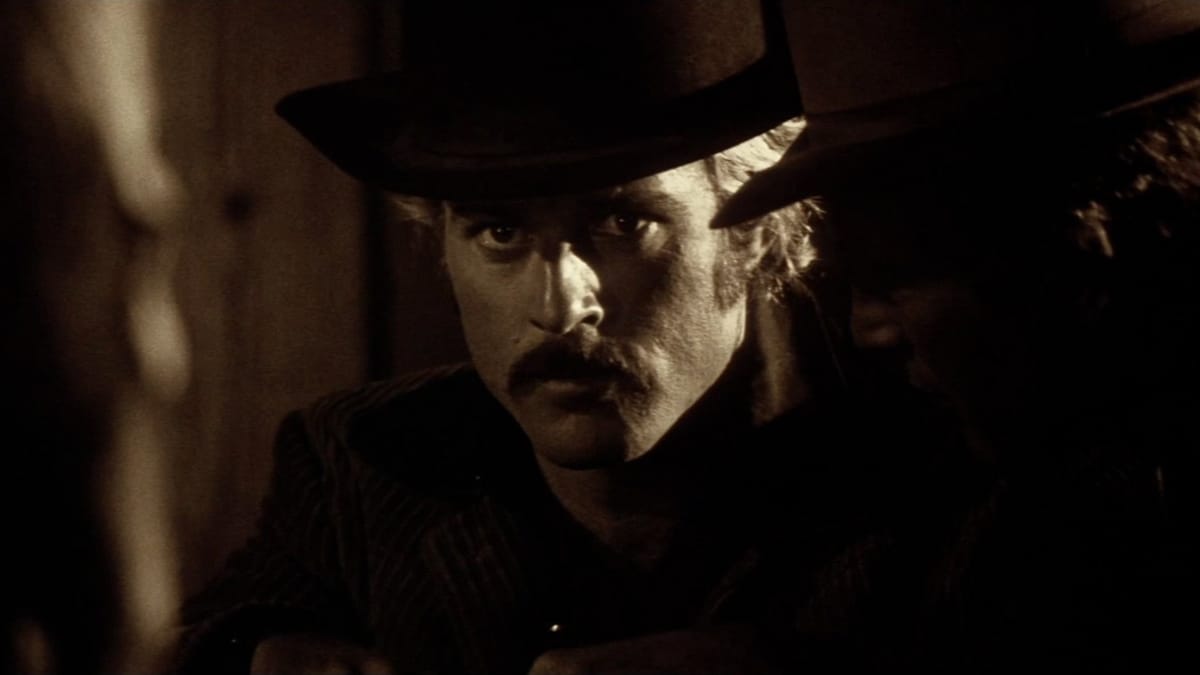
It’s tough to say there’s anything like “Hollywood royalty” since it’s such a game of musical chairs. Even those born into prestigious families may have trouble finding the same level of success as their parents. To simply stick around in the movies and be a name that people know for decades is a monumental achievement, especially when you consider the changes in culture, tastes, attitudes, etc. The biggest star of the ‘70s may have trouble finding purchase in the ‘80s. Finding consistent success and doing it with grace is a rare achievement in the industry. It’s even rarer to create something bigger than your own name.
We will not see another like Robert Redford, who passed away yesterday at the age of 89. Facile readings of his career may try to pin him down to a ‘60s and ‘70s icon, and that’s an understandable temptation. Most actors would kill for that run of movies where the biggest hits like Butch Cassidy and the Sundance Kid, All the President’s Men, and The Sting start to squeeze out other acclaimed works like The Hot Rock and Downhill Racer. Then he got behind the camera, winning Best Picture and Best Director for his debut feature, Ordinary People, a film that still holds up wonderfully today. He starred in the Best Picture-winning Out of Africa in the ‘80s, one of my all-time personal faves, Sneakers, in the ‘90s, helmed the terrific Quiz Show, and continued to not just work steadily but turned out some of the best work of his career in his final features.
The Marvel hit Captain America: The Winter Soldier didn’t just benefit from casting Redford; it required him. The movie needs his cultural and historical cache as an American icon and a fixture of ‘70s conspiracy cinema to even echo a classic film like Three Days of the Condor. He was unafraid to use his physicality and quiet expressions to hold the screen as its lone figure in the survival drama All Is Lost. His swan song performance in The Old Man and the Gun literally uses one of his old movies (The Chase) to tell the story of a master escape artist and criminal. It wasn’t just that Redford had built a monumental legacy, but that he was sharp enough to see it used properly in the twilight of his film career.
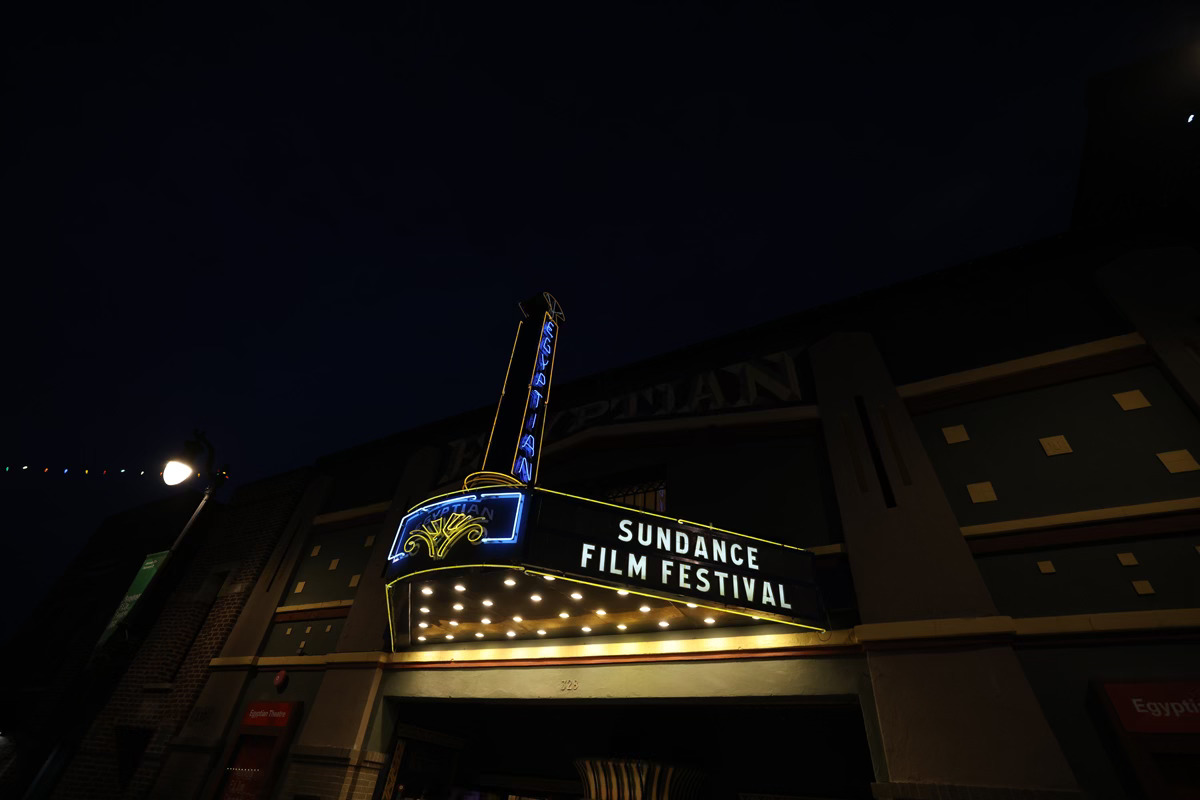
And yet all of this pales next to Sundance. Redford founded the Sundance Institute in 1981 to support and develop independent filmmakers. Consider that: a man who had experienced the upper echelons of Hollywood and blockbuster success saw the changing landscape with corporations coming in to take hold of the studios, and pursued the challenge of making sure people outside that system had a way to tell smaller, lower-budget stories. While that’s not to overshadow the countless people who worked tirelessly to build Sundance into what it is today, you can’t discount the backing of one of Hollywood’s biggest stars for a long-running independent project. While plenty of actors have signed onto individual indie movies to help them get made, Redford helped to construct an entire system that would help shepherd films from their inception to a finished feature to distribution.
American cinema, as we’ve understood it for over thirty years, would be unrecognizable without Sundance. Here’s just a brief list of filmmakers whose early movies played at the Sundance Film Festival: Steven Soderbergh, Dee Rees, Paul Thomas Anderson, Chloé Zhao, Rian Johnson, Ava DuVernay, Damien Chazelle, Ryan Coogler, Quentin Tarantino, Joel and Ethan Coen, Christopher Nolan, Richard Linklater, Nicole Holofcener, Darren Aronofsky, James Wan, Paul Greengrass, Todd Haynes, Todd Field, Wes Anderson, and the list goes on. And this is just the festival. Sundance was much bigger than its 10-day event in Park City, Utah. As an institution, it was invaluable in finding and nurturing the next generation of filmmakers as well as uplifting voices that had trouble finding room in the homogenized output of Hollywood.
So many actors, especially handsome icons, struggle to see anything beyond the bounds of their own film careers. That’s understandable. You feel like you’re only a flop or two away from losing everything you’ve gained, and so much of the process is already out of your control. You can give an amazing performance in a movie, but it could get sliced up in the editing room or perhaps the marketing botches the rollout. You can invest in your career insofar as trying to find interesting roles and hoping for the best, but you’re ultimately constrained by exterior limitations. Like Redford, you can step into other roles like director and producer, but you’re still waging battle one movie at a time.
Robert Redford is one of the few actors who could boast that he literally changed the game. From the ‘90s onwards, Hollywood had to take notice of his little festival held in a ski town where movies would screen not in grand auditoriums but in the local library and high school. Executives had to trudge through snow and huddle by heat lamps to get a glimpse of a film that could send shockwaves through the industry and make its stars and director the highly sought-after talent of tomorrow. To not only create that destination but also successfully foster it alongside his film career, as well as his activism for LGBTQ rights and environmentalism, is astounding.
When we mourn the passing of Redford, it won’t be just the loss of one of Hollywood’s finest actors and the face of numerous classics. We mourn a man who changed Hollywood for the better by providing a platform for voices far beyond his own. He didn’t do this to slap a producer credit on a bunch of low-budget features or even for personal glory. For today’s younger audiences, it’s possible they don’t know that “Sundance” is a reference to one of Redford’s best roles. But as the torch is passed from filmmaker to filmmaker, he worked to light the initial fire that changed cinema and thus changed the way we understand the world. Every film fan owes him a debt of gratitude.