'The Conjuring: Last Rites': One More Round of Faith, Family, and Literal Demons
The horror franchise goes out on the same note it's been playing since 2013.
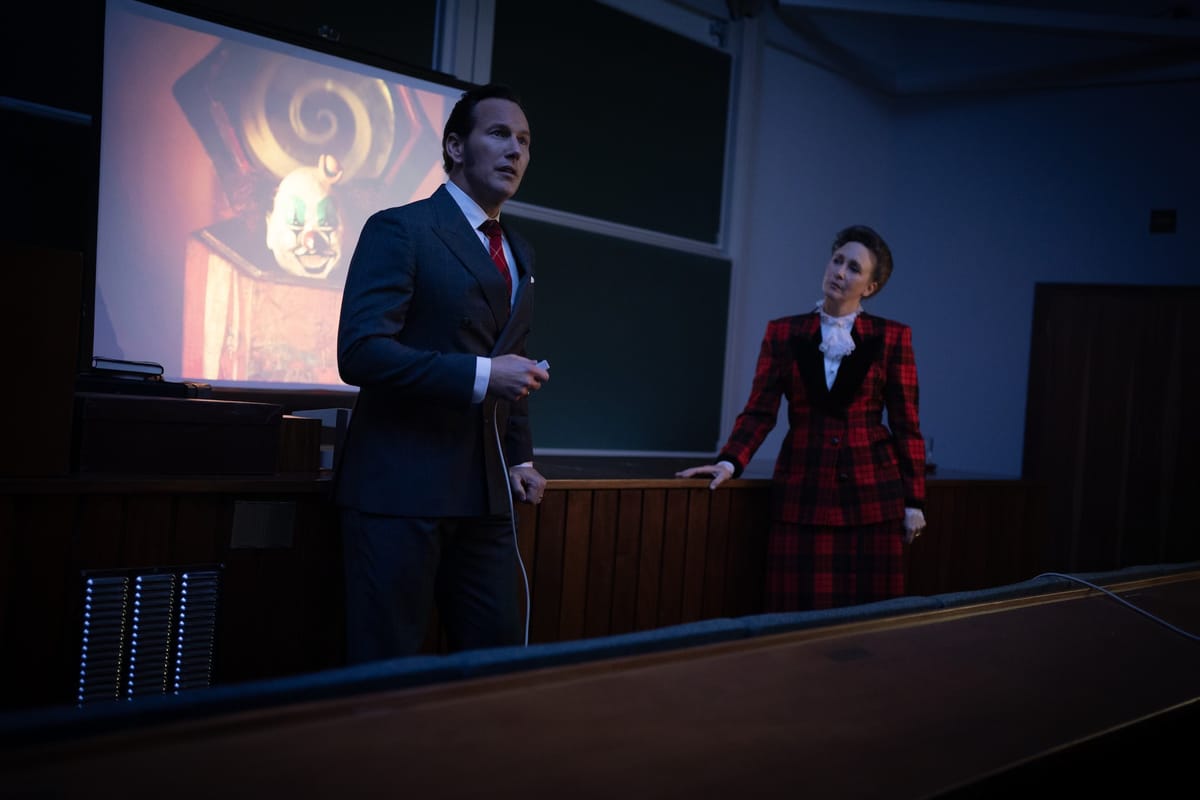
I can’t really fault the fourth Conjuring movie for being more of the same. The original film was a massive hit back in 2013, and the franchise has become the most successful cinematic universe outside of Marvel. They make at least $200 million worldwide and tend to cost at most about $40 million. They’re tidy little profit machines, and weirdly, despite being horror movies, tend to be some of the most conservative films you’ll see outside of Angel Studios or Pureflix. When it comes to the mainline Conjuring movies, there’s a devoted audience who happily return for another story of Ed and Lorraine Warren using faith and family to battle against the forces of evil. Why would their final outing, The Conjuring: Last Rites, be any different?
The story seeks to bookend the Warrens’ journey with a young Ed (Orion Smith) and young Lorraine (Madison Lawlor) in the middle of their first case in 1964, when a brush with the supernatural sends a pregnant Lorraine into labor. Their daughter Judy is stillborn, but a prayer to God revives the child, and then we montage forward to 1986. The mirror the couple was investigating back in ‘64 has turned up at the home of a Pennsylvania family, the Smurls, and is now ruining their lives. Ed (Patrick Wilson) and Lorraine (Vera Farmiga) are now retired because of Ed’s heart condition, but an adult Judy (Mia Tomlinson) feels the pull of some evil force, which lures Ed and Lorraine back in for one last job.
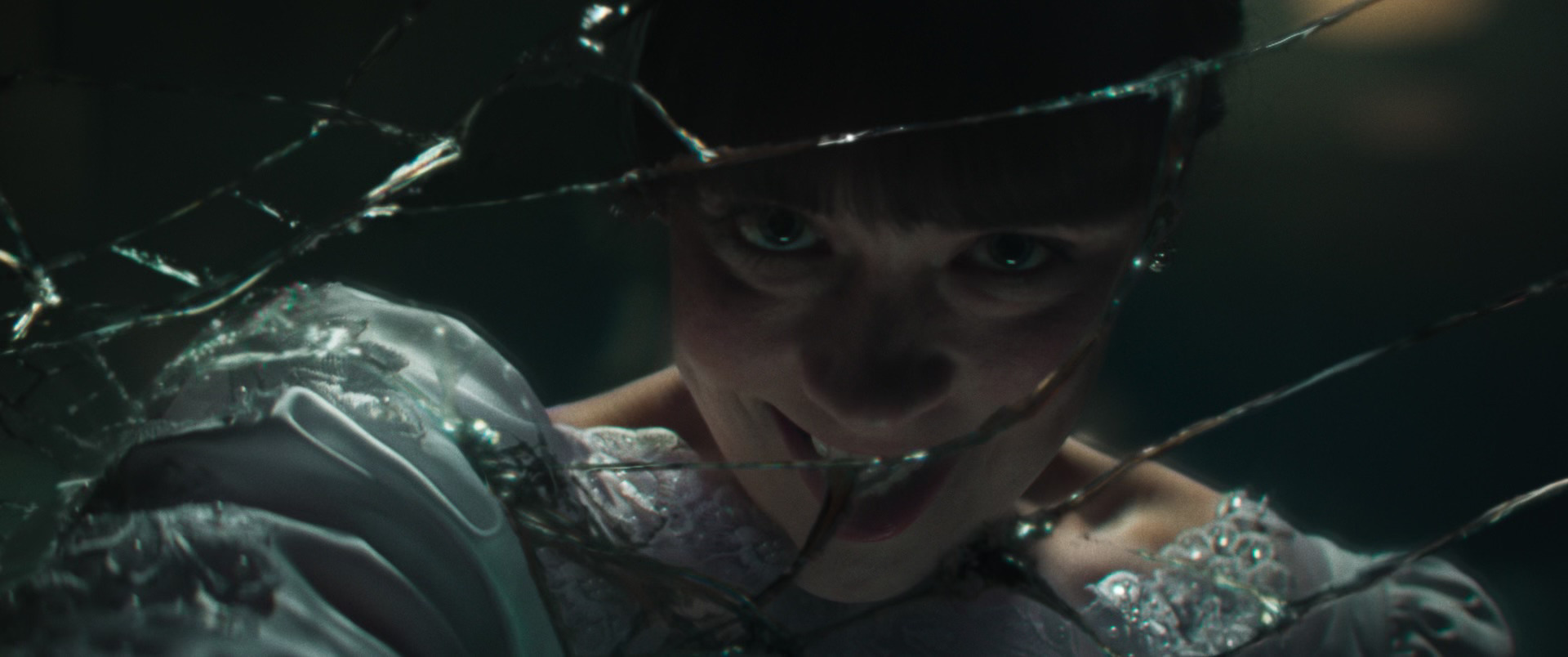
While these movies benefit from terrific craftsmanship and period trappings, they tend not to go anywhere or do anything particularly challenging. They’re “horror” films in that there’s something spooky lurking about, and the movies won’t go more than 10 minutes without creating some type of supernatural scare (usually in the same manner of the music dropping out, panning the camera slowly, giving a bit of a misdirect, and then hitting you with the surprise). But there are no scary ideas here unless, like the Warrens, you truly believe supernatural elements are haunting us. Moreover, these scary things all tend to look the same: pale face, bloody mouth, big smile.
The films also never believe in challenging any of the characters. No one here ever falters or has the external evil exist as a reflection of interior weakness unless that weakness is a literal physical ailment like Ed’s bad ticker. There are no bad people in the world of The Conjuring movies; only bad spirits, and it takes warriors like the Warrens to cast them out. That makes them pure heroes, but rarely interesting characters, despite having compelling actors like Wilson and Farmiga. Their actions here no longer even make much sense, with Lorraine teaching Judy to shut out the evil visions with a nursery rhyme or Ed showing off their trophy room full of haunted stuff to their party guests1. Are these things that must be confronted, or are they mere curiosities? The underlying idea has always been that these are normal people confronting the paranormal, but normal people are flawed. They have doubts. They have fears. The driving need to make the Warrens unimpeachable heroes saps them of any texture that would make them more than your friendly, neighborhood demon hunters.
With their steadfast morality, the horror in The Conjuring movies must always be external and conquerable. If you ask, “What makes these movies scary?” part of that is simply the construction of the scare scenes. But I would counter that these movies are designed to placate rather than unnerve the audience. At their core, these may be your typical exorcism movies where a demon disrupts domesticity, and shouting the right Christian words at it fixes the problem, but I would set The Conjuring movies in their own box.
William Friedkin’s originator of the genre, The Exorcist, is about feeling helpless in the face of evil. Every Conjuring movie is about the same thing: using faith and family to restore the family unit. Consider how staid the Warrens are in their appearance despite the settings of the 1960s, 70s, and 80s. They are aggressively normal people, and while that’s meant as a dramatic juxtaposition against their paranormal work, it also signals that they, as our heroes, get to define normalcy. They’re not outsiders, and they’re not morally conflicted. They represent American decency, and their battles aren’t against any old demon, but a demon that threatens a two-parent household with kids of various ages.
This all supports the idea that no family does anything “bad.” No one is abusive. No one is mentally ill. There are literal demons in the world, and if you use the right tools against them—Catholic-coded items even though the Warrens are never seen worshipping at church or atoning for misdeeds—then you can make a family happy again. You can restore balance to this Norman Rockwell painting that was set askew by literal demons.
And I just don’t find that particularly scary, especially because the demons don’t represent anything. Last Rites brushes up against the idea of how near-death experiences can change your outlook, but never does anything with it. Adding Judy to the mix doesn’t change the complexion of the story, and the fourth film just plays like a slower version of the first film as it takes the Warrens more than half the movie to even meet the Smurls. Every scene drags because there’s no underlying tension beyond what’s on the surface, which is, “When does the monster pop out and go ‘boo!’”
Regardless of what you think of the Warrens or how “historically accurate” this movie is supposed to be, these are horror films designed not to scare but to comfort. They’re about spiritual warfare with literal souls on the line. Everyone is basically good and decent, and they only go astray when demons come along. Moreover, it’s not the community that bands together but rogue individuals who, using the aesthetic of religion, can reassert the importance of family. In the world of Ed and Lorraine Warren, no horror can withstand the power of traditional values.
Maybe this is explained in one of the spinoffs (or maybe I forgot the explanation from a previous Conjuring movie), but I don’t understand how evil objects stop being evil once they’re in the Warrens’ house. Ed always cautions, “don’t touch anything,” and how the objects can’t be destroyed, but as we see from the Smurl case, simply having an object in your house can be hazardous. If the underlying idea is that the demon has been cast out, then why hold onto it? If the idea is that the demon is trapped in the object, how is that different from when the Warrens discovered the item in the first place? ↩