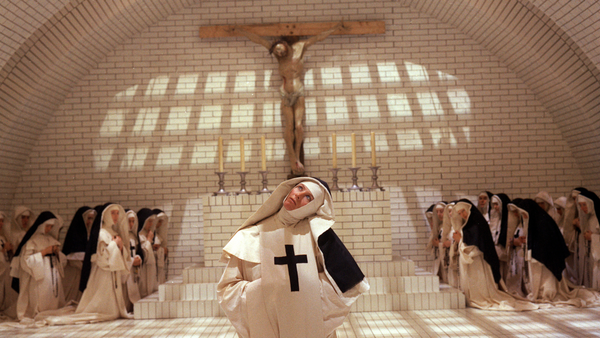
Sam Neill Was Casually a Legend
Far more than Jurassic Park’s Alan Grant, Neill was the kind of performer who could elevate any movie with his quiet charm and surprising intensity.


Sam Neill passed away today at the age of 78. Most headlines about his passing lead with his work in Jurassic Park, and that’s to be expected. It was his biggest movie; he was in the lead role, and given that Jurassic Park is an ongoing franchise (in which Neill appeared in two of the sequels), you cite his performance as paleontologist Alan Grant.
And I don’t want to take anything away from that performance. I was surprised to learn that Spielberg originally wanted Harrison Ford for the role, and while I think Ford would have been good, I’m glad he turned it down because it allowed Neill to step in and bring his charisma and thoughtfulness to the character in a way that wouldn’t have any echoes of Indiana Jones. If anything, the fact that Neill was never the A-list, blockbuster lead like Ford allows you to forget any baggage he could bring to the part. He is Alan Grant, and we’re fully invested in how this man obsessed with excavating dinosaurs unearths a fatherly side he didn’t know he had.
But if you only or primarily know Neill from Jurassic Park, I’d like to put a few more of his movies on your radar.
Hunt for the Wilderpeople (2016)
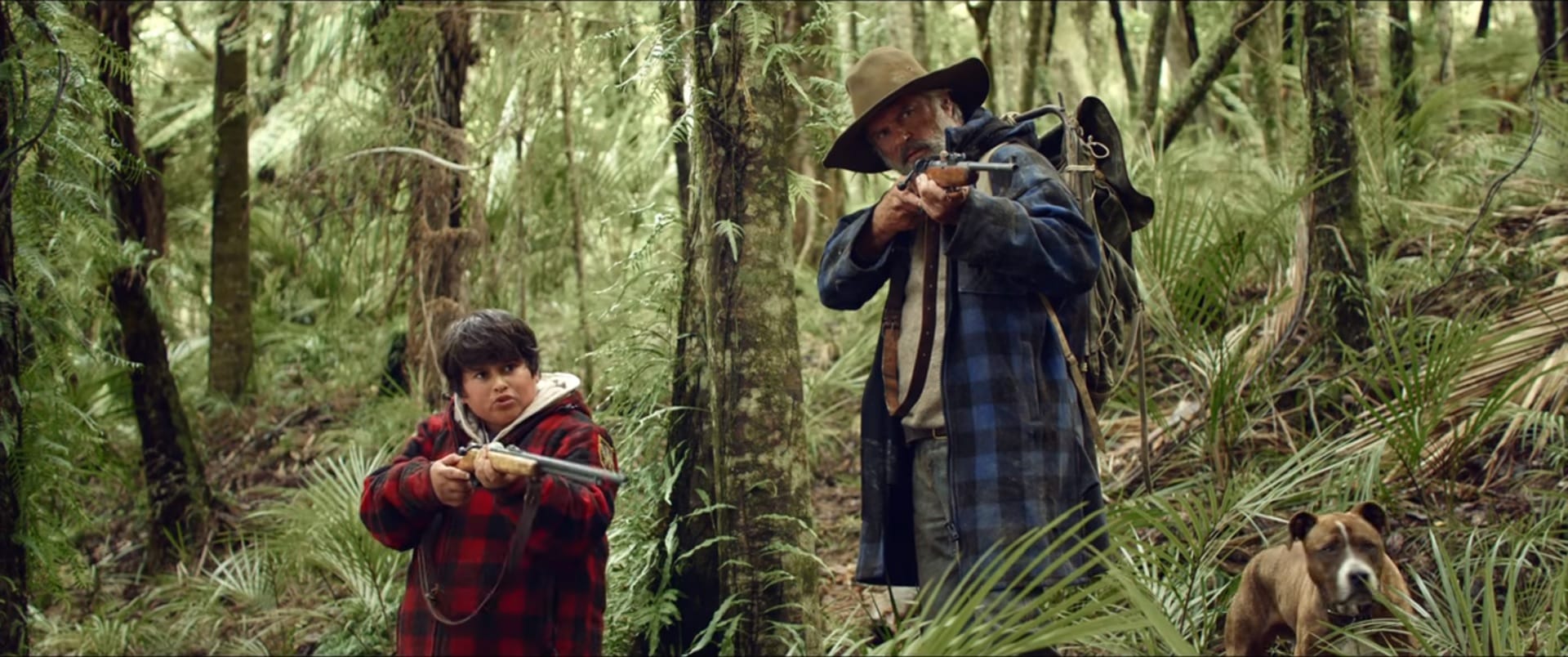
Taika Waititi’s follow-up to What We Do in the Shadows feels like the best Roald Dahl movie not based on a Roald Dahl book. The story follows rebellious foster kid Ricky Baker (Julian Dennison), who is taken in by Bella (Rima Te Wiata) and her gruff, taciturn husband Hector (Neill). When Bella unexpectedly dies of a stroke, the foster care system threatens to take him back, so Ricky runs away, with Hector going after him. The two have to survive in the bush while foster agent Paula (Rachel House) launches a nationwide manhunt for the pair. It’s a warm, funny, strange movie that lets Neill showcase his warmth in a way that’s both natural and hilarious. It’s little surprise that Waititi also tapped Neill as his Asgardian Actor Odin in Thor: Ragnarok.
In the Mouth of Madness (1994)
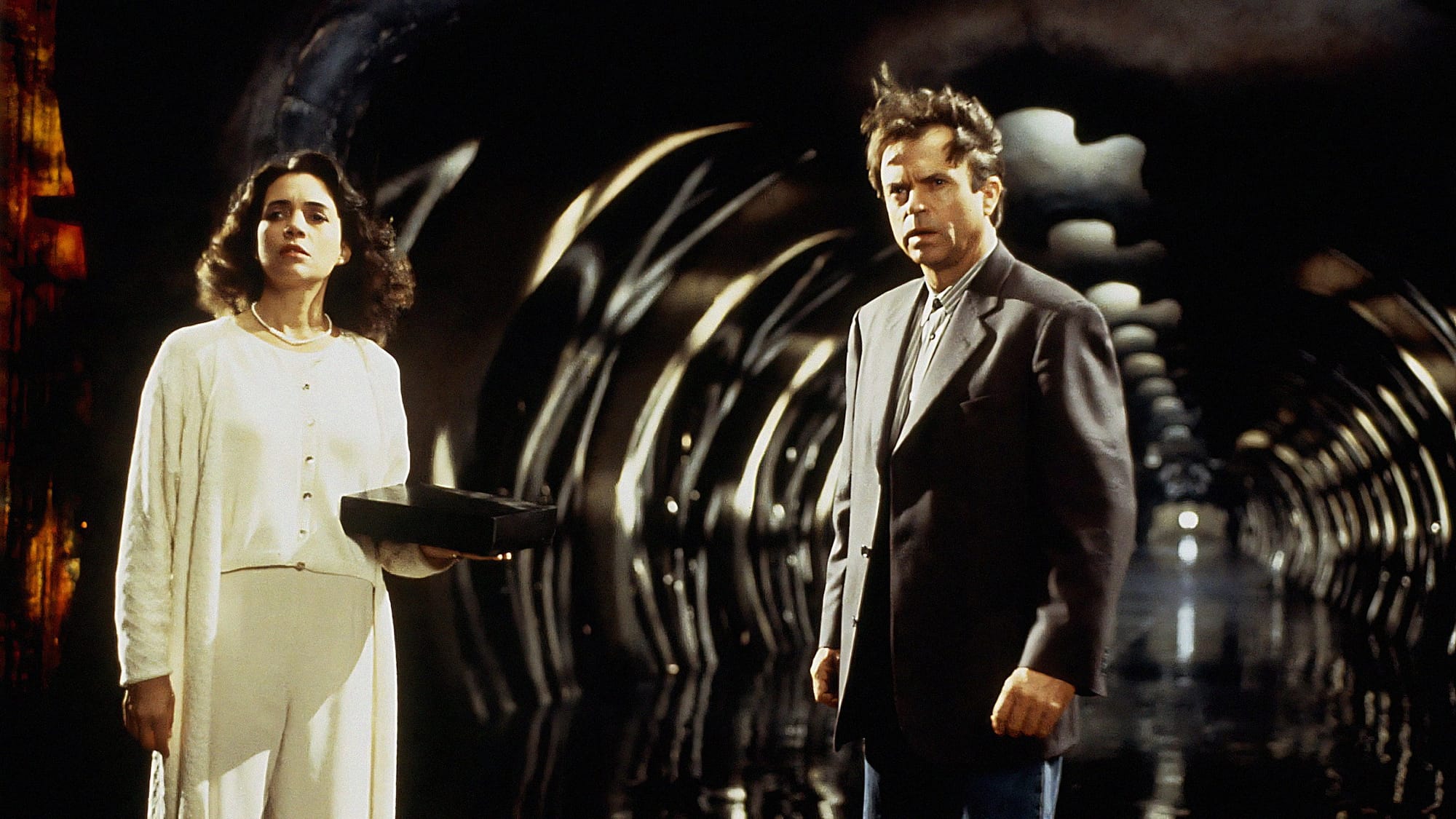
I’d argue this is John Carpenter’s last great movie. In the film, Neill plays John Trent, an insurance investigator looking into the disappearance of acclaimed horror author Sutter Cane. Neill’s ability to meld sanity and insanity within the same character to provide a sense of unease is perfectly suited to the material as the Lovecraftian nightmares of Cane’s work start bleeding into the real world. It’s a clever work that wears its influences on its sleeve, but not any actor could have properly foregrounded the material. The movie simply would not work if we were not unraveling alongside Trent.
Possession (1981)
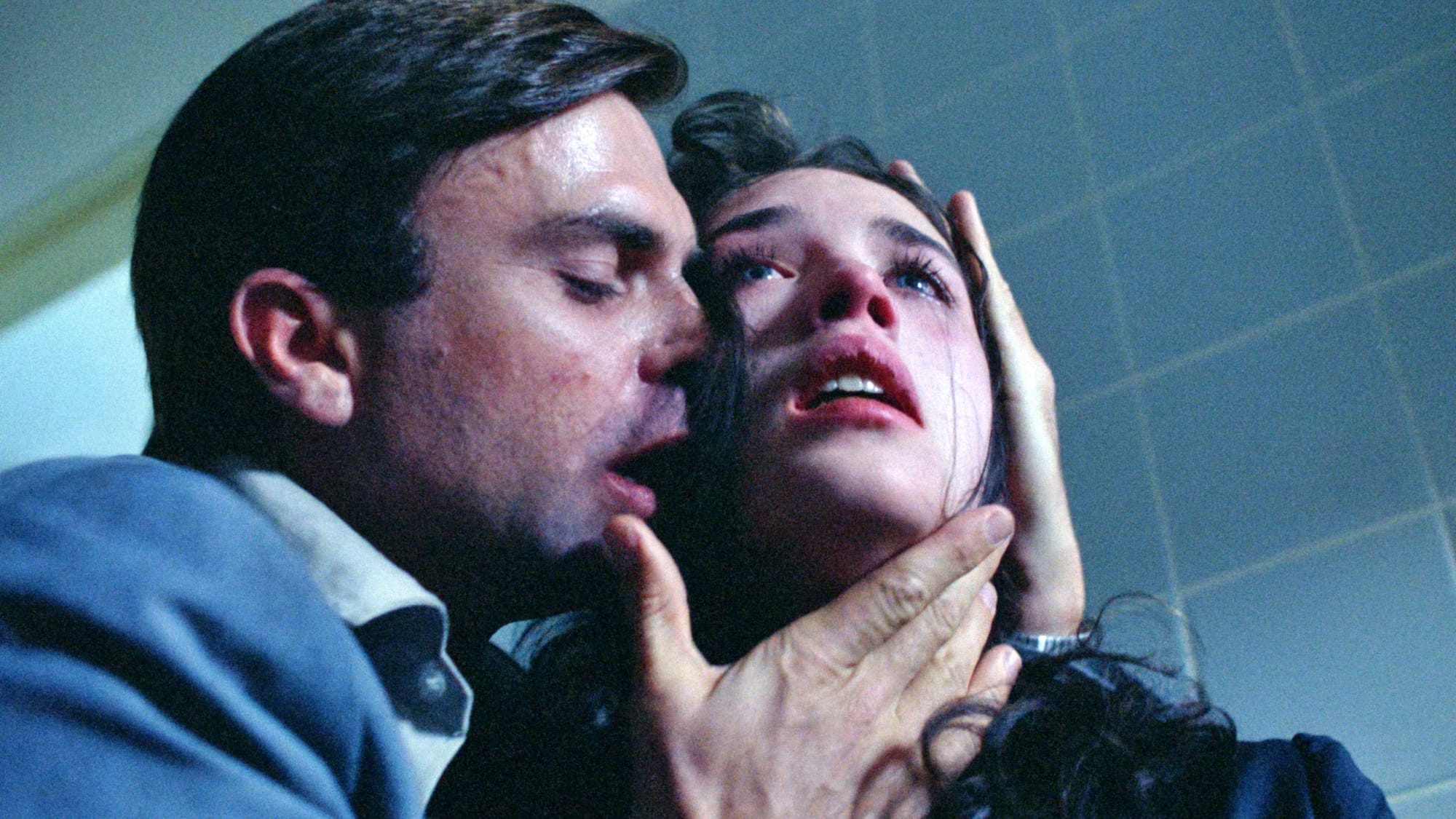
If you want to see two actors given the freedom to be absolutely unhinged in their performances, check out Andrzej Żuławski’s horror film Possession. Ostensibly, the movie is a marriage story between a spy (Neill) and his wife (Isabelle Adjani) as their relationship dissolves, but it spirals far beyond those boundaries. But Neill’s work here is similar to his other turns, which is that he was not an actor who had necessarily had to go “big” to get to you. If anything, Neill excelled at doing more with less, and while his turn here is certainly explosive and disturbing, he never plays it as showy. The quiet confidence he exudes unlocks the character and lets you come to him rather than a guy attempting to do the most.
Good Performances in Bad Movies
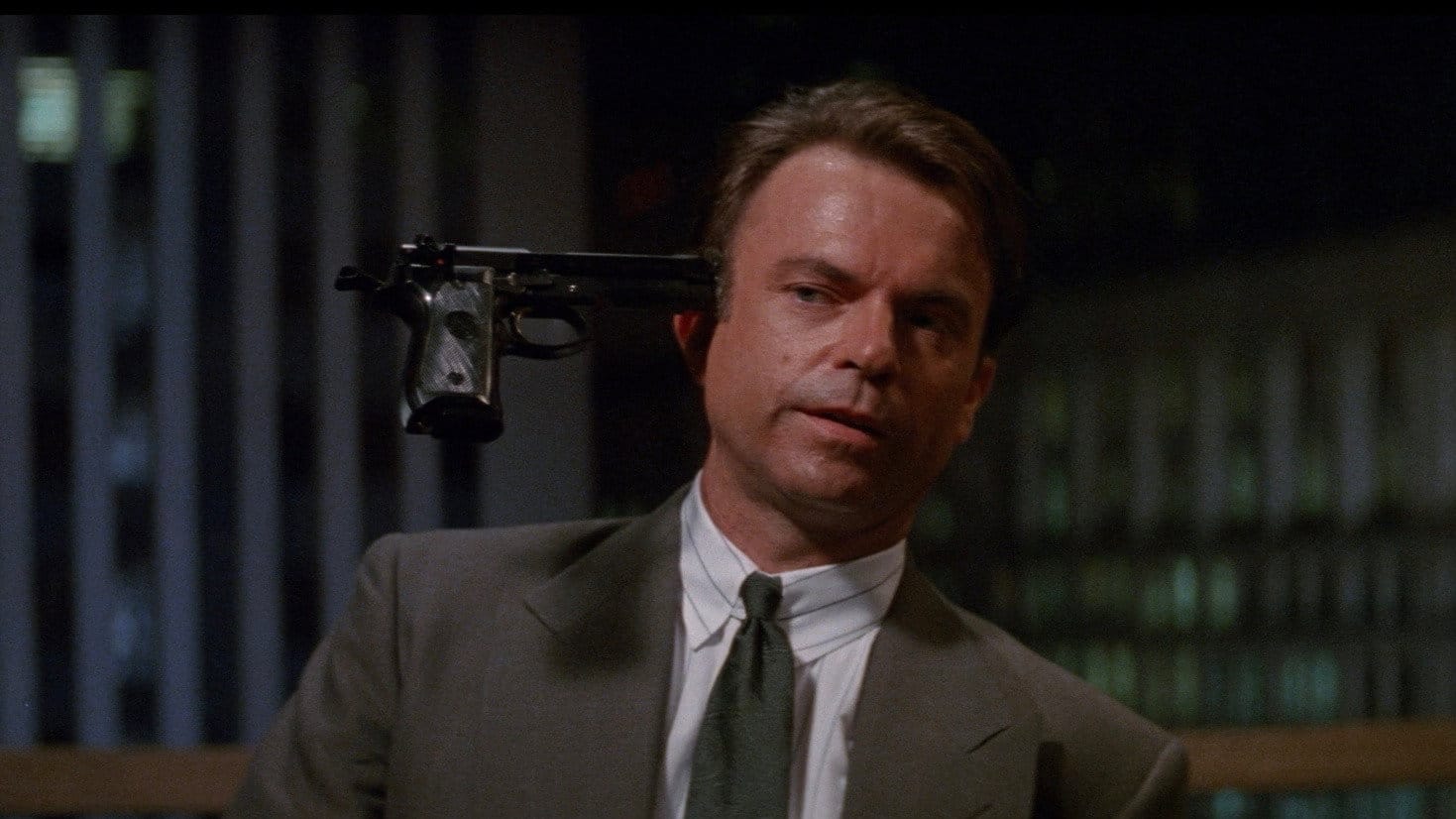
Neill was also the kind of actor who could still give great performances in subpar features. Memoirs of an Invisible Man (1992) is among Carpenter’s worst movies, stuck between the egos of Chevy Chase and Darryl Hannah. But Neill is outstanding as a CIA operative hunting down Chase’s invisible stock analyst. As my pal Mike Ryan pointed out, look how good Neill is with a plastic gun taped to his head, pretending to be held hostage.
I’d also like to single out Event Horizon (1997), a movie that I know has its fans, but for me feels like it could use a stronger filmmaker. The premise is that a crew has to explore a lost trans-dimensional ship that came back from a hell dimension and now brings their nightmares to life. Neill plays the designer of the lost ship brought in to investigate what happened, but who, like most of the crew, ends up going crazy. Perhaps he was so effective at these roles because he looked like the most normal guy, so it was particularly unsettling to see him play men who go mad.
It’s always sad to lose an artist with such a rich and varied career, but Neill left behind a rich body of work, and I hope people take time in the weeks ahead to track down some of his movies they haven’t seen. For my part, I’ll be trying to find a copy of The Dish.
My deepest condolences go out to Sam Neill’s family and friends. May his memory be a blessing.