Ross McElwee’s ‘Sherman’s March’ and ‘Remake’ Make for a Powerful Double Feature of Love and Loss
McElwee’s 1985 documentary ‘Sherman’s March’ returns to theaters in 4K alongside his latest work, ‘Remake,’ an examination of film and memory in the aftermath of his son’s death.

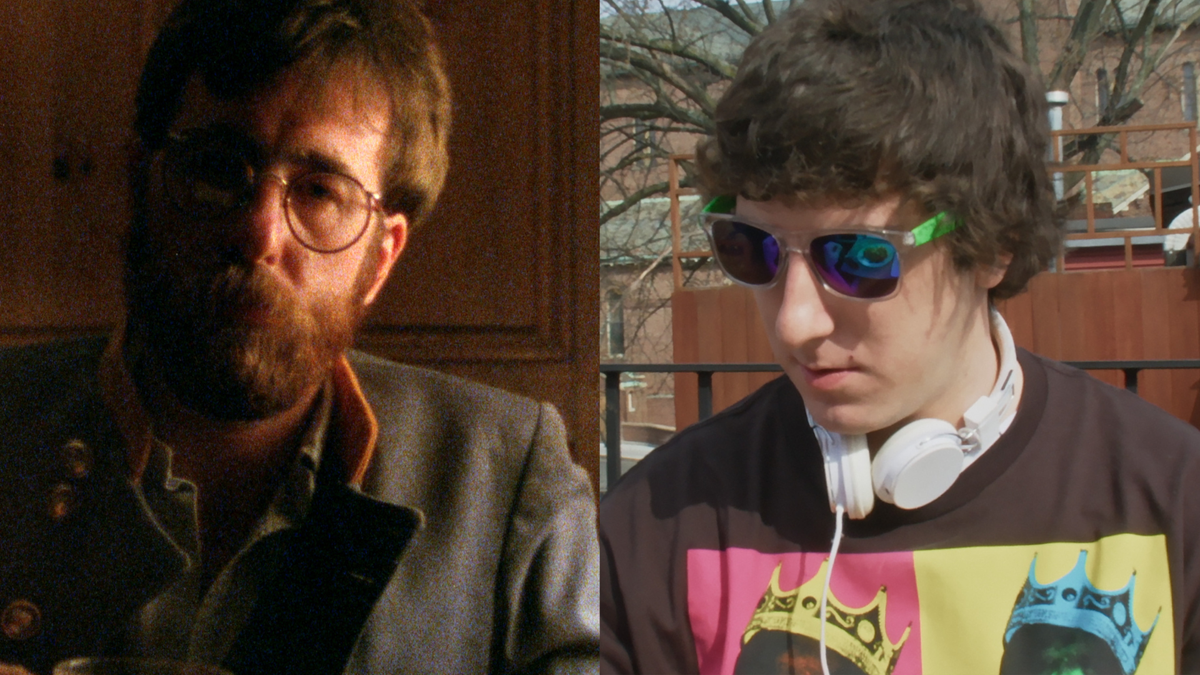
The documentary filmmaker putting themselves in front of the camera is a genre cliché at this point. We see it reappear in Netflix true-crime documentaries in every aspect requiring some acknowledgement of construction—sitting in the chair where the interview will be conducted; the clapboard, etc. But Ross McElwee was putting himself into his work decades ago, most famously with his witty, offbeat 1985 documentary Sherman’s March. By his own admission, McElwee’s work nods at a larger, objective framing (e.g., the Union General’s famous military campaign through the South), but frequently becomes a focus on the director’s life and those around him. Sherman’s March isn’t really a Civil War documentary, but more about McElwee’s attempts to rebound from a breakup and the various women he meets along a Southern road trip.
Comparatively, his latest work, Remake, cuts straight to the personal—the death of his son Adrian McElwee. While the title “Remake” does refer to a humorously misguided attempt of producers in L.A. to turn Sherman’s March into a fictionalized adaptation, it also refers to McElwee’s attempts to cope with his grief by “remaking” his son on film. He acknowledges that Adrian is dead in the real world, but on film, he lives, and he lives as a baby, a boy, a teenager, and as a young man. In movies and in memory, Adrian is still there, but that only emphasizes his absence outside those spheres.
What connects these two movies isn’t just the prospect of remaking Sherman’s March into a narrative feature (which accounts for relatively little of Remake’s runtime), but how the camera both connects and distances McElwee from his subjects in ways that are funny and tragic. In 1985, lugging around a film camera and sound equipment made you stand out. At the beginning of Sherman’s March, McElwee’s sister suggests that such equipment can be a good conversation starter, and it does seem to offer plenty of avenues for getting close to people (although it has its limits, as seen in one of the funnier aspects of the movie in trying to interview Burt Reynolds).
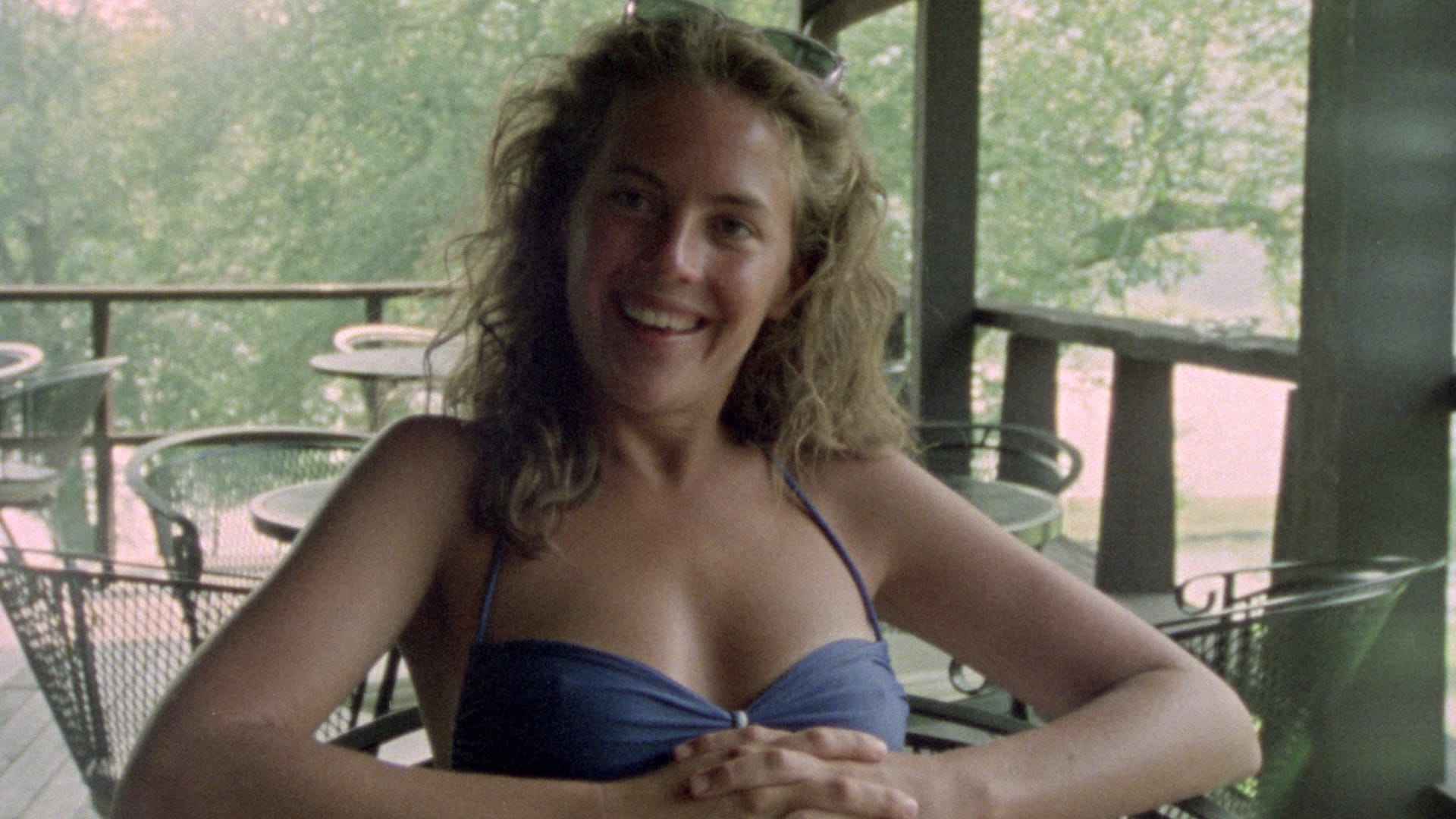
However, as the film unfolds, we see the camera as McElwee’s security blanket. Even when women are clearly flirting with him, he doesn’t seem to know how to flirt back. He’s a little too neurotic, anxious, and depressed to perhaps put the camera aside and show vulnerability. With the camera, he’s in control, but he’s also at a remove. His sister was correct that it’s a way to get people’s attention, but it ends up documenting his multiple failures. A woman will tell him she’s on the outs with her boyfriend, but instead of presenting himself as a romantic alternative, he stays at a remove, and the object of his affection usually ends up with her old beau.
This kind of strange distance parallels nicely with McElwee’s professed subject of Sherman’s March. Over a century after Sherman cut a path of destruction through civilian populations of the South, people are still mad about it. No one is alive who can remember it happening, but it was so egregious that it’s still remembered with contempt. And this distance allows subjects to ignore perhaps the larger inequities and sins that necessitated such a war in the first place (You won’t hear, “We wanted to form our own country where we could keep Black people and their descendants in chattel slavery for all time, so yeah, we probably had that path of destruction coming.) Even the war itself is “The War Between the States,” rather than acknowledging the Civil War. Like a societal mirror of McElwee’s romantic life, there does come a point when being polite prevents you from getting to something real.
What plays as quirky and odd in Sherman’s March becomes much harder and more complicated in Remake. Here’s the camera, once a source of joy and connection between McElwee and his family, now provides footage that are harsh reminders, not only of losing his son, but the loss of friends, the breakup of his marriage, and other pains of the past forty years. Part of the pain comes with aging, but this is juxtaposed against footage of and by Adrian, who will never age. He’s forever in his mid-20’s or younger, forever a son that won’t come back, but who lives in this footage that is both as painful as memory and yet as vital.
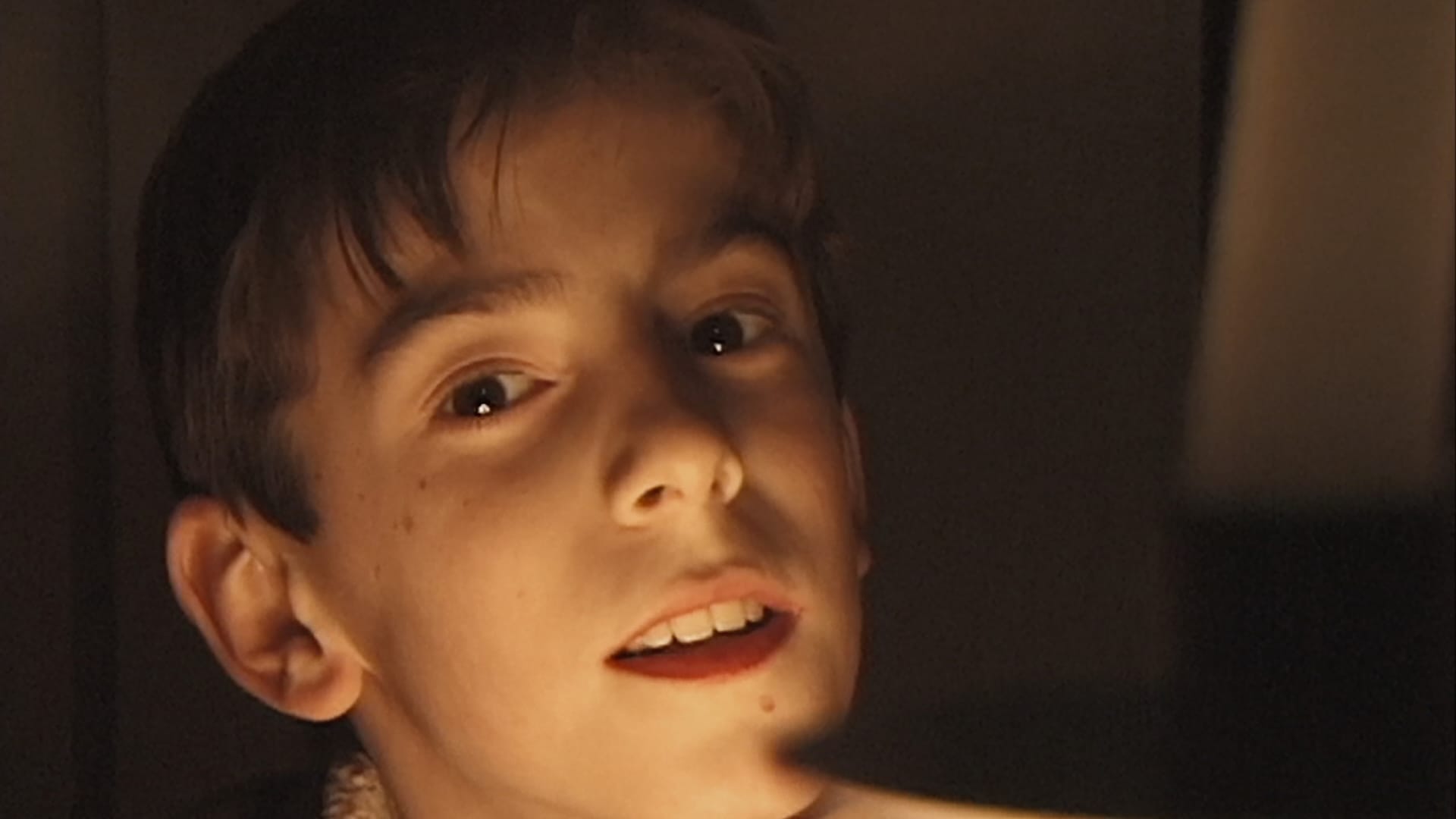
Some may wonder why it would be worth sitting down with such an aggressively sad movie, to watch a father’s grief and attempts to grapple with such a profound loss. Surely, it would be better to go along for the ride of Sherman’s March and skip out on Remake. But the two movies work together, with Remake recontextualizing not only figures of the original documentary (for example, the vibrant Charleen Swansea of Sherman’s March is now an old woman who has trouble remembering her life in Remake), but also how little the world ever makes sense, even if you somehow manage to put it in an editing room. The McElwee of 1985 doesn’t know the pain and heartbreak that await him, but would he do anything differently if he did? And no one could fathom a future of digital proliferation where everyone is telling their stories on video, and yet we’re perhaps further away from each other than ever.
In this way, these two movies are both an invite and a warning. In both movies, we see people who are annoyed by the camera, who don’t want to be captured in this way. McElwee’s family in Remake, once fond of his perpetual need to film everything, becomes irritated by having to talk to a man who’s always behind a camera lens. Even when Adrian starts pursuing filmmaking on his own, it doesn’t necessarily bring him and his father closer. Going through his son’s old footage, McElwee bumps against the limits of making sense of the senseless. The director even wonders, in his narration, if putting his son on camera and taking him to various festivals created a particular narrative that Adrian felt obliged to fulfill. Did filmmaking bring them closer together, or was it something that led to Adrian’s death? Or is this all just the messiness of grief, where there are no clean answers, but the mind must create them as means of holding onto sanity?
This makes for a heavy double-feature, but one that has the fullness of human emotion. There are still moments in Remake that are funny, and through both films, McElwee’s honesty, even at that remove, remains poignant. Like a true documentarian, he doesn’t know exactly what he’s going to find in his wealth of footage, and even the assemblage arrives at the turmoil of life itself. Even if there is an answer—Sherman torched the South, and generations later, Southerners still hate Sherman—it’s comically underwhelming, a feeble attempt to gain control over what was, at the time, the horrifying death and chaos brought by war.
But the feebleness is all too human. It’s the grasping, inadequate attempt to give life meaning even when the meaning is out of reach, or perhaps too painful to address. McElwee isn’t baring his soul for plaudits or attention. He’s not making a documentary about a political issue or even to correct the record. Instead, he’s wrestling with the disarray of life, and it makes both movies, despite existing largely on opposite ends of the emotional spectrum, captivating and compelling experiences.
Sherman’s March has been restored in 4K and is now playing in theaters in limited release alongside Remake. Both Sherman’s March and Remake open today at the Tara Atlanta. Tickets are available here.