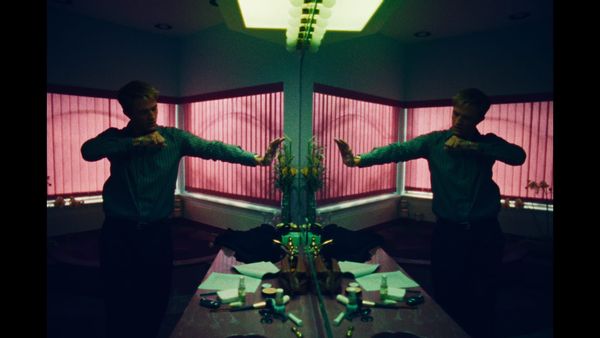
‘Teenage Sex and Death at Camp Miasma’ Dares Audiences to Feel Rather than Analyze
Jane Schoenbrun blasts open a meta-analysis of slashers to embrace the emotional vulnerability of desire.

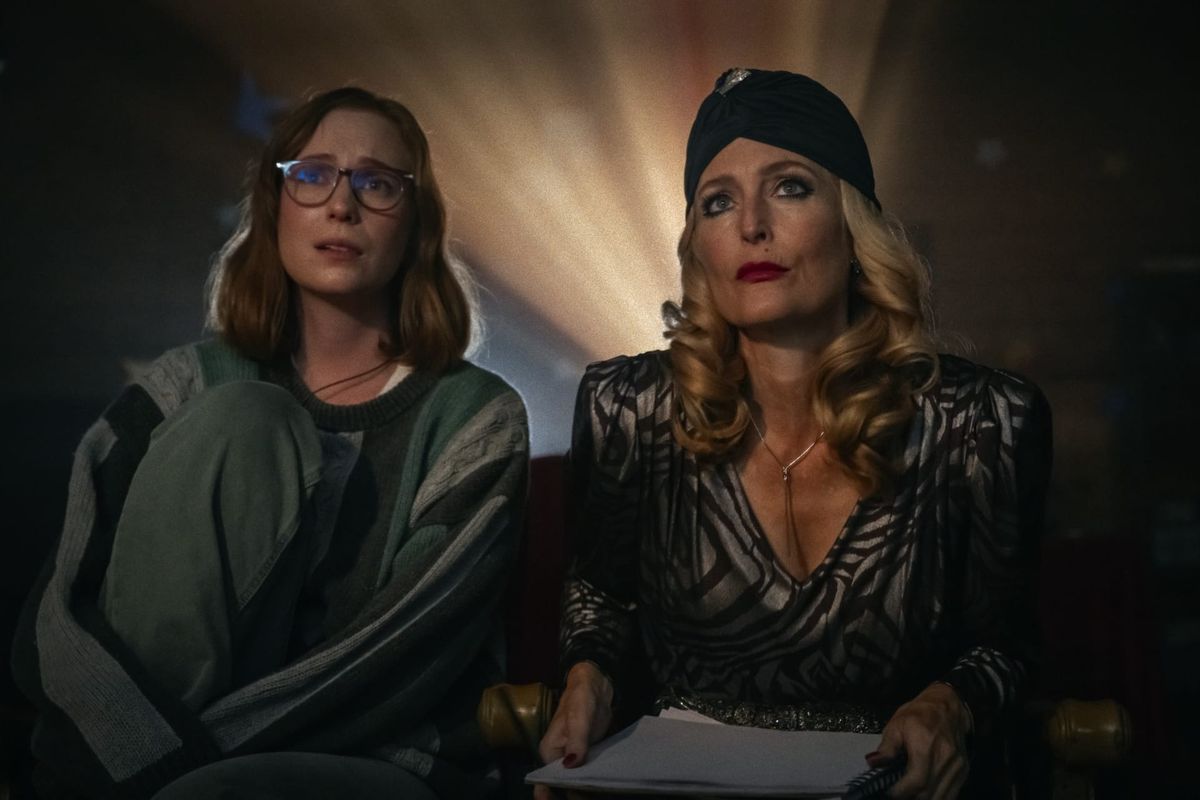
Screenwriter C. Robert Cargill recently opined on Bluesky that younger audiences don’t like sex in movies, emphasizing One Night Only director Will Gluck’s comments to Variety that the reason there’s no nudity and little fornication in his sex comedy is that “whenever people now see nudity or very adult situations in a big theater, they get uncomfortable.” While Cargill lumps in “late millennials” (thus liberating his generation, Gen X, from culpability) with Gen Z raised on “puritan media” (somewhat eliding the complications of the Reagan ‘80s and where the power lay in sexual depictions, but that’s another argument for another time), he does have the data: test screenings say audiences don’t like seeing sex in movies. For me, this would demonstrate the shortcomings of test screenings and studio demands, but again, an argument for another time.
What I will say is that removing sex from movies entirely, as we have from a large part of American cinema, is part of diminishing what movies can be. We’ve so thoroughly intellectualized the cinematic experience through social media, online takes, and attempts to win discussions that the emotional range becomes abbreviated. To say you found a movie sexually arousing would be embarrassing. It’s not surprising that so many movies now elicit nervous titters of laughter from audiences who don’t know how to process anything without at least one layer of irony, and the knowing wink that the filmmaker wouldn’t burden anyone with an earnestly expressed emotion.
This all makes Jane Schoenbrun’s Teenage Sex and Death at Camp Miasma one of the most refreshing and necessary movies in years; a vital work from a filmmaker who knows the intellectual underpinnings and surreal artifice of their work but then pushes beyond the signposts to embrace the rewarding emotional honesty of what it means to be fully vulnerable in your sexuality and desires. Similar to their previous movie, I Saw the TV Glow, Schoenbrun unpacks how art changes us, and we, in turn, change it back through our understanding. Then Schoenbrun goes further, stepping in front of the camera and acknowledging how cinema can foster sexual awakenings we didn’t even know we had.
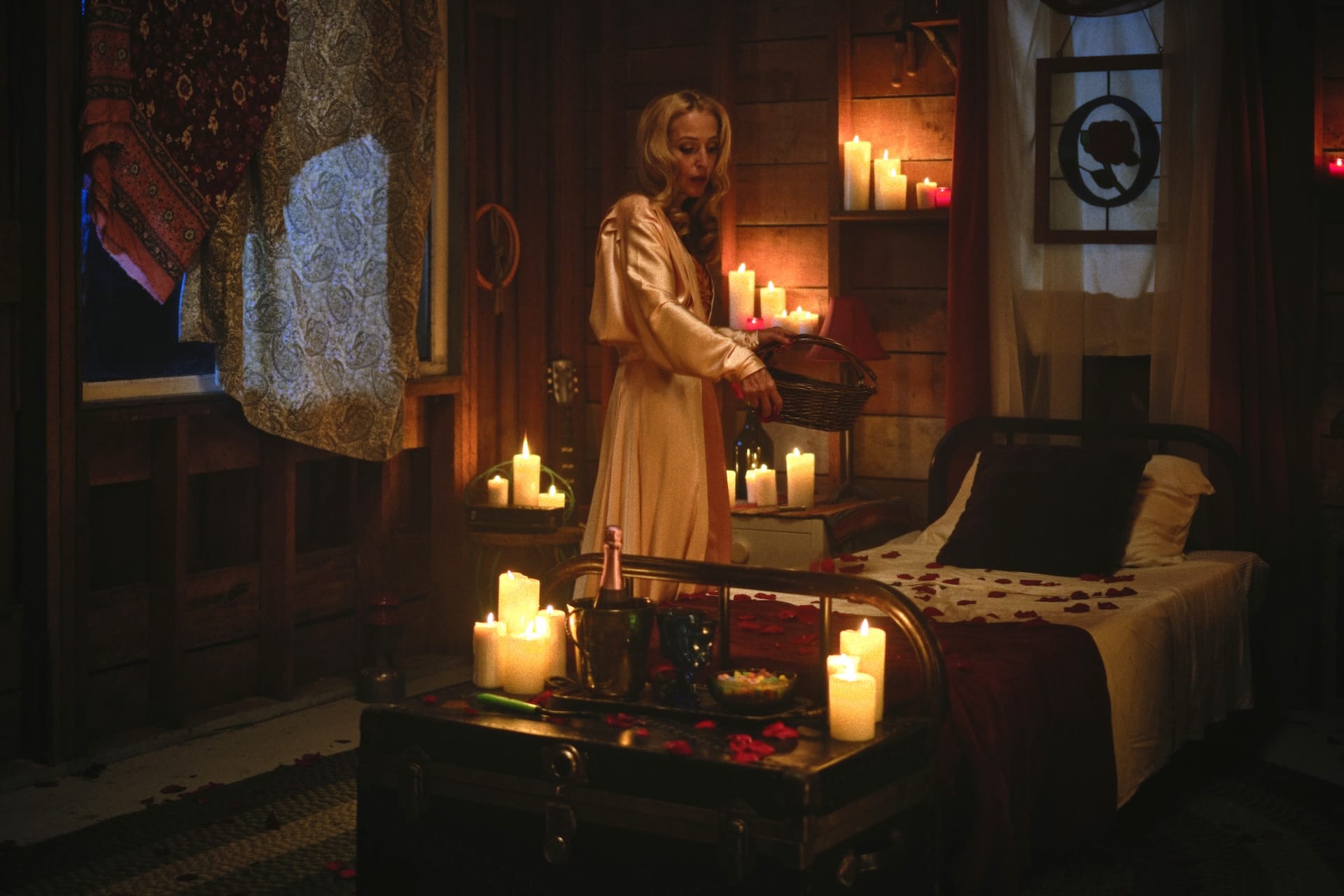
Schoenbrun puts us on the wavelength of their protagonist and avatar, Kris (Hannah Einbinder), a queer filmmaker and Sundance darling tasked by a Hollywood studio with rebooting the “Camp Miasma” horror series, which draws clear parallels to the ‘80s slasher franchises Friday the 13th and Sleepaway Camp. Kris thinks she’s found a way around the tired reboot formula by turning the original Camp Miasma’s transphobic slasher “Little Death” into a commentary on cultural mores and the slasher genre itself. However, she feels that the key is getting the reclusive Billy (Gillian Anderson) back to reprise her role as the original’s Final Girl, which she hasn't done since the first movie. Billy now lives as a recluse on the old location where Camp Miasma was filmed, but as Kris attempts to woo Billy to the project, she finds herself being seduced in turn by Billy’s push for emotional honesty.
Kris is one of the best characters I’ve seen in a film in recent years because she not only plays as a thoughtful representation of Schoenbrun’s psyche, but also comes off as the kind of cinephile that feels all too real (especially to this critic)—one who showcases her love of cinema by how thoroughly she can intellectually engage with it, which in turn is a shield from having to show any feeling about it. Kris confides to Billy that she saw Camp Miasma at far too young an age; there was some sort of awakening, but then attempts to couch it in critical lingo. Billy, after hearing Kris unpack the movie and why she’s now working on the reboot, languidly replies, “I didn’t ask to hear about your career; I wanted you to tell me about you.” Kris is so removed from her emotions that she’s become distant from even explaining how much Billy’s performance—her art—meant to her.
That’s where you need an absolute powerhouse like Anderson to step in and cut through everything. Watching Anderson, putting on a Southern accent, strut around the movie, fully confident in her identity, is one of those reminders that she has been, pretty much since she became a star with The X-Files over thirty years ago, one of the hottest people on Earth. When Billy slices through all of Kris’ academic talk with, “It’s just play,” we, along with Kris, melt. Billy, as both actor and representative of the movie that awakened Kris’ sexuality, offers up the safety of sexual expression, but Kris still has to make the jump into allowing that vulnerability.
Schoenbrun makes the jump alongside her, embracing all the messiness such vulnerability entails. Sex and Death is clever (the slasher’s name of “Little Death” is a euphemism for orgasm), delightfully bombastic (there’s a comically bloody set piece set to Counting Crows’ “A Long December”), and unapologetically erotic, as in a sexually charged scene where a topless Kris initiates intimacy with Billy. This is all contrasted against the figuratively and literally remote Hollywood world of characters like Kris’ agent (Sarah Sherman), who just wants a pitch that will close the deal, or a scene that’s set in a Zoom call to show a bland existence far removed from the surreal aesthetics of Camp Miasma.
Movies express ideas, but they also create emotions, and attempting to program them as cold, hard beats renders cinema into the soulless product that Hollywood loves and no one remembers. Schoenbrun skillfully argues that as problematic as something like Sleepaway Camp is, its problematic nature also gives it the emotional bandwidth and messiness to connect with people in a way that sterile critique can miss. Sex and Death not only allows but celebrates the possibility that untidy art is how you reach people far better than a perfectly crafted pitch. For a queer, trans filmmaker like Schoenbrun, whose lived experience doesn’t fit into simple boundaries, the best explanation is not straightforwardly intellectual but enigmatically emotional, using cinematic touchstones, abstract visuals, and unabashed eroticism to convey a feeling rather than an argument.
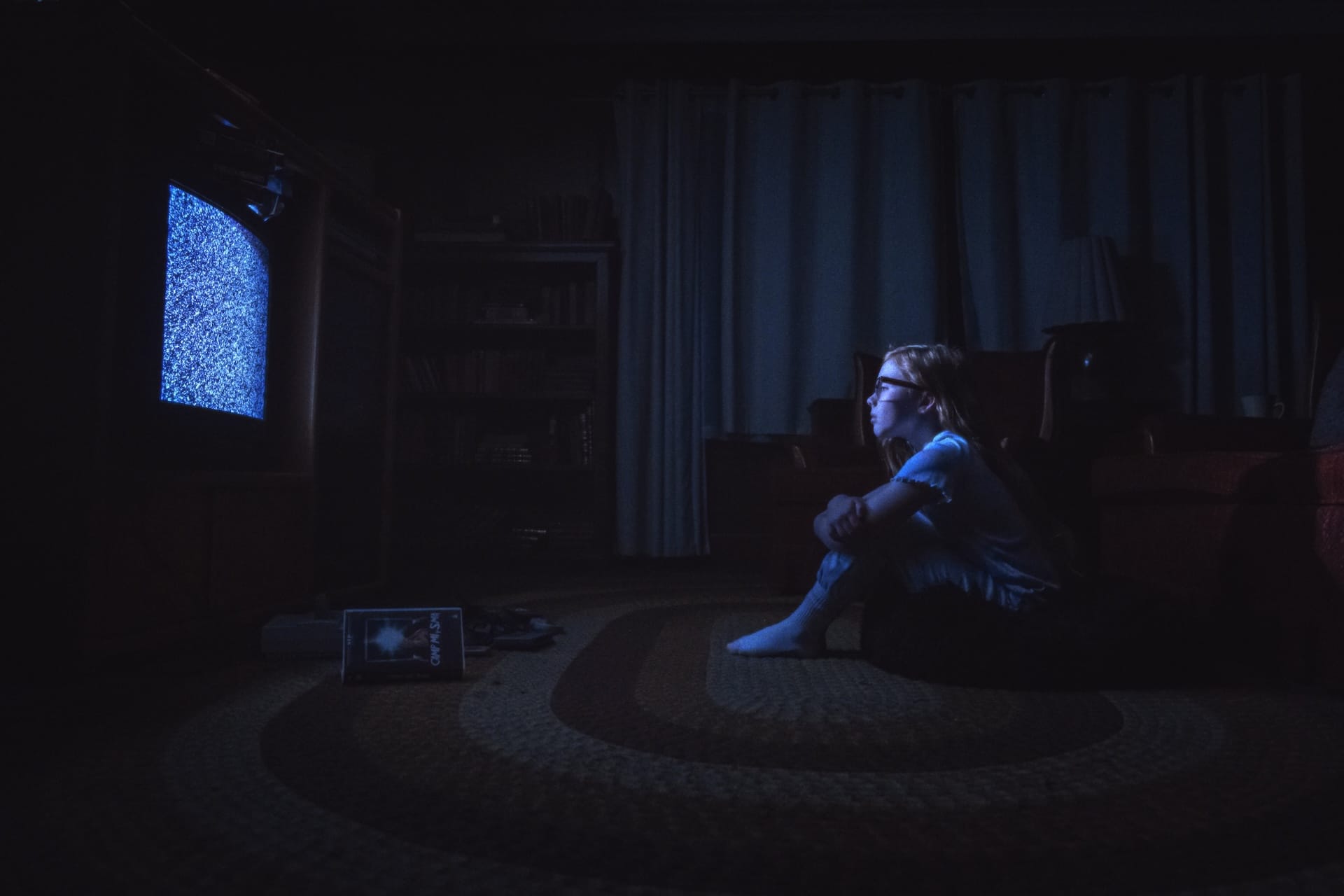
Sadly, like the tucked-away old movie set from a bygone age, Teenage Sex and Death at Camp Miasma is unlikely to penetrate the mainstream. Cargill and Gluck aren’t wrong that modern audiences have rejected erotic movies, instead preferring to watch sex at home in TV series like Heated Rivalry and Bridgerton. Even within Schoenbrun’s movie, the young Kris watches Camp Miasma at home on VHS, developing her sexuality in the privacy of her own home. But at least the sex was there in the film, and it was couched in the thrilling discomfort of slasher gore. Like their inspirations, Schoenbrun doesn’t go straight for sexual arousal, but weaves it into a richer, textured piece that defies easy categorization. Perhaps that means Teenage Sex and Death at Camp Miasma won’t blow up at the box office, but it’s likely to transform some who see it and create a deeper awakening they didn’t know they needed.
Teenage Sex and Death at Camp Miasma is currently playing in limited release and opens in more theaters this weekend.
Over at Decoding Everything, I reviewed 'The End of Oak Street':
 Matt Goldberg