‘Tenzing’ Takes a Traditional Biopic Route to Find a New Appreciation of Everest
Jennifer Peedom’s story about Tenzing Norgay hits familiar beats but reframes the journey to make it about communion rather than conquering.

While the biopic these days is frequently about taking known figures and burnishing their legacy, there are some welcome outliers that attempt to deepen our understanding, either about their accomplishments or their place in history. We got that earlier this year with Tony, which looked at a young Anthony Bourdain rather than the celebrity he would become. Jennifer Peedom’s Tenzing takes a step back from the traditional Great Man of History narrative, which she recognizes as traditionally based in Western figures, to turn the camera towards Tenzing Norgay, the man who, alongside Edmund Hillary, became the first person to summit Mount Everest. While the movie uses traditional flashbacks and streamlined events to illustrate what led Norgay to his monumental accomplishment, the whole piece is undergirded by a respect for nature, not as something to conquer, but as a personal act of communion with nature. Combined with gorgeous cinematography, Tenzing feels rooted in reverence, rather than simple admiration, both for the mountain and the mountaineer.
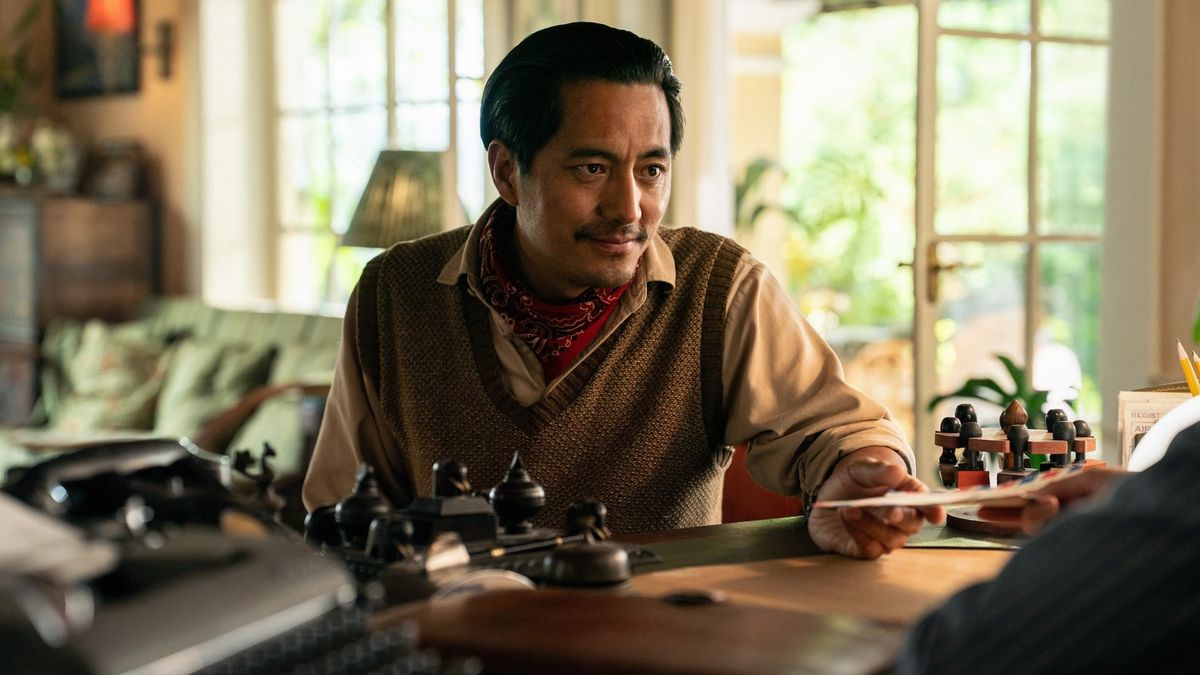
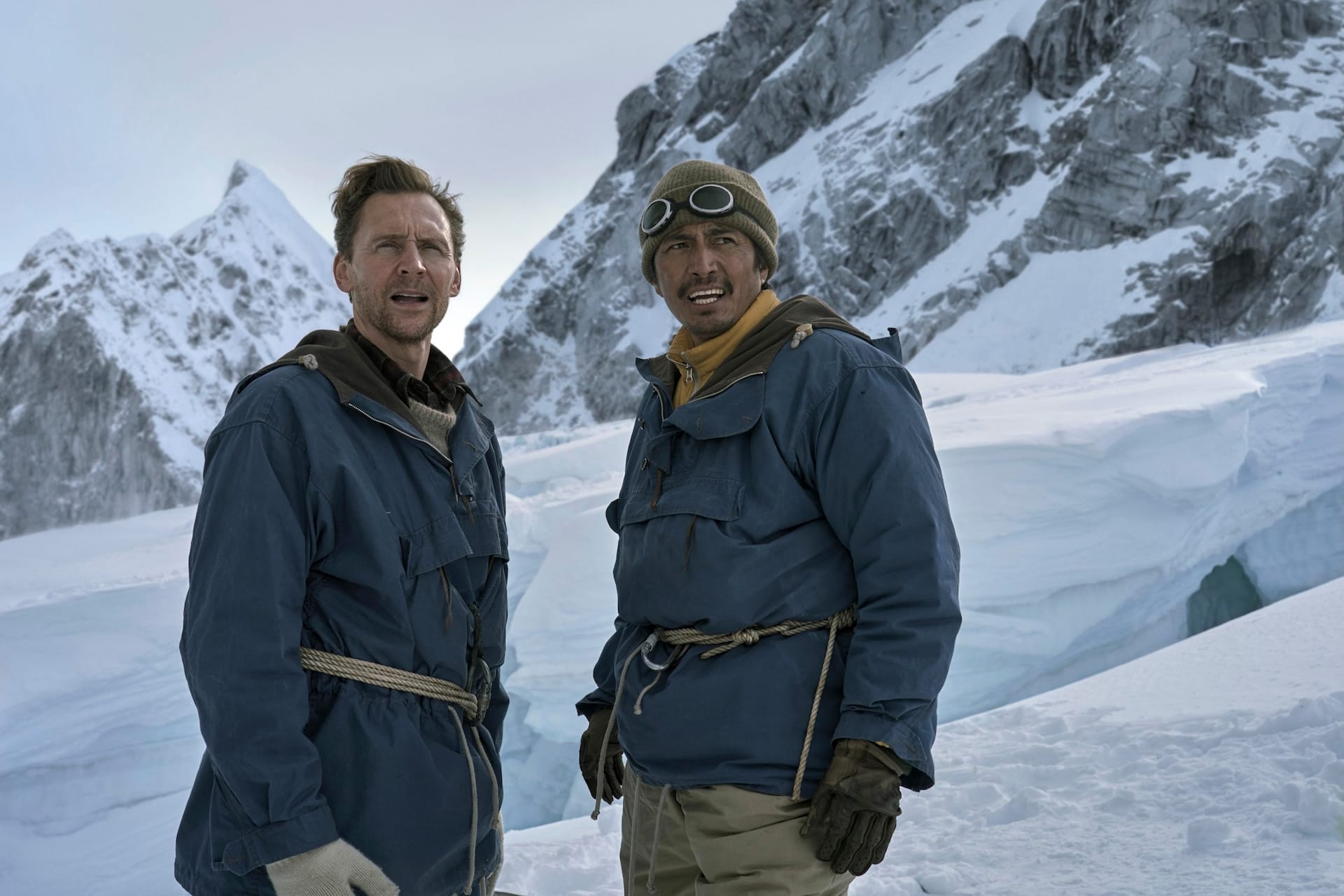
Tenzing Norgay (Genden Phuntsok) is, in some ways, a man without a country. He’s one of the best climbers in the world, but he immigrated from Tibet to Nepal, making him somewhat of an outsider among the Nepalese Sherpas. Still, his talent and understanding of how to summit Everest (which he calls “Chomolungma,” the Sherpa name) make him in demand for Europeans seeking to make history in climbing the mountain. In 1953, he agrees to work with expedition leader Colonel John Hunt (Willem Dafoe) to lead the British up the mountain, but on the condition of being a member of the climbing team, not only as one of the Sherpas (the Sherpas are instrumental support crew but are paid to assist wealthier climbers to the summit rather than make it themselves). While Hunt and most of his climbers believe a Brit will be the first person to summit Everest, Norgay bonds with Edmund Hillary (Tom Hiddleston), a quiet Kiwi who recognizes the unique skills Norgay brings to the team. As Norgay thinks back on his life, he seeks to summit Chomolungma as a way of making peace with the loved ones he’s lost.
Although there’s a Walk Hard aspect here of “Before Tenzing Norgay summits Mount Everest, he has to think about his entire life,” digging into Norgay’s past makes sense because it’s not like he’s the most famous guy in the world in 2026. Sometimes, relating past events isn’t about playing the hits, but allowing audiences to understand a figure they don’t know about. While the script doesn’t lean much into nuance, giving Norgay a hero treatment of an underdog outsider who believed summiting Chamolangma would give him closure on the loss of his parents as a child and later the loss of his wife, it still provides a nice set of motivations even if it’s not as detailed as one would get from a biography or documentary.
Thankfully, Peedom’s camera always keeps us hooked to the action. Having previously helmed nature documentaries such as Mountain and River as well as the documentary Sherpa, Peedom knows how to reel us in with a sense of awe for the nature of the accomplishment and the beauty of the mountain. However, she never loses sight of the characters, highlighting the conflicts among the Sherpa, concerns about what will happen to them economically if the expedition succeeds, and the racial conflicts of Europeans patronizing native inhabitants. I don’t know how a Sherpa viewer would feel about the movie, but the film endeavors to come at this story from their point of view, with Hunt and Hillary relegated to important but supporting roles.
There’s nothing here that upends the biopic form, but it’s at least a welcome outlier in spotlighting a figure who deserves more recognition as well as reappraising what mountain climbing should be. Yes, summiting can be a point of national pride, as seen here or in the recent documentary, The Last First: Winter K2. But the gentler, more humane tone of Tenzing feels refreshing for not looking at a mountain as something to be conquered or endured, but rather a part of life itself; a metaphor for the difficulties everyone encounters regardless of height above sea level. There’s a great deal of narrative familiarity in Tenzing, but those well-worn paths allow the film to reach a different and welcome perspective.
Tenzing opens in select theaters on October 9 and arrives on Apple TV on October 16.