The Nintendo Switch 2 Needs a Change-Up
A company that prides itself on innovation keeps making the same mistakes.

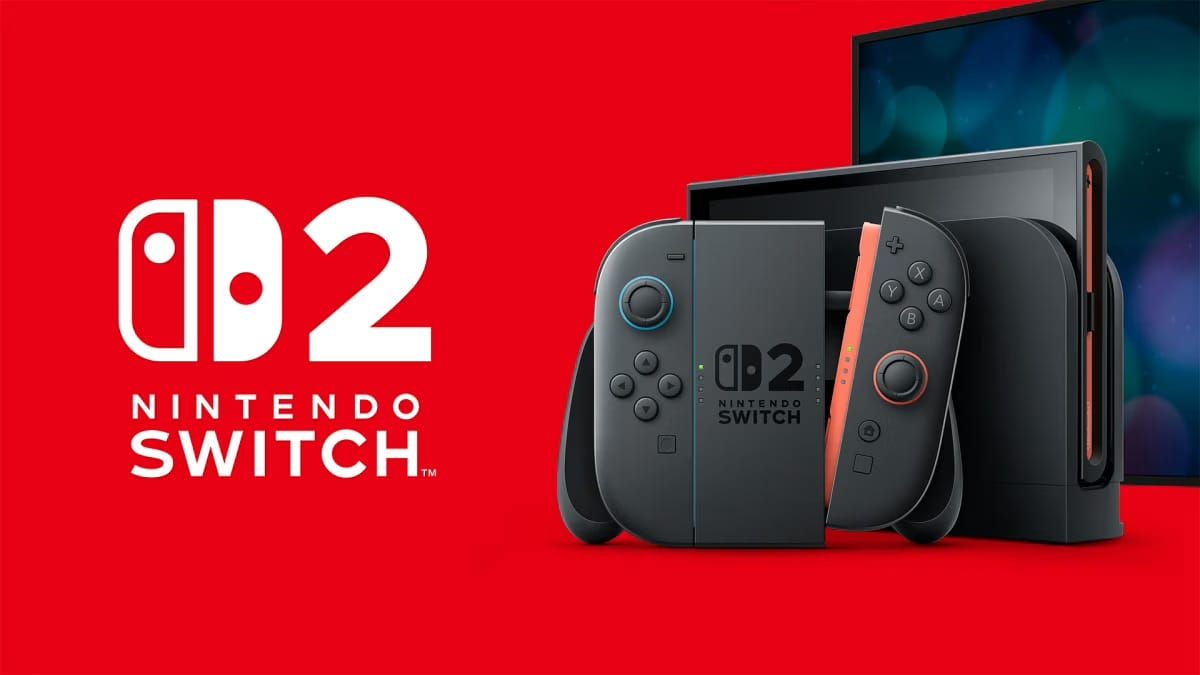
The Nintendo Switch 2 arrived a little over one year ago, and the flashy launch title was Mario Kart World, which is fine. However, in the past year, what should have been a continuation of the company’s best-selling console of all time has been a massive disappointment, signaling that the company is not only stagnating in first-party titles, but failing to make the case for why anyone should pick up a console that’s almost twice as expensive with less than half the value.
After this past week’s underwhelming Nintendo Direct, let’s break down the three major problems for the Switch 2.
Mario Is Missing
Mario is as popular as ever. His new movie, The Super Mario Galaxy Movie, despite being Illumination’s standard-issue slop, is the first film of the year to cross $1 billion at the global box office. He remains a beloved mascot, and the company continues to put him in a ton of titles. And yet his last mainline title (meaning not a Kart game or the many sports that he plays) was Super Mario Odyssey, which came out almost nine years ago. That team moved on to the Nintendo Switch 2 title Donkey Kong Bananza, which, fine, but Mario titles are the entrée while Donkey Kong is the side dish. Mario is the mascot for the game company, and the game company doesn’t seem to be making a new Mario game.
Granted, Nintendo is likely working on such a game behind the scenes, but a lot of games are being worked on behind the scenes. Nintendo doesn’t like to announce anything too far in advance (and granted, that can backfire), but it would be nice to signal to early adopters that you haven’t left Mario to movies and theme parks while overlooking his value to gamers. Moreover, it’s not like Mario still has platforming all to himself. Astro Bot is now the de facto mascot for PlayStation, and his 2024 PlayStation 5 title was Game of the Year. Perhaps Nintendo felt they needed to up their game after Astro Bot, but who knows when that upped-game will ever arrive?
Play It Again, Samus
One of the things that made the first Switch so successful was Nintendo’s first-party titles. The technical limitations of the Switch mean that Nintendo will always lag behind PlayStation and Xbox, with the trade-off being that you get an older game that’s portable (the Switch really is a marvel of engineering). However, in-house, Nintendo develops games that may not be at the bleeding edge of graphics but know how to utilize the hardware to create incredible titles like Breath of the Wild and Super Mario Odyssey. It’s clear the company hoped that Mario Kart World and Donkey Kong Bananza would similarly serve that position, and they’ve been fine, but nowhere near the kind of instant classics of the Switch 1.
What’s more damning is how little enthusiasm and creativity Nintendo displays going forward. This past week’s Nintendo Direct maps out what the company has on deck for the remainder of the year, and there’s more here that’s laughable than laudable. I’m personally interested in the new Fire Emblem game, and I suppose it’s neat that remakes of StarFox 64 and The Legend of Zelda: Ocarina of Time are on the way. But that’s the thing—they’re remakes. That’s alongside older titles such as Lies of P (first released in 2023), Devil May Cry 5 (first released back in 2019), and the Xenoblade Chronicles trilogy (the first entry was released on Wii back in 2010). Upcoming third-party titles like Xenoblade Genesis and Kingdom Hearts IV are far in the distance.
The big pitch for the Switch 2 has become, “Would you like to play old games that look better?” And hey, I can get excited for a remake as much as the next guy, but it’s disheartening to see so much of the company’s strategy built around “been there, done that.”
But hey, at least the new Sports game has…thumb wrestling. Finally, a game you played while waiting to get picked up from school is now on a $450 console.
Nintendo Has Tried This Game Before
On paper, making the Switch 2 as an advancement of the Switch rather than a redesign seems like a sensible decision. The company went from the wildly successful Wii to the massive flop of the WiiU because consumers didn’t understand the integration of the gamepad (it’s also just the worst branding imaginable; how many people thought the WiiU was an added accessory rather than an entirely new console?). The Switch 2 is an easier pitch: bigger screen, faster processor, and that’s why it costs almost twice as much.
But Nintendo has made this mistake in the past when they tried to go from the Nintendo DS (their best-selling console until the Switch) to the Nintendo 3DS. The 3DS is a similar story—faster processing, better screen (and the ability to see 3D without glasses was genuinely cool), and yet it only moved half as many consoles as the original DS. The original DS became a sensation because it had fantastic titles that leaned into the goofiness of the console (I remember shouting “Objection!” at my DS’ microphone during games of Ace Attorney), and the 3DS never really landed those must-play titles. It could do more than the DS, and yet gamers felt they were getting less from the console.
That’s where we are now with the Switch 2—a console that is technically more powerful, and yet is incredibly underwhelming because its selection of games is so disappointing.
Over the past decade, as its deep-pocketed competitors churn out more powerful games, Nintendo has sought ways to survive by going against the grain. Sometimes that means diversification, like reopening its stable of games to film adaptations as well as moving into the theme park business. It also means gaming differently, relying on motion controls and portability rather than sheer processing power and graphics. But at its core, Nintendo is a video game company, and even its competitors know that first-party titles are essential. That’s why Xbox clawed back the new Gears of War to a console exclusive and why Sony capped its recent presentation with their big exclusive, God of War: Laufey. These are franchise titles, but they’re new franchise titles.
If Nintendo wants to reverse its fortunes on Switch 2 and not have a repeat of the flashy but disappointing 3DS, they need some kind of signal that their first-party titles are not only ongoing, but exciting and new. Remakes of StarFox and Ocarina of Time are certainly worthwhile pursuits, but they’re also a shoddy bridge to whenever we’ll see the next original Mario or Zelda game. Nintendo’s new system needs more than old titles and thumb-wrestling.