‘Normal’ Shows That Not Everything Can or Should Be ‘John Wick’
Ben Wheatley offers up an empty bloodbath in a world where everyone is a killer.

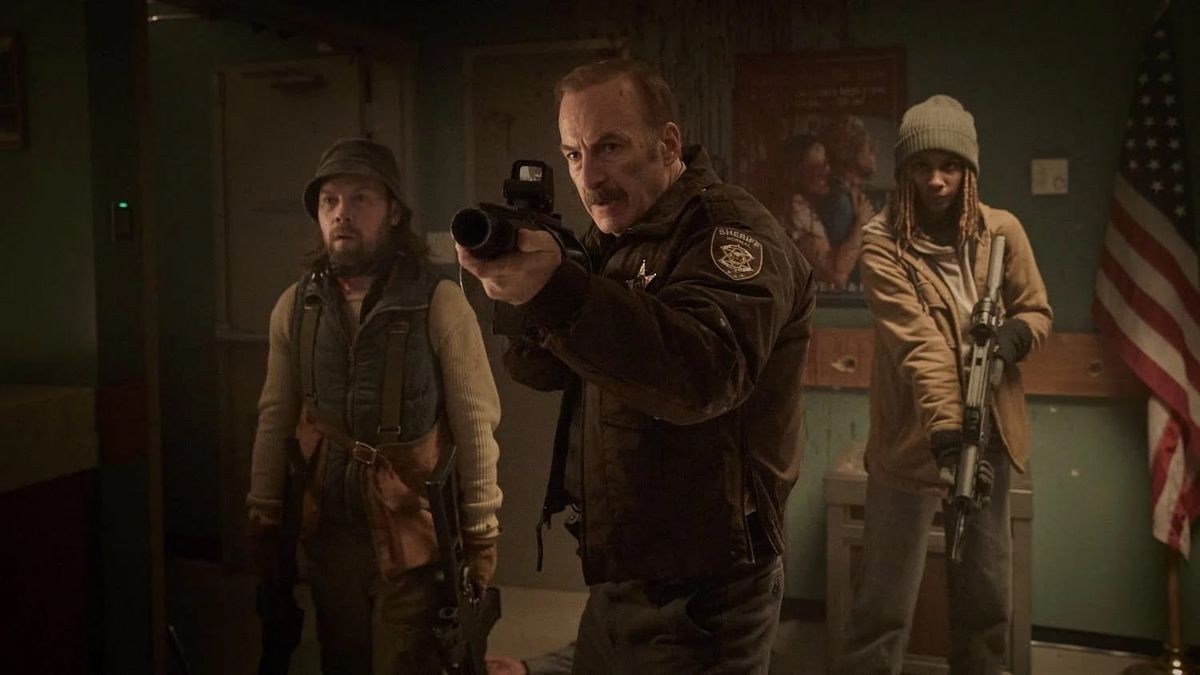
When I wrote about Bob Odenkirk’s action turn in 2021 with his movie Nobody, I noted how it presents an acceptable level of bloodlust for the audience. Movies can operate with an internal logic where violence is not only allowed but encouraged, and as long as it stays within those parameters, we can enjoy the experience. In that movie, Odenkirk is a former assassin now squaring off against other bad guys who threaten to upend his mundane existence. Screenwriter Derek Kolstad took the approach he had with his scripts for the John Wick movies and just stripped out the stylishness and elaborate world-building. But Normal, Kolstad and Odenkirk’s latest collaboration, shows the limits of this approach. There could be a way for the outlandishness of the premise to give the film a B-movie gloss, but director Ben Wheatley’s brand of dark comedy (which has topped out at “People die in horrific fashion”) makes the whole endeavor feel off-putting rather than gleefully unhinged.
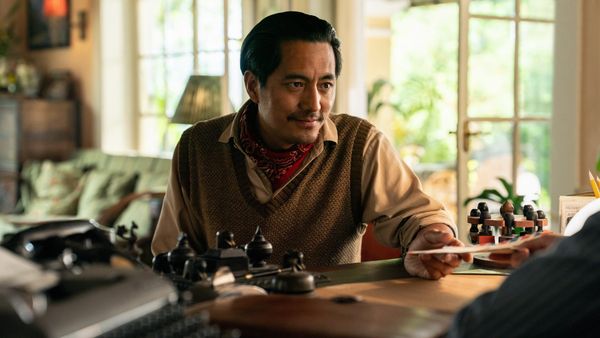
Ulysses (Odenkirk) is a roaming sheriff. Whenever there’s a short-term vacancy, he comes in to fill the role on a temporary basis before the town hires its long-term choice. His latest stop is Normal, Minnesota. It appears to be a usual gig of politely de-escalating situations and moving paperwork around. Unfortunately for Ulysses, Normal is in bed with the Yakuzas, and when a couple of hapless bank robbers stumble upon the massive store of cash and weapons the town is hiding on behalf of the Japanese crime syndicate, all hell breaks loose. This puts Ulysses in an alliance with the robbers by taking on everyone in town who wants to cover up their dirty little secret.
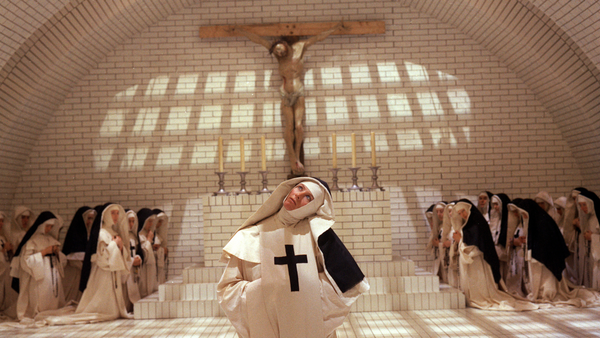
The movie opens with a splashy scene of Yakuza violence where two enforcers are punished by being forced to chop off their pinky fingers and then, in an apparently worse fate, having to go work in Normal. But Wheatley never follows through on keeping the tone at this heightened level. Instead, he seeks to drag it down into Fargo territory, missing how the Coen Brothers' wry absurdity fits nicely within the specificity of their Minnesota Nice noir. Naming Normal’s former sheriff “Gunderson” (the same name as the hero of Fargo) emphasizes the nod without recognizing why these are such different features. Fargo features a crime that gets out of hand, but not so outlandish that the film couldn’t put a title card at the front claiming it’s a true story (it’s not). Normal wants to blend a famous Japanese crime syndicate with a sleepy Midwestern town, and the outcome amounts to everyone trying to murder a handful of characters.
This might have worked if you never needed to buy anyone as a real person but an outlandish caricature. Unfortunately, Wheatley decides to mirror his British compatriot Edgar Wright by pulling a Hot Fuzz: these people are offbeat and ultimately selfish and criminal. But Wright had the wisdom to not only pull from Agatha Christie, but to also A) play up his antagonists as old and out of touch, which makes them even funnier; and B) keep the stakes laughably small with the bad guys seeking to win a coveted award for nicest village. Wright understands the comic juxtaposition in a way that Wheatley doesn’t, as Wheatley appears to think that violence in and of itself can be funny.
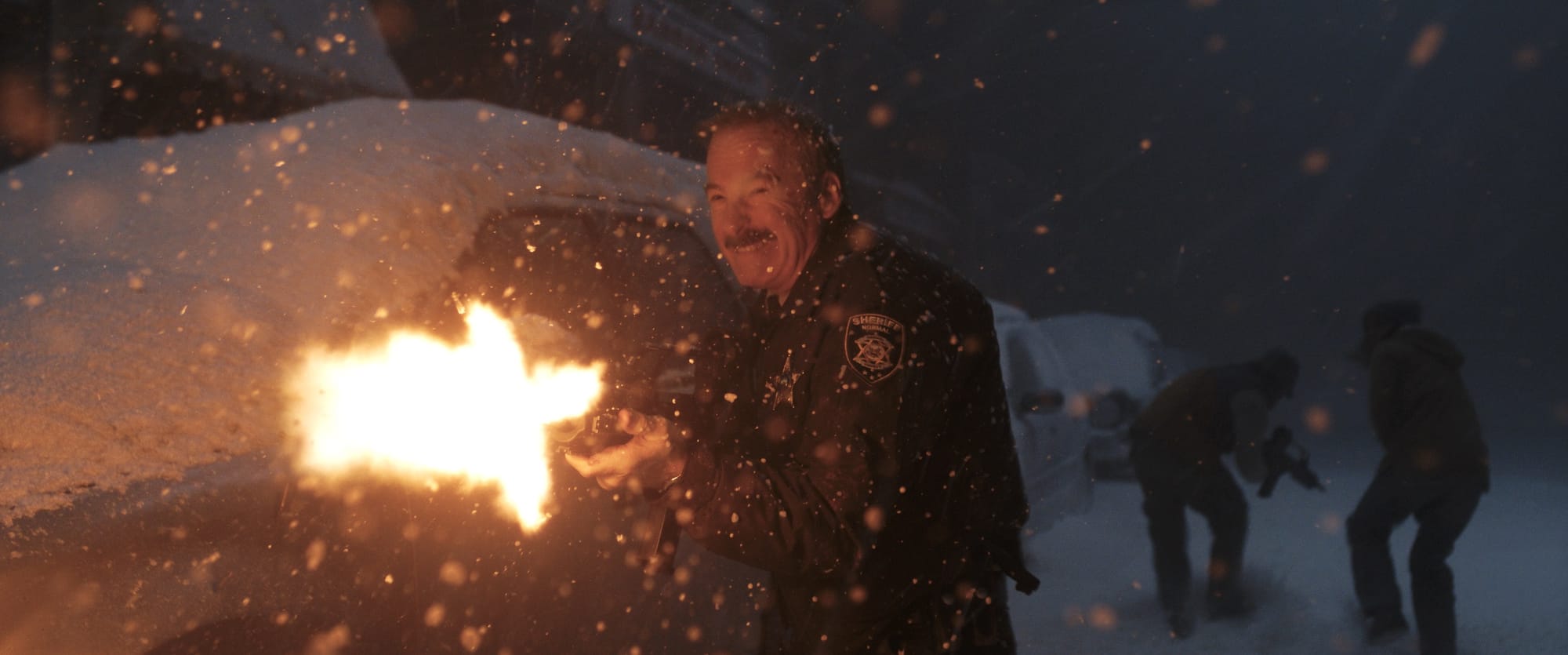
But it matters who’s pulling the trigger. Wheatley got that in his 2016 movie Free Fire, where it’s basically a 90-minute gag of criminals shooting each other but not dying quickly. However, the setting of Normal wants to position everyone in town as a soulless, murderous thug trying to keep a small town afloat with Yakuza money. Setting aside the outlandishness that an entire town can keep this secret (Hot Fuzz clearly delineates the dozen or so residents who are in on the crime; in Normal, it appears to be 99% of the town), Wheatley and Kolstad erase the humanity from everyone aside from Ulysses, the robbers, and the late sheriff’s child, Alex (Jess McLeod). The entire first act is spent with Ulysses getting to know the citizens, only for those citizens to try to kill him in the second act. He kills them instead, and it’s all in gruesome fashion. In the world of John Wick, this logic works because all the characters are assassins or work in the assassin business. In Normal, the guy who works at the hardware store and the mailman are as likely to kill you as the Yakuza.
The Wick movies know that style and setting cover up any gaps in characterization or logic. Those movies know what they are, they do what they do very well, and they keep their action contained in a fictionalized subset of the world that’s rendered with thoughtful specificity. Normal is everyone killing everyone, and that’s boring because not only is Wheatley not a great director of action set pieces, but he plays everything as too “real” to capture the bombast of the script. “We’re working with the Yakuza” should have been the tip-off, but Wheatley shoots Ulysses stabbing out a guy’s eyeball with the same dismal composition and color that the Coens intentionally used to depict pathetic car salesman Jerry Lundegaard in Fargo.
Odenkirk and Kolstad seem to enjoy making these violent escapades together, taking Odenkirk’s mild-mannered affect and then cranking up the bloodshed. But even last year’s Nobody 2 showed that concept was running on fumes, and it doesn’t get any better if the director doesn’t seem to be on the same page as his screenwriter and star. What we’re left with is a dark comic actioner that recalls far better movies and yet doesn’t seem to understand why they worked was for reasons beyond a high body count.
Normal opens in theaters nationwide on April 17th.