‘Once Upon a Time in Harlem’ Is a Captivating and Vital Document of American Culture
William Greaves and his children David and Liana Greaves compile a stunning snapshot of the conflicts and necessities of a cultural movement.

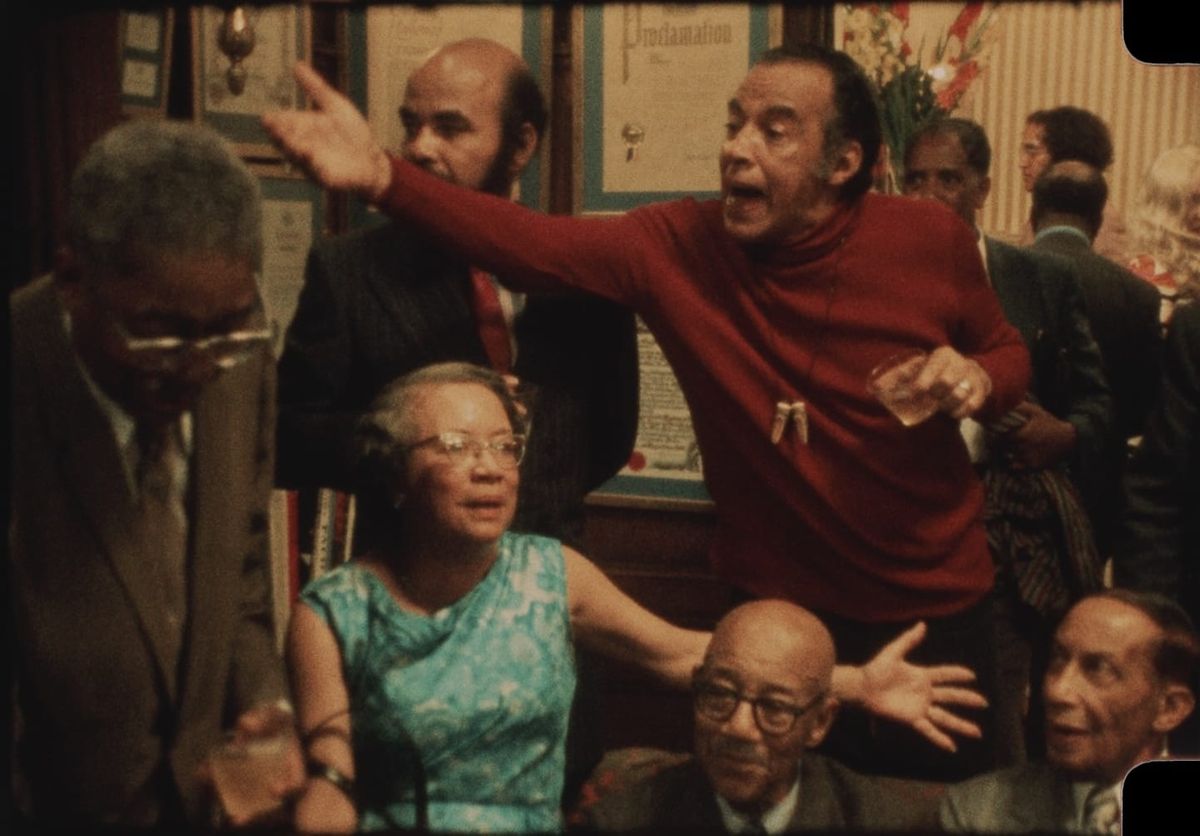
If I ever had to answer the question, “What is culture?” I could do worse than pointing to the documentary Once Upon a Time in Harlem. Shot by filmmaker William Greaves in 1972 and now released a decade after his death thanks to the work of his widow and creative partner Louise Archambault Greaves (who passed away in 2023) and their children David (who serves as co-director) and Liana (who co-produces with editor Anne De Mare), this footage represents an essential understanding of the Harlem Renaissance from those who made it. Rather than easy veneration, Once Upon a Time in Harlem dives into the conflicts and unexpected relationships that brought art to life, and unpacks its legacy not in solemn tones, but with the vivacity of veterans recounting war stories to each other. This unique project grants audiences the benefit of hindsight with the immediacy of hearing these voices in the same room.
In the summer of 1972, Greaves invited living luminaries of the Harlem Renaissance to gather and reminisce at Duke Ellington’s Harlem townhouse. Among them were painter Aaron Douglas, composer Eubie Blake, photographer James Van Der Zee, poet Arna Bonetempts, painter Romare Bearden, actor Leigh Whipper, librarians Jean Blackwell Huston and Regina Anderson, society editor Gerri Major, historians Nathan Huggins and John Henrick Clarke, and more. These figures speak to not only their contributions and those of others, but also to those who had passed on, including Langston Hughes, Zora Neale Hurston, Marcus Garvey, and Paul Robeson, to name a few. As Greaves captures and questions his subjects, we gain a fuller understanding of the Harlem Renaissance and what it means to create an artistic legacy.
The sharpest thing Greaves did here (and what the editing carries through) is not trying to make it organized. We have the benefit of organizing the past, but Greaves wants to create the mess and conversation of the salon, replicating the dynamic that likely played out in other Harlem homes during the 1920s. It would perhaps be easier to simply ask subjects to come in, answer some questions in front of a backdrop, and cut it together with old photos, but that would never approach the vivacity of these creative individuals that still burns in their old age. There are times when you settle into the rhythm of an elderly person recounting a story, but Greaves never misses the pop of their creativity, like a good zinger or, in the case of Whipper, the majesty of him being able to perform full monologues from roles he played decades ago.
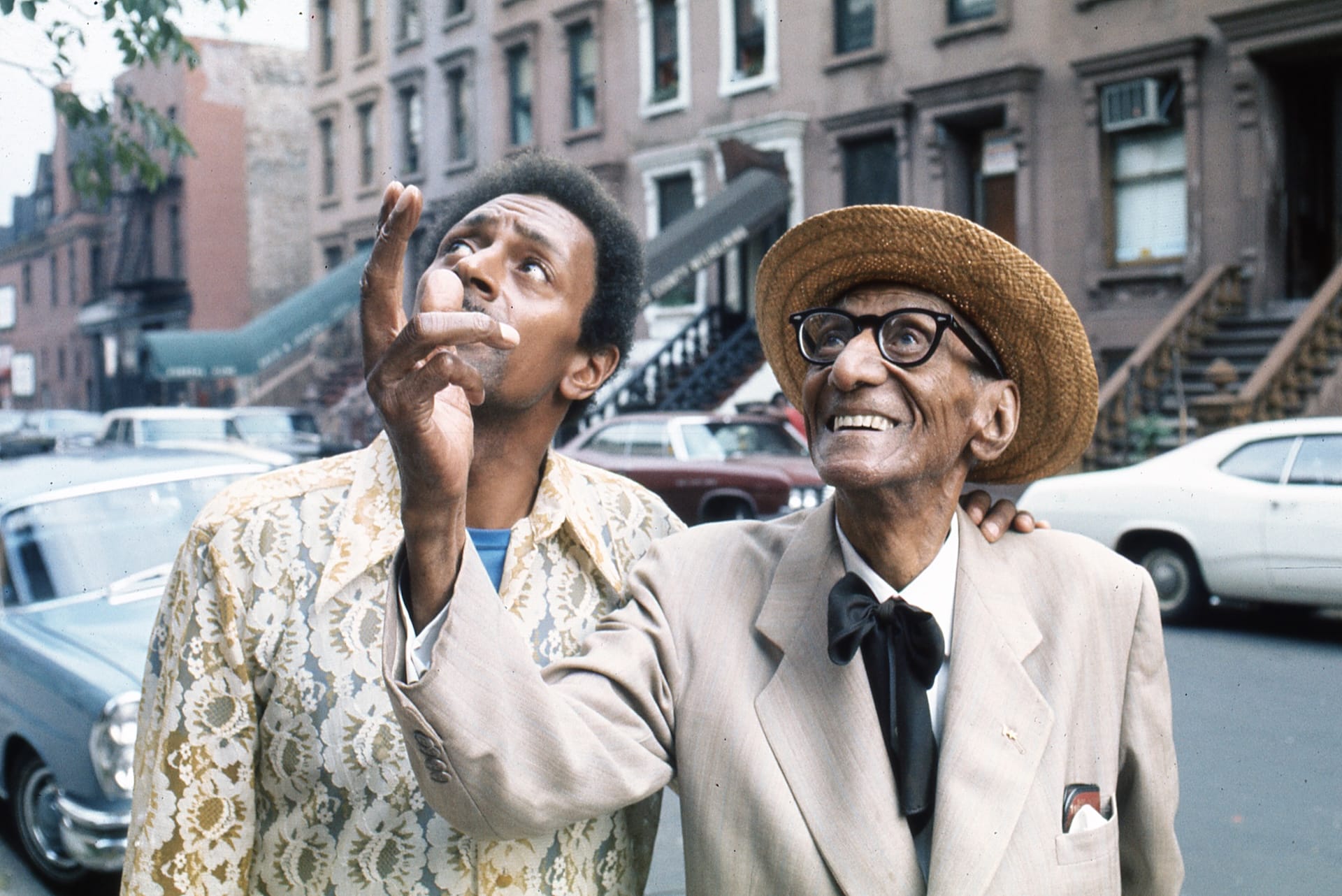
Greaves also ensured that he didn’t only include creatives, but also the surrounding figures who encouraged and made creativity possible. A collection of musicians, actors, painters, etc. would certainly be worthwhile, but adding historians, journalists, activists, and librarians enriches the proceedings. We can see that these figures didn’t emerge from whole cloth, but rather that the relative economic and political stability of the time for the residents of Harlem provided those artists with the freedom to create. You could probably do an entire movie on the influence of Casper Holstein, a “gangster philanthropist” who ran the numbers game but funneled money to creatives in his community.
David and Liana Greaves wisely keep all the action contemporary, never breaking the illusion that we are either in 1972 or being transported back to the Renaissance via Van Der Zee’s stunning photography or footage from the time. They know that the words of these people still speak across the decades, and there’s no need for a present-day figure to opine on what Greaves and his crew captured. The whole point of the film is how, despite their age, what these people created has never slowed down. It lives in Greaves, it lives in his children, and it will live on through any people given the freedom to create. More importantly, that “freedom” is not some abstract concept, but it is material—you need the political and financial resources that allow artists to enrich their community and, in the case of the Harlem Renaissance, enrich America.
I do wonder what this film would have looked like had Greaves released it himself in the 1970s rather than having it sit in storage (although it’s stunning how good this 16mm footage looks in the finished feature). I would like to think that audiences of that time would also appreciate it, but like a fine wine, these conversations have only grown better with age. We feel the bridge not only to the 1920s but to the 1970s, and what we have is almost a century of work between Greaves and his subject to convey the importance of Black art and how essential it is to understand the American landscape. Once Upon a Time in Harlem leaves us with not only a greater grasp of the Harlem Renaissance, but also how it echoes across the generations, losing none of its timbre or resonance in this essential documentary.
Once Upon a Time in Harlem is now playing in theaters in limited release.