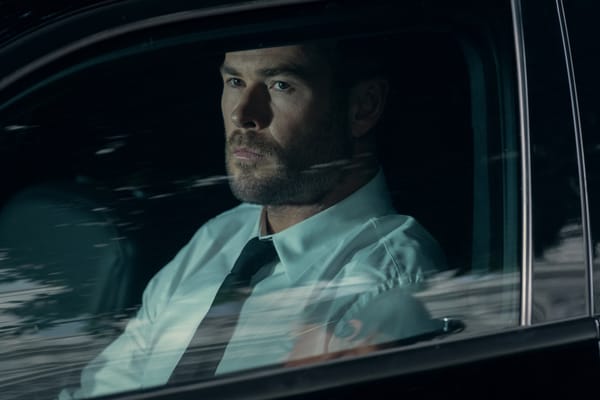
Top 10 Films of 2025
Hollywood may be in trouble, but the movies aren’t.

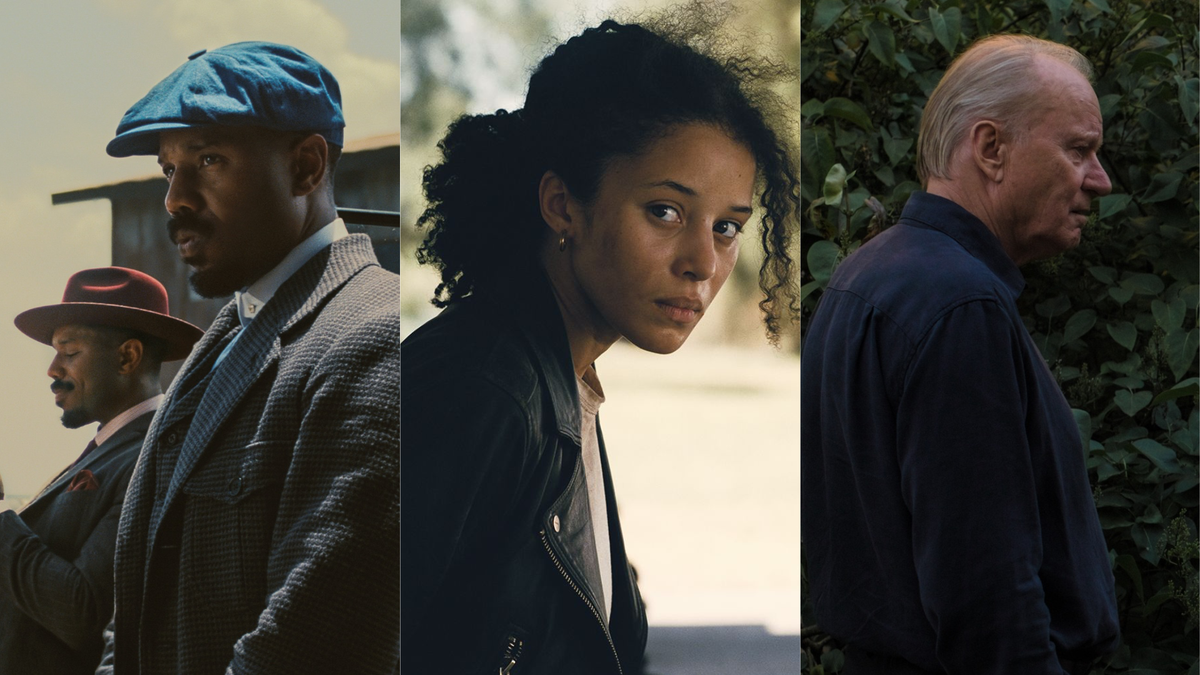
There’s a prevailing sense of gloom over the American filmmaking industry. Consolidation leaves fewer places for producers to make movies, which in turn leaves fewer films to make overall. The cost of living for those in the industry has become dire, with the countless craftspeople who labor behind the camera left with fewer opportunities in the Los Angeles area as productions seek the best tax incentives possible in other states or other countries. And even if you can get a movie made, it may end up on streaming, where it will exist as “content” rather than a work of art that the studio will back with print and advertising costs. And if this wasn’t enough, audiences are breaking up with theaters. Some of this is self-inflicted, like the cost of movie tickets, onerous screening demands made by the studios, and theatrical windows so abbreviated that viewers prefer to wait a few weeks and see the latest releases in the comfort of their own homes.
One can look at all this and say, “Movies are dying,” but such a Hollywood-centric view misses not only the films that were successfully made within the system, but also how many filmmakers, especially in countries outside the United States, are thriving. 2025 was a banner year for foreign cinema, and as distributors like NEON and Janus work to bring international movies closer to U.S. audiences, we will continue to see great works of art from our most exciting filmmakers. There’s no easy answer for whether we can repair what’s been broken in Hollywood, but there are still exciting pictures that demand to be seen and speak to our fears and hopes.
There were plenty of great films in 2025, and here are my top ten.
10.) Companion

I saw this one all the way back in January, and I still can’t wrap my head around why Warner Bros. didn’t even bother to screen this sneaky piece of horror sci-fi for critics. But Drew Hancock’s debut feature was well worth the price of admission as he slowly unwound a compelling mystery that took dead aim at how some men can only understand love as a form of domination and abuse. Although we got a bit of this a decade ago with the brilliant Ex Machina, the splash of dark comedy that permeates all of Companion gives the movie a life of its own, and Hancock skillfully finds the balance between tech satire and broken love stories.
Click here for my full article on Companion.
9.) Eephus
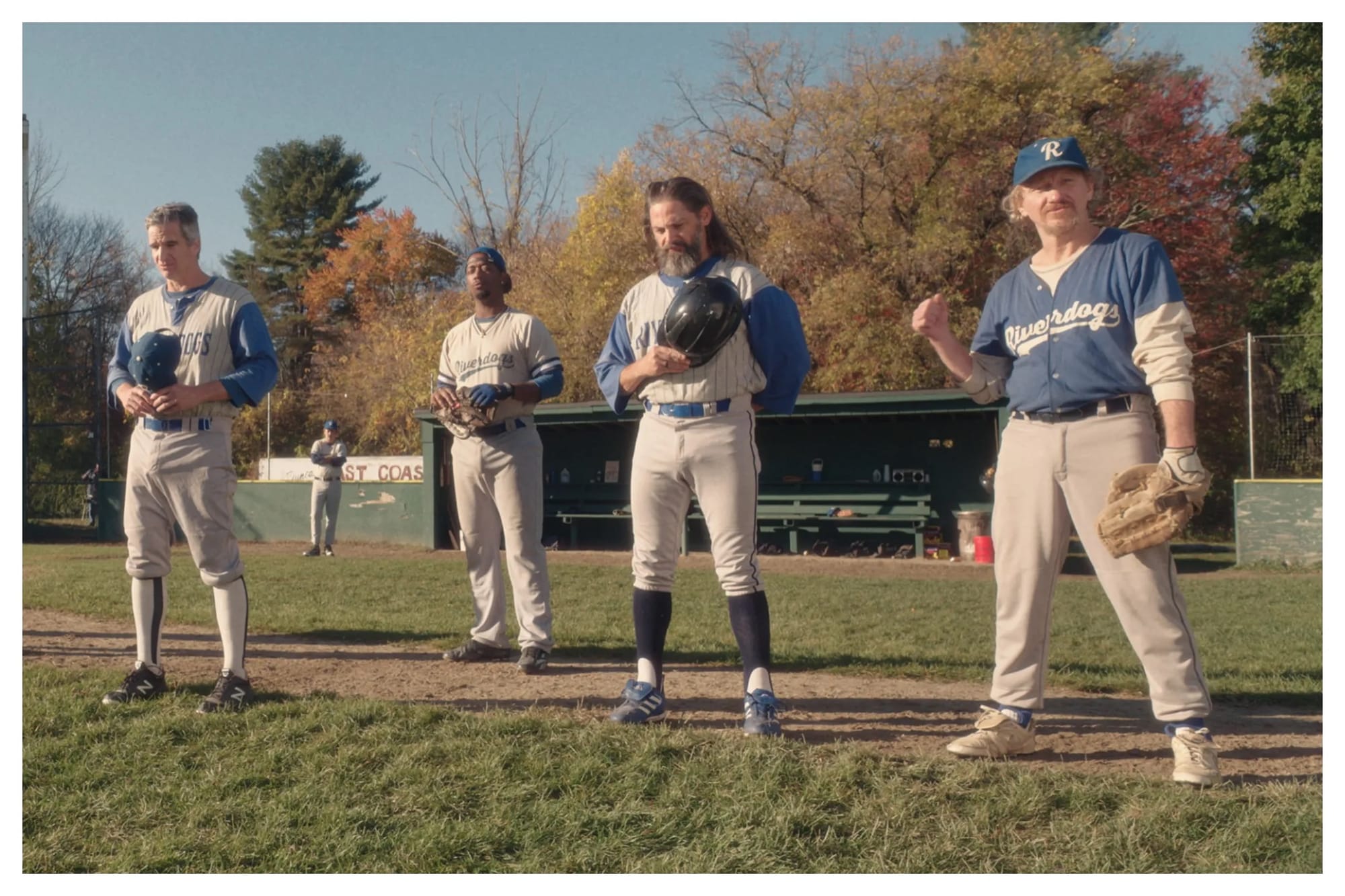
For true baseball fans only. It’s been a minute since audiences got a truly great baseball movie, but Eephus relishes the slow, idiosyncratic nature of the game, removed from the stakes of winning or losing. The film follows a group of guys playing in the final game of their amateur league before the field is demolished to make way for a school. Relying on a cast of mostly unknown actors, we’re able to easily sink into the rhythm and unique qualities of this world as the guys try to keep the game going through sore arms, late arrivals, grouchy umpires, and questionable strike zones. Those who have never sparked to the game may find Eephus perplexing, but anyone who has enjoyed a day at the ballpark will likely find plenty to love in Carson Lund’s singular debut.
8.) Sentimental Value

It’s easy to compare Joachim Trier’s drama to Noah Baumbach’s Jay Kelly since they both center on people in the film industry who are plagued with regrets over how they pursued a career over family. However, this broad description ignores the specificity of both movies and, in particular, misses how parents and children can miss each other’s pain. We’d like to think that each generation is an attempt to perhaps repair what went wrong in the past, but instead, what we get are new wounds to remind us of old scars. Stellan Skarsgård gives one of the best performances of his long career as Gustav Borg, an acclaimed director finally trying to come to grips with the depression he saw in his mother and the emotional harm he caused his daughter Nora (Renate Reinsve). It’s a movie of deep emotional anguish that never feels exploitative or cheap but rather shows its characters a tremendous amount of grace as they wonder if reconciliation is possible after lifetimes of guilt and recriminations. The film also features possibly the greatest gag of the year when Gustav decides on which movies to gift his 8-year-old grandson.
7.) Blue Moon

2025 saw multiple stories about sweaty strivers who can’t seem to disentangle their resentments from their egos. Sometimes these were delusional failures like Charles Guiteau (Matthew Macfadyen) in Death by Lightning, and other times they were guys who couldn’t get out of their own way like Marty Mauser (Timothée Chalamet) in Marty Supreme. But Ethan Hawke’s turn as Lorenz Hart far surpasses them all as he taps into the deep well of sadness at the core of a man who knows he’s about to be erased from history. As much impact as Rogers & Hart made together, on the opening night of Oklahoma! (or “Oklahoma with an exclamation point,” as Hart derisively refers to it), he knows that he’ll be forever eclipsed by Rogers & Hammerstein. Even when the film can be a little cute by having Hart cross paths with E.B. White or a young Stephen Sondheim, these are thematic tells of how Hart’s influence lives on despite his relative anonymity and ignominious demise. Everything in Hawke’s astounding performance screams out of a man wanting to be seen and yet revealing insecurities and pain so deep that it sometimes hurts to see the wounded individual beneath the eloquent bravado.
6.) Weapons
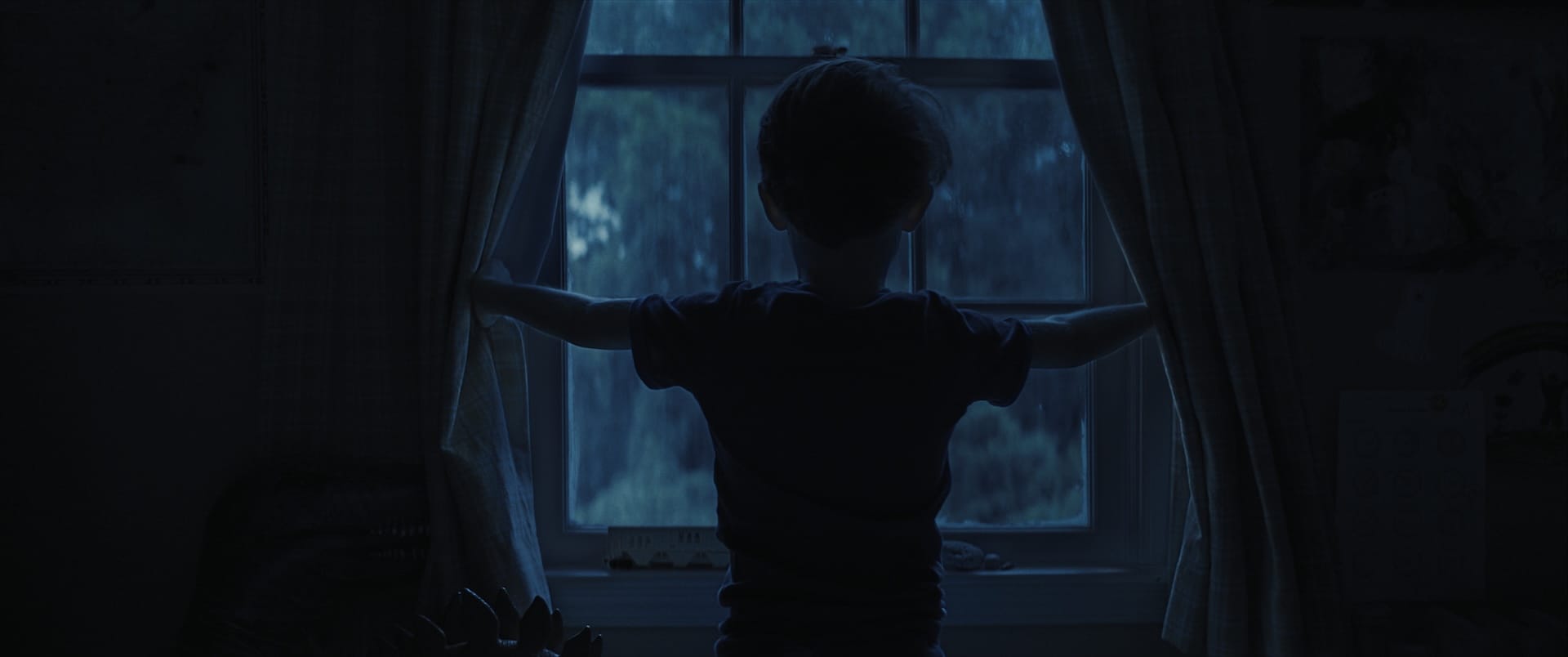
Writer-director Zach Cregger is operating at a different level right now. While 2025 had plenty of great horror films, Cregger plunged deep into the terror of our time by weaving it through the darkness of folklore. One of the persistent questions of American life right now is how we can allow so much suffering to affect children in their classrooms, and rather than making a straight polemic about gun violence, Cregger instead turns his attention to the selfishness of the community. If it takes a village to raise a child, then the village has abandoned its duties to pursue its own selfish desires, allowing true evil (in the form of Amy Madigan’s unforgettable Aunt Gladys) to slip in among them. Weapons terrifies not only due to its imagery and tone, but because it taps into the pervasive, unaddressed malevolence we see daily in American life.
Click here for my full article on Weapons.
5.) Train Dreams
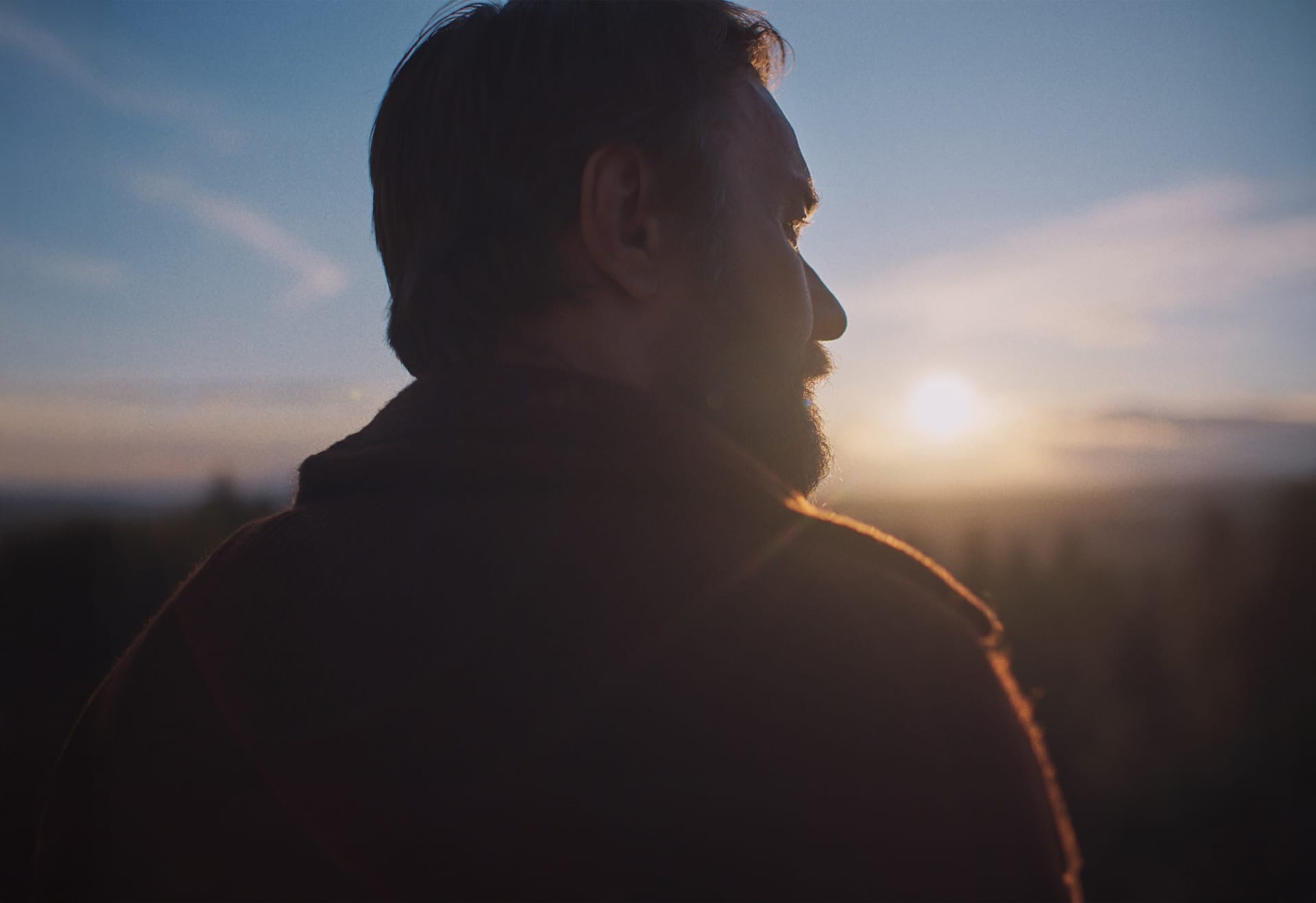
Perfectly elegiac, Train Dreams also feels immediate despite taking place at the turn of the 20th century and in a frontier that no longer exists. At a time when a portion of the country wishes to romanticize previous centuries of American life, Clint Bentley’s beautiful adaptation of Denis Johnson’s novella taps into the deep loneliness and longing beneath the mythic male. Joel Edgerton is magnetic as the quiet Robert Grainier, a man who seeks neither riches nor fame, but only to support himself and his family through the labor of logging and building railroads in Northwestern America. The movie dances on a tightrope, using Robert’s story to deconstruct ideas of American greatness, but never loses sight of him as an individual and the deep well of emotion beneath his still exterior. It’s a story that finds a bizarre beauty in the transience of life and nature, understanding that we’re all just passing through, but expressing that no one is insignificant.
Click here for my full article on Train Dreams.
4.) Sinners
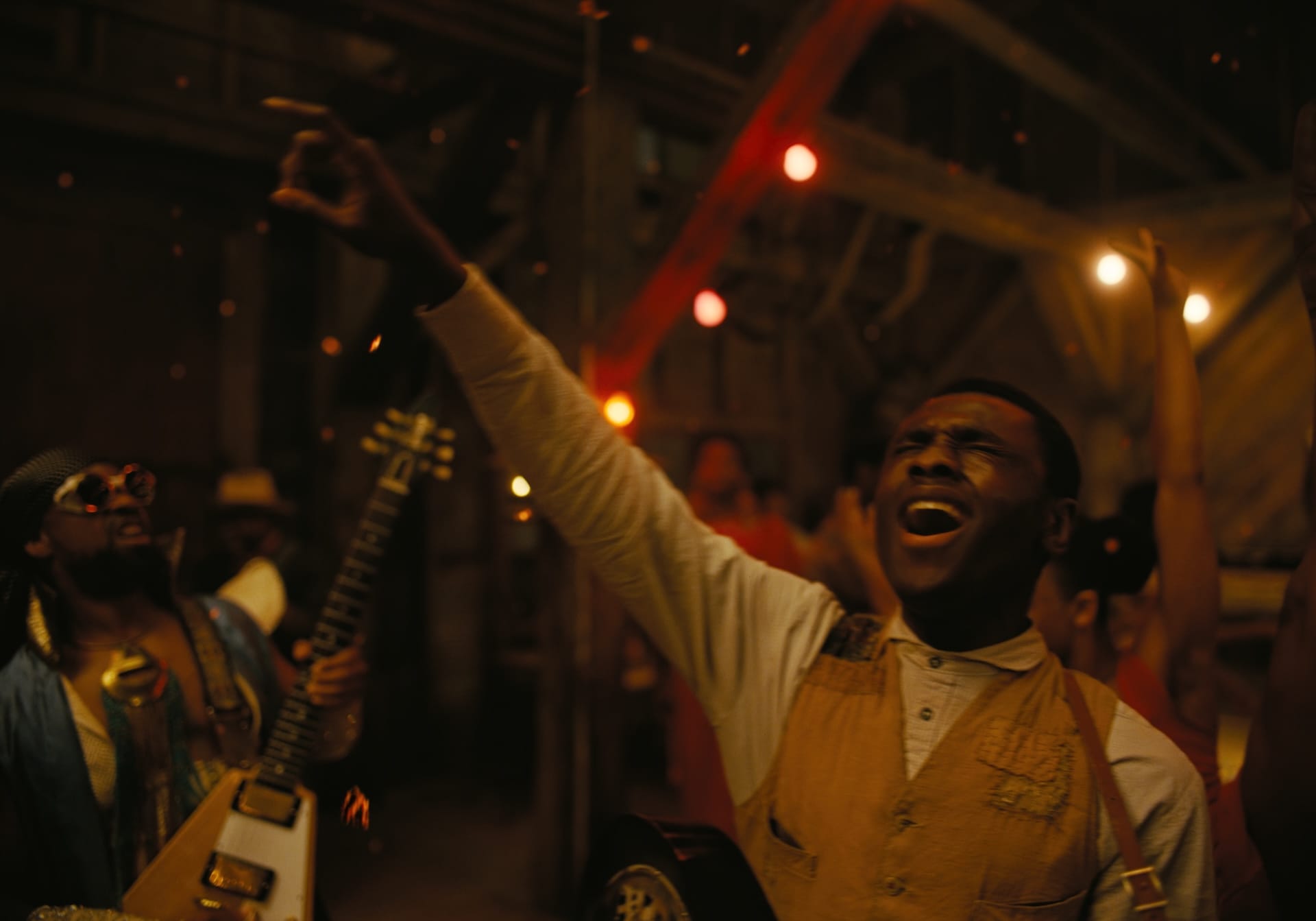
Ryan Coogler broke out with his feature Fruitvale Station, but then became a master of franchise filmmaking with the exciting Creed and Black Panther. He wisely used this clout to back a big, bold original feature, and the result is the exhilarating Sinners. One of the sharpest spins on vampire stories, the film relishes its Southern Gothic trappings to the point where you almost wish the vamps wouldn’t come along because we’re so invested in the personal drama of gangsters Smoke and Stack (Michael B. Jordan, casually being one of our most exciting actors). And yet that disruption serves the thematic point of how, for minority populations, there is no steady throughline. There are only a series of upheavals, and how you bear those scars is what will make your music shine through. Like the blues riffs running through the score and Sammie’s guitar, the pain finds its way to something beautiful.
Click here for my full article on Sinners.
3.) No Other Choice

Park Chan-wook has a wicked sense of humor, and it runs through the pitch-black dark comedy of No Other Choice. The film recognizes how we allow corporations to be sociopathic entities focused only on their own enrichment and propagation, and then just asks the natural follow-up: “Why is this good for corporations and bad for people?” The film speaks to the shifting morality of our anti-human times, where hustle culture is celebrated over any loyalty or integrity. We’ve hit some twisted kind of form of hyper-capitalism that’s both absurd and tragic, and through his lead performance, Lee Byung-hun conveys these ideas perfectly. For anyone who has had to suffer through extended unemployment, No Other Choice just plain works.
Click here for my full article on No Other Choice.
2.) It Was Just an Accident
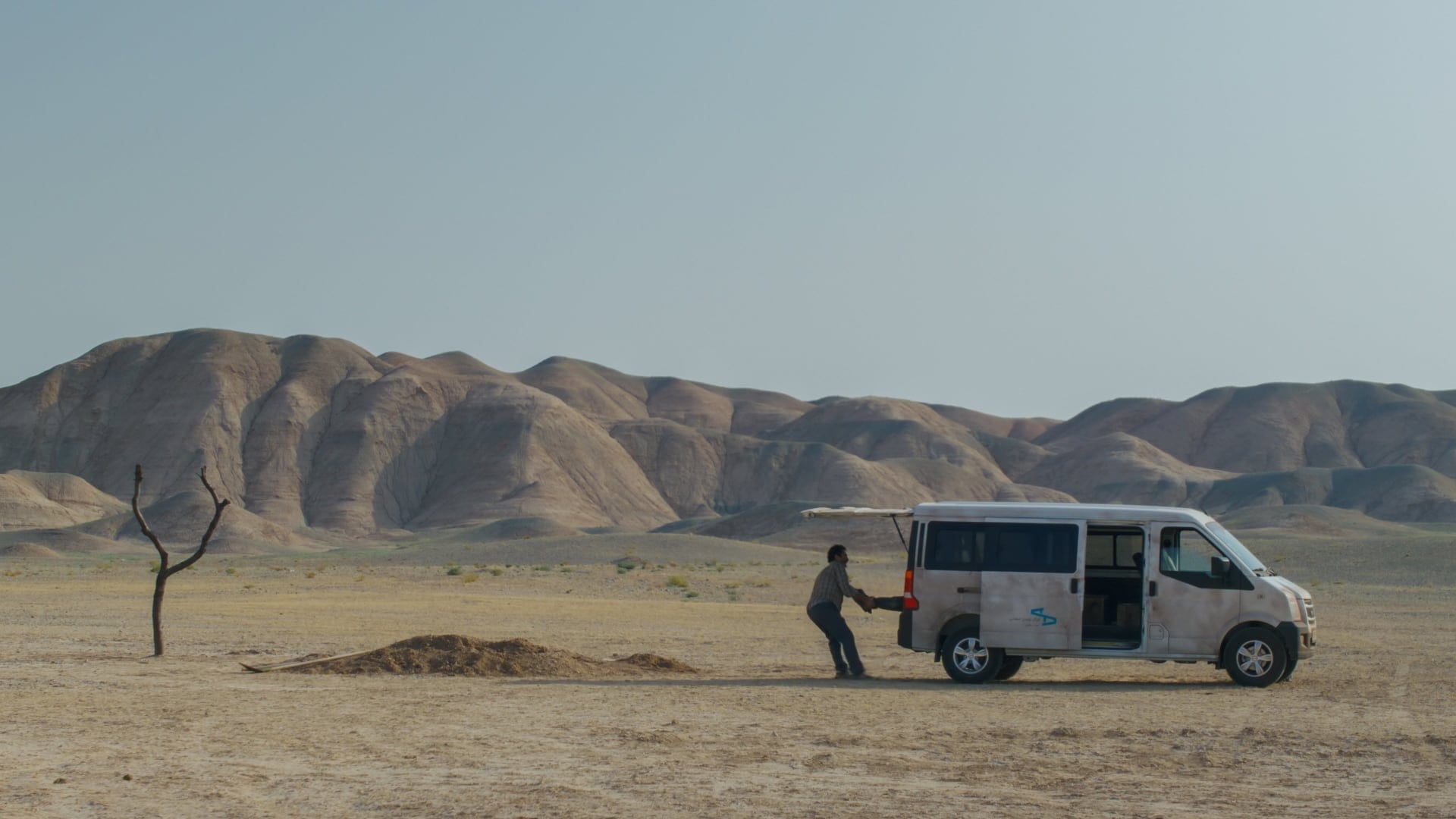
There are countless revenge films, but I can’t think of any aside from It Was Just an Accident, where the director suffered the same indignities as his vengeance-seeking characters. However, Jafar Panahi’s movie is far more than a simple reflection of the aftermath of his imprisonment. Instead, he uses his story to wrestle with the limitations of forgiveness, the ongoing presence of trauma, and how much we’re created by things far beyond our control. Coen-esque moments of criminal absurdity paired with dark reckonings of life in a totalitarian state make It Was Just an Accident an electrifying meditation on how we address the wrongs done to us and the thin line between justice and revenge when the law is little more than the remnants of a corrupt society. Perhaps the most remarkable aspect of the movie is that rather than resort to deep bitterness, Panahi remains thoughtful and introspective about the wrongs done to him and his fellow Iranians.
Click here for my full article on It Was Just an Accident.
1.) One Battle After Another
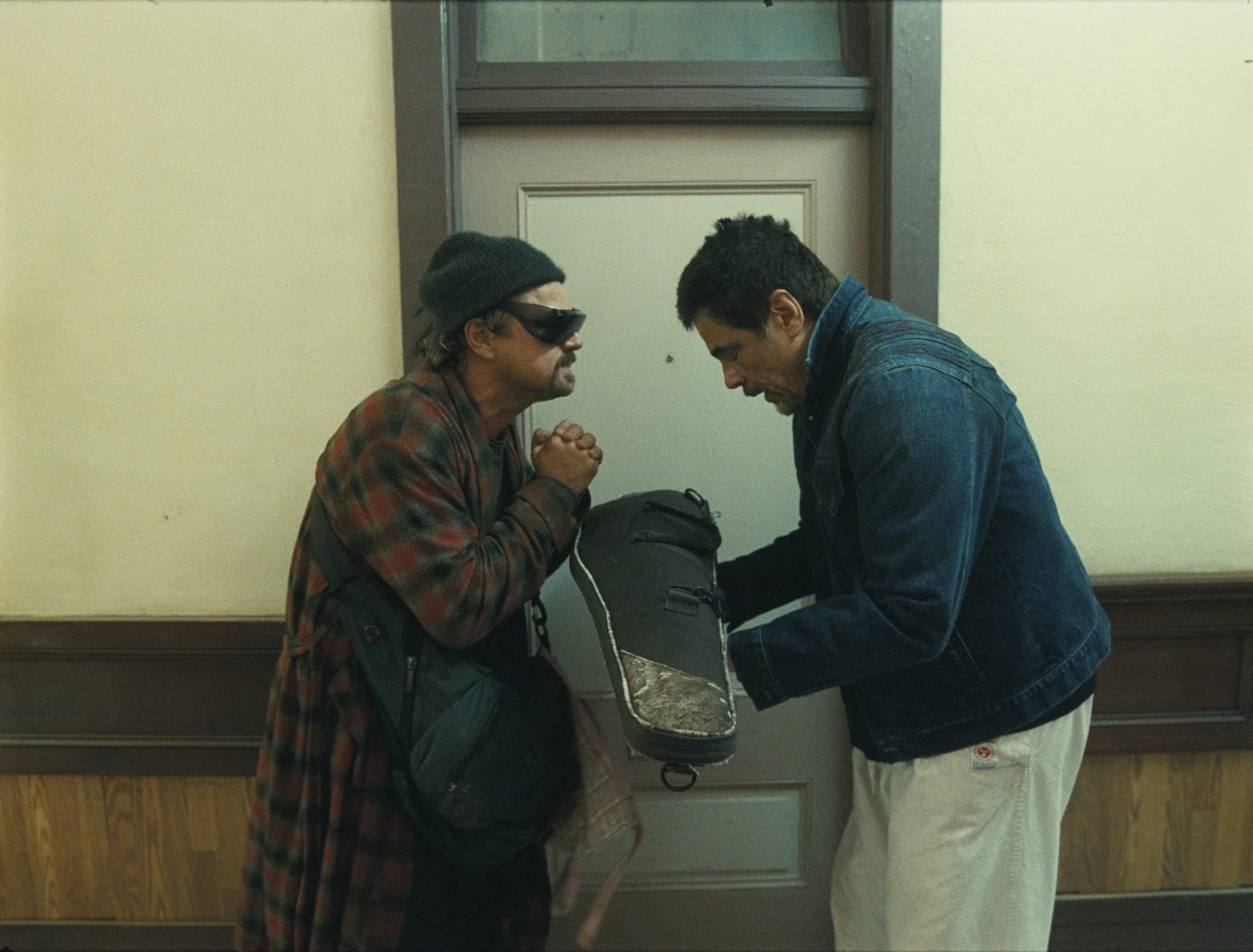
Usually, my #1 pick feels like a bit of an outlier among other lists, but I have to fall in line when picking Paul Thomas Anderson’s brilliant, funny, and oddly hopeful One Battle After Another. A movie that speaks to right now, as its opening minutes bring us to an immigrant detention center set in a U.S. that’s run by goofy fascists, Anderson comes right up to the line of just shrugging and saying, “lol nothing matters,” or trying to both-sides our current divisions. And then he wisely pulls back, interrogating not the politics so much as the motivations and what people think they’re fighting for. The film thrives in the tension between striving for larger ideals and the demands of our interpersonal relationships. Is the world we wish to create merely an expression of selfish desires, or can we create a community of solidarity beyond violent conflict?
It takes a deft vision to make a movie that’s so painfully funny about deadly serious times, and yet Anderson makes it look as easy as surfing the ocean waves of a desert road, understanding that we can’t beat back the tide nor retreat from it, yet somehow, we have to ride it all the same. It’s a movie that actively rejects nihilism and despair while still looking evil directly in its goonish face, latching onto how certain figures can be both buffoons yet wildly dangerous. At a time when it feels like doomerism and despondency are ascendant in the face of constant heartache and loss, One Battle After Another reminds us that a solitary existence of bitter recriminations won’t save us. We look ridiculous wallowing in our bathrobes, hiding from the world because we couldn’t bend it specifically to our ends. But maybe we’re not the ones we’ve been waiting for. Maybe it’s our job to build something better for the future and for others, and then take a step back. One Battle After Another interrogates tactics and stratagems for how we choose to engage with the world, but it wants to make sure we don’t give up the fight, and it certainly doesn’t want us to defeat ourselves. It asks us to stand in fellowship with the oppressed and then have a few small beers.
Click here for my full article on One Battle After Another.
Honorable Mentions (in alphabetical order): 28 Years Later, Black Bag, The Life of Chuck, Predators, Resurrection