‘You Had to Be There’ Revels in a Moment of a Comedy Kismet
Nick Davis' documentary about the comic luminaries in the 1972 Toronto production of ‘Godspell’ works best when acknowledging happy happenstance.

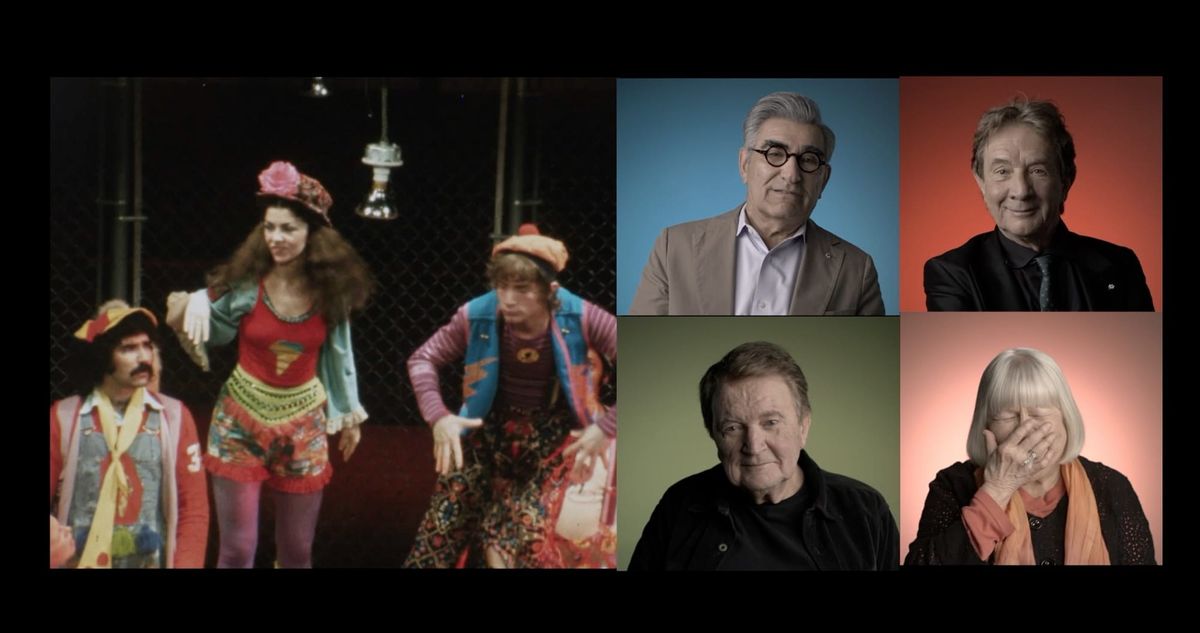
It would be nice to think that every good outcome is from thoughtful, careful preparation. But just as evil can arise from disaster, there are also times when joy can come from unexpected circumstances. That’s the case with (deep breath) You Had to Be There: How the Toronto Godspell Ignited the Comedy Revolution, Spread Love & Overalls, and Created a Community That Changed the World (in a Canadian Kind of Way), a title I will now shorten to “You Had to Be There” from here on. Nick Davis’ documentary endeavors to explain how this one Toronto cast of the 1972 production of Godspell gave us such future stars as Martin Short, Eugene Levy, Andrea Martin, Victor Garber, and Gilda Radner. These are some comedy all-stars, and yet they all began their careers in this one distinctly 1970s musical. While the movie explains why and how they came together, you leave with a sense of a happy accident and why it’s important to cherish those moments among the vagaries of fate.
In 1971, Godspell became a major success off Broadway, and so the producers set up productions in other major cities. Among them was Toronto, which didn’t have much of a comedy scene to speak of at the time, but was close enough to Buffalo, New York, to pick up variety shows and sitcoms from the U.S. Young people like Short, Levy, and others who were into that comedy then went to the auditions for Godspell and were cast. The Toronto production became a hit in part because the show encourages improvisation, and these people were so funny and good with the comic beats. The success of the show then helped propel them further in the comedy world, which was burgeoning thanks to Saturday Night Live and later SCTV, but not everyone got their name in lights or, in the case of Gilda Radner, lived to relish a long, fruitful career.
The central argument in the movie is that this particular cast was at the root of a comedy tree that blossomed into what we know today. When you think of how many great comedians have come out of Canada, and especially Toronto, this Godspell cast is the start of that revolution. But the film is careful to imply that this is more serendipity than anything else. It had to be a show like Godspell that allowed for comic riffing. It had to be in Toronto, which could pick up the comedy from American television. It had to be the producers and directors landing on these particular actors who had a sense of not only comedy’s past but its future. To put it another way, no single person purposefully moved Gilda Radner to Godspell other than Gilda Radner showing up for that audition and blowing everyone away with her talent. It just kind of worked out that way.
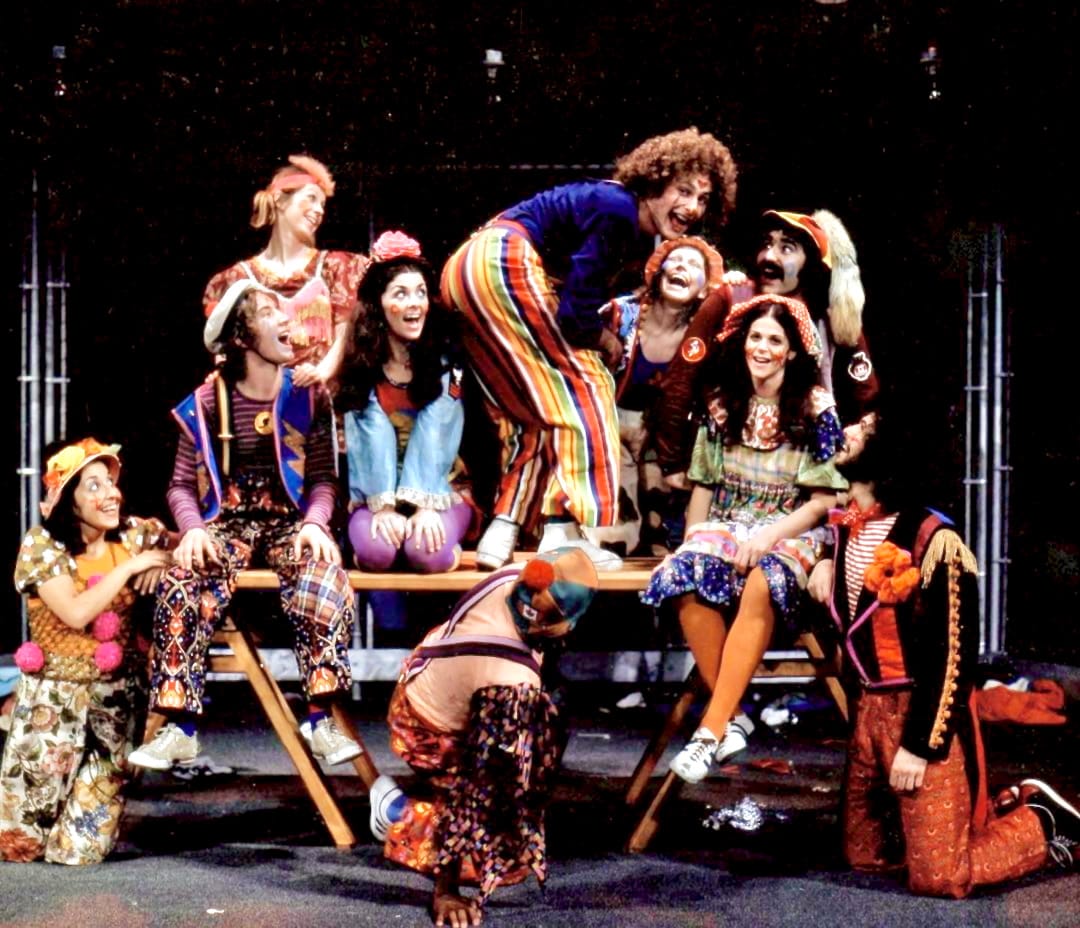
This can be unsatisfying for those who want to unpack the Godspell of it all or why Toronto was the city rather than New York, Chicago, or Los Angeles, which feels as random as anything else. Yes, the musical allowed the assembled cast to show their comedic chops, but Davis treats the musical itself, with its unique view of Christianity and the show’s legacy, as almost an afterthought. What matters to Davis are these particular people, and that leaves Godspell more in the background than an essential piece of this story. If Godspell had never come to Toronto and instead these people gathered at The Second City (as some did), then that’s where Davis would put his focus. But since Godspell came first, The Second City is seen as the outgrowth of this original Godspell cast since some of those members, like Levy and Martin, moved from Godspell to Second City.
Thankfully, there’s a bit of pathos to undergird all of this rather than just assembling a hodgepodge of beloved comic actors. Davis is wise to turn his attention not only to the big names like Martin, Levy, Martin, etc., but also to look towards other members like Jayne Eastwood, who became a big name in Canada, or Avril Chown, whose career didn’t take off for tragic reasons. There’s also the Gilda of it all, and the fundamental unfairness that she’s not here as one of the biggest comic icons in history because she died of cancer in 1989.
This all leaves the documentary with a necessary bittersweetness, and an understanding that long-term success as a performer depends not only on talent, but luck. And if we know that bad luck means some talented people don’t become stars, then we should at least cherish the good fortune when talented people create something wonderful, even if it’s as ephemeral as the theater.
You Had to Be There is now playing in limited release and opens at the Tara Theater in Atlanta on September 25.